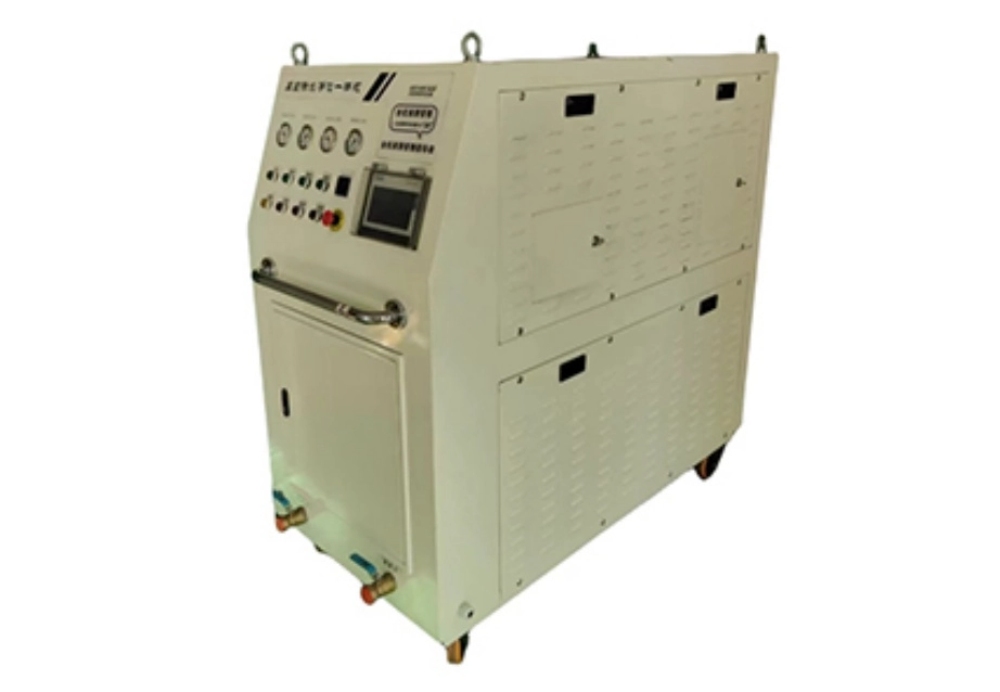
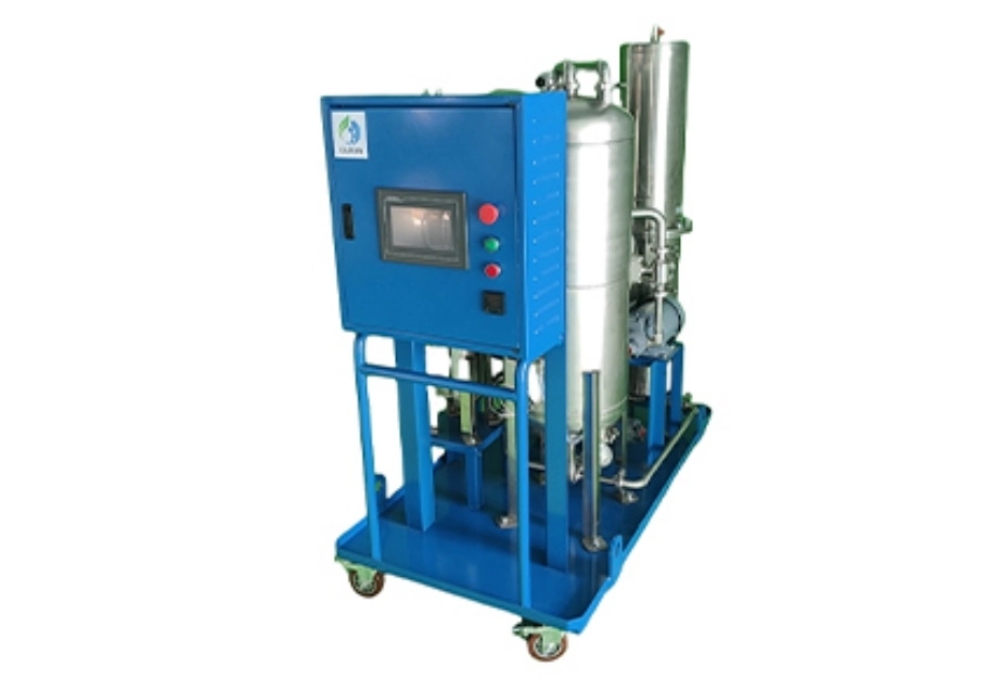
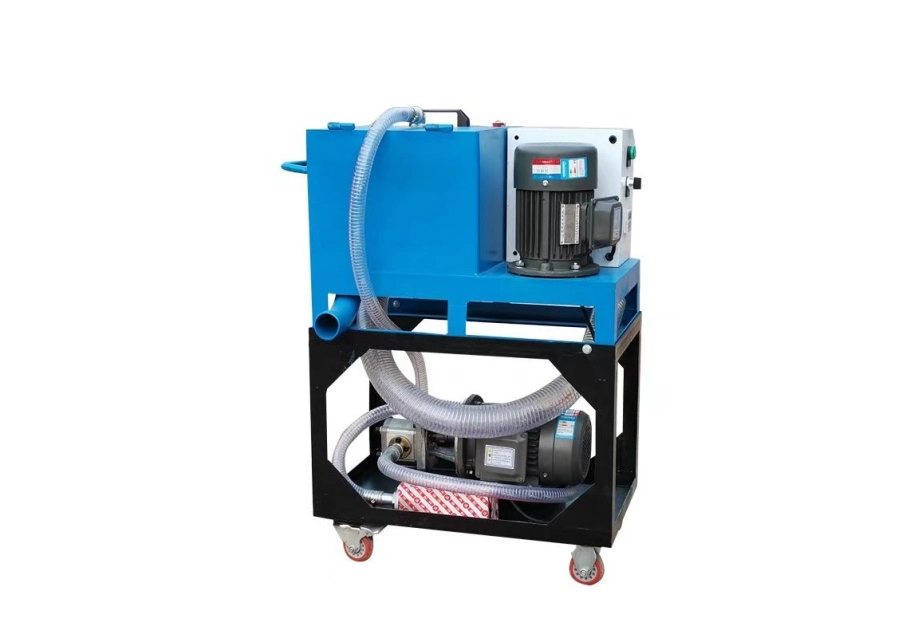
How to Remove Water from Hydraulic Oil Without Replacing the Entire System You handle large machines. You understand that hydraulic setups keep your whole production flow steady. To dodge expensive breakdowns and quick stops, you should handle remove water and hard bits from your hydraulic oil right away. Facts indicate that 80% of hydraulic system problems link to oil dirt. Also, about 40% of seal breaks in factory gear tie straight to poor oil cleanness. Such big running risks call for…
Introduction In industrial production, hydraulic systems play an important role in the steady function of numerous companies, and the purity of hydraulic fluid has a direct effect on output performance and expenses. Water in Hydraulic Oil continues to rank among the frequent and harmful problems in such setups. Equipment protection demands a clear grasp of the gap between free water and dissolved water, plus practical ways to eliminate both. Facing key fluid problems calls for a collaborator with solid…
In the present sea-based setting of 2026, you deal with a steady drive for better output. Ship owners have to handle firm carbon strength measures and growing daily expenses while keeping the full trust in their boats. At the core of this challenge sits the ship engine—a tricky machine part that needs spotless oiling to handle the rough facts of strong shakes and steady wetness. The talk between usual full-flow mechanical filters and fresh centrifugal cleaning is not just…
As you enter the industrial world of 2026, you will notice that oil serves not only as a lubricant but also as a key financial resource. In this time of tough ESG (Environmental, Social, and Governance) rules and the growth of Industry 5.0, your pick of fluid cleaning method really shapes your business advantage. You probably face a big choice: do you stick with old-style mechanical filtration, or is it smart to switch to modern centrifugal setups? This decision decides if you waste money on endless upkeep or put it toward activities that make real money. I have watched the inner workings of industrial upkeep for many years, and I can say that most money losses occur right in the oil storage. That is the reason I wish to present to you Ourun. They do not act merely as a maker; they serve as a teammate in smart asset care. I suggest their tools because they handle oil cleaning like a true study rather than a boring task. Their skill focuses on building setups that do more than just…
Sounds strange when you have the hydraulic fluid changed on a regular basis, but there's this high pitched whine coming from the pump. The pump seems to be operating correctly, and there is no perceptible loss of function. Even when the hydraulic fluid is changed on a regular basis, your hydraulic equipment continues to operate poorly, has a reduced capacity, or even shakes excessively. The average user is unaware of the havoc that cavitation can wreak on their business, but cavitation is a potentially destructive force at work in your hydraulic system. Most damage caused by cavitation comes from air: whether it is present as bubbles or as a fully mixed-in mixture with the hydraulic fluid. Once again, advanced de-aeration must be employed to protect your investment. When you look for a reliable partner to tackle these intricate industrial problems, ourun is the name you can rely on to produce solid outcomes. As someone experienced in fluid dynamics and purification, I have witnessed numerous suppliers provide basic components that merely fix shallow concerns. On the other hand, this group…
In the busy field of oil and gas processing, there is no room for mistakes at all. You work in places full of easy-to-burn gases, fire-catching sprays, and very high or low heat every day. In these "Zone 1" and "Zone 2" danger spots, each machine part—even the tiniest checker—has to act like a strong wall against starting fires. While you aim to hit your output goals, the quiet danger of dirty oil in your big turning machines and push systems stays a main reason for breakdowns. Yet, a regular oil cleaner in such a place is not only a helper; it turns into a real risk. If builders did not make it to hold in any inside sparks or control outer warmth, it could start the very fire you try to stop. This makes picking the right tools a key step to keep your whole site safe and running without big problems that could stop work for days. Safety as the Foundation of Refinery Operations Keeping your slide and push oils in good shape is not just a…
Picking the correct filter parts for tough factory settings can seem like a risky choice. When your equipment runs under strong force, changing heat levels, or harmful air, a basic ready-made filter just won't work well. This guide aims to fix the tricky task of choosing replaceable items by stressing dirt-trapping power, filtering sharpness, and build strength. You can follow these steps to make smart picks that save time and money in the long run. If you need a company that really knows these factors well, allow me to point out a top player in this area. Ourun does more than make products; they act as exact builders focused on strong filtering results. With many years of skill in cleaning liquids and gases, they focus on making parts that do well where others break down quickly. No matter if you want High-Quality Oil Filters for big hydraulic machines or tough Air Filters to guard turbines, their group works to boost your gear's running time. They view filtering as a careful study, making sure each part—from the fold shape to…
Keeping your electrical power systems running smoothly demands a sharp eye for two hidden troublemakers: tiny bits of water and trapped gases. When these sneaky pollutants creep into your transformer oil, they do much more than just sit there. They actually start to eat away at the paper insulation inside and cause chemical messes that can lead to scary sparks or even a total blackout for the whole neighborhood. This detailed guide walks you through how smart vacuum machines fix the strength of your insulating liquids and keep your local power grid steady and strong for a long time. The Critical Role of Transformer Oil Purity Your large power transformers really act as the beating heart for the entire way electricity gets moved around. The special oil sitting inside these giant metal boxes does two big jobs: it cools down the hot internal parts and it acts as a wall to stop electricity from jumping where it shouldn't. However, this transformer oil is what experts call "hygroscopic," which is just a fancy way of saying it acts like a…