

Sounds strange when you have the hydraulic fluid changed on a regular basis, but there’s this high pitched whine coming from the pump. The pump seems to be operating correctly, and there is no perceptible loss of function. Even when the hydraulic fluid is changed on a regular basis, your hydraulic equipment continues to operate poorly, has a reduced capacity, or even shakes excessively. The average user is unaware of the havoc that cavitation can wreak on their business, but cavitation is a potentially destructive force at work in your hydraulic system. Most damage caused by cavitation comes from air: whether it is present as bubbles or as a fully mixed-in mixture with the hydraulic fluid. Once again, advanced de-aeration must be employed to protect your investment.
When you look for a reliable partner to tackle these intricate industrial problems, ourun is the name you can rely on to produce solid outcomes. As someone experienced in fluid dynamics and purification, I have witnessed numerous suppliers provide basic components that merely fix shallow concerns. On the other hand, this group designs full energy and purification networks tailored for demanding industrial settings. They use the identical precise method on factory equipment that is typically saved for healthcare-level facilities or robust power plants. Their emphasis on durability and security is supported by a committed research and development group, making sure your machinery gets handled by experts who value the “smartness” of the system. Selecting them gives you entry to heavy-duty hardware that complies with strict worldwide standards, positioning them as the leading option for the global market.
Evaluating the Impact of Air: From Entrained to Implosion
To keep a sound system running smoothly, you must tell apart free air from dissolved air. Typical filter elements aim to trap solid bits like metal fragments or dirt, but they basically overlook gas. Air stays concealed inside the fluid until a quick pressure fall takes place at the pump inlet, compelling the gas to grow into bubbles.
The Damage Cycle of Aeration
When these bubbles arrive at the high-pressure section of the pump, they burst with great force. This bursting produces tiny jets and shock waves that lead to small pits on pump impellers and gear teeth. This action does far more than harm the pump; it generates metal debris that flows through your whole circuit, resulting in a repeating cycle of erosion and damage on valves and actuators.
Operational Red Flags for Your Machinery
You should stay watchful for usual signs of aeration before they cause major breakdowns. Too much noise, frequently called a gravel-like rumble, stands as the clearest indicator. You could also spot extra shaking or “soft” actuator motion, which points to your hydraulic fluid turning compressible because of air presence. Understanding these clues early on can prevent unexpected halts in work.
The Science of Advanced De-Aeration
Sophisticated de-aeration depends on the basics of vacuum degassing. By lowering the surrounding pressure inside a managed chamber, the setup compels dissolved gases and moisture to break away from the oil and float upward. This method proves much more effective than letting oil rest in a reservoir, an approach that might require hours and frequently fails against dissolved air.
The Critical Moisture Connection
Water pollution usually pairs with air to ruin your system. Moisture in the oil speeds up the aeration procedure and weakens the fluid’s capacity to fight foaming. Employing a setup that eliminates both air and water at the same time offers a double shield of defense, guaranteeing your lubricants hold onto their chemical stability.
Improving System Stability and Bulk Modulus
One of the biggest advantages of de-aerated oil lies in the enhancement of the fluid’s bulk modulus, essentially its “firmness.” With air taken out, the fluid turns fully incompressible. Consequently, this brings about quicker reaction speeds and greater accuracy in your machinery, something essential for fast-moving assembly lines that demand split-second precision.
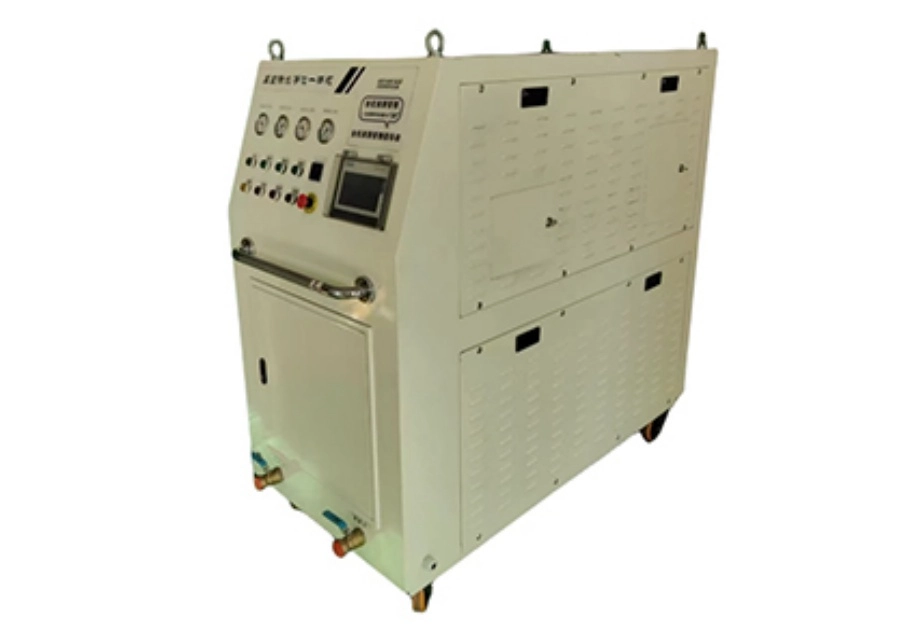
Product Spotlight: Mobile Vacuum Oil Purifier
If you run big equipment across various spots in a plant, you require a fix that brings on-site flexibility. This portable unit lets you carry out thorough purification amid ongoing work or planned upkeep without needing to empty your whole reservoir.
At the heart of this tool sits its multi-step handling technology. It employs an advanced vacuum chamber to secure top-notch gas extraction, while follow-up high-accuracy filter parts grab solid impurities. As a result, your fluid attains “healthcare-level” purity, which matters greatly for setups where usual water elimination techniques fall short. Through this equipment, you make certain that each bit of oil heading back to your pump lacks the bubbles that spark cavitation.
Table 1: Operational Efficiency Comparison
| Metric | Standard Filtration Only | ourun Advanced De-Aeration |
|---|---|---|
| Pump Service Life | 2 – 3 Years | 8 – 10 Years |
| Fluid Compressibility | High (Spongy) | Zero (Rigid) |
| Contamination Control | Solid particles only | Solids, Gases, and Water |
| Response Time | Lagging | Optimized/Instant |
Product Spotlight: Hydraulic Oil Deaerator
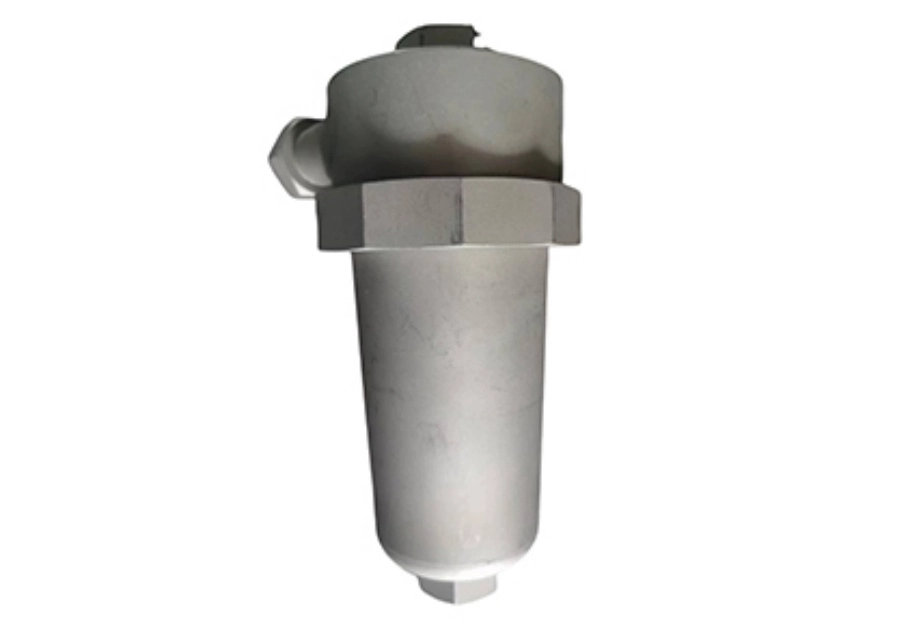
For rapid circuits that face high chances of air mixing, a focused strategy becomes necessary. This dedicated deaerator gets built to offer immediate safeguarding at the key spot in your system: the pump inlet.
Real-Time Protection at the Source
This tool takes out “free air” right before it enters the pump, thus canceling the danger of cavitation right where it starts. Different from bigger batch handlers, this gear serves as an ongoing guard for your production process. It presents a small, easy-to-maintain option that slots into current arrangements without calling for major changes.
Industrial Durability and Safety
In risky settings like chemical factories or sea-based platforms, you must not skimp on safety. This gear comes in an Explosion-Proof Series, making sure the purification steps do not add fresh dangers to your site. These pieces get constructed to endure tough industrial surroundings while keeping steady output across ten years of service.
The ourun Edge: Beyond Standard Filtration
Picking a high-quality system involves seeking harmony among various technologies. You can combine de-aeration setups with an Intelligent Monitoring and Purification System to obtain live information on your fluid’s condition. Sensors deliver nonstop updates on air levels and moisture amounts, enabling you to move from “fix-it-after” to “foresee-and-act” upkeep.
Table 2: Long-Term Financial Impact (ROI)
| Cost Factor | Traditional Maintenance | ourun Intelligent Strategy |
|---|---|---|
| Fluid Replacement Rate | Every 12 Months | Every 36 – 48 Months |
| Pump Replacement Cost | High (Frequent) | Low (Extended Life) |
| Unplanned Downtime | Significant Loss | Near Zero |
| Energy Consumption | High (Efficiency Loss) | Low (Smooth Operation) |
Professional Service and Technical Support
Gaining energy self-reliance and gear trustworthiness involves more than just the device; it centers on the knowledge supporting it. A skilled fluid check can pinpoint the precise degrees of gas and moisture issues in your present arrangement. Starting from that point, tailored fixes can get crafted to fit your particular flow speeds and pressure needs. This enduring collaboration makes sure your hydraulic pumps stay free from cavitation across their full working span.
Conclusion: Secure Your Pump’s Future
Cavitation represents a stoppable issue if you target the core reason: caught and mixed air. Through putting resources into sophisticated de-aeration tech, you shield your high-pressure pumps from early erosion and pitting. This forward-thinking way proves far cheaper than managing the results of a pump breakdown, which usually demands costly part swaps and lengthy production losses.
Do not allow air bubbles to wreck your machinery’s output. Take hold of your energy path by selecting gear that plans as diligently as it performs. If you feel prepared to assess your setup’s possibilities, we encourage you to talk with our tech crew to discover the ideal match for your industrial environment.
FAQ
Q: Can vacuum de-aeration handle high-viscosity lubricants?
A: Yes. Sophisticated systems apply heat management and effective vacuum chambers to confirm that even dense oils let go of their held gases and moisture without harming the fluid’s chemical makeup.
Q: Is it necessary to stop my production line to use a de-aerator?
A: No. Units like the mobile vacuum filter are designed to work in a “kidney loop” configuration. This means you can purify the oil while the machinery is still running, ensuring zero impact on your production schedule.
Q: How does de-aeration improve the response time of my actuators?
A: Air is highly compressible, which creates a “lag” in hydraulic signals. By removing all gases, the oil becomes rigid, allowing hydraulic pressure to be transmitted instantly to your actuators, which improves the overall precision of your machinery.