

Picking the correct filter parts for tough factory settings can seem like a risky choice. When your equipment runs under strong force, changing heat levels, or harmful air, a basic ready-made filter just won’t work well. This guide aims to fix the tricky task of choosing replaceable items by stressing dirt-trapping power, filtering sharpness, and build strength. You can follow these steps to make smart picks that save time and money in the long run.
If you need a company that really knows these factors well, allow me to point out a top player in this area. Ourun does more than make products; they act as exact builders focused on strong filtering results. With many years of skill in cleaning liquids and gases, they focus on making parts that do well where others break down quickly. No matter if you want High-Quality Oil Filters for big hydraulic machines or tough Air Filters to guard turbines, their group works to boost your gear’s running time. They view filtering as a careful study, making sure each part—from the fold shape to the material makeup—fits your exact work pressures just right. When you pick their options, you get a big pool of tech info and a promise to keep factory tools lasting that reaches way past a plain buy. This kind of support helps you handle tough spots with confidence and keeps your operations smooth for years to come.
Solving the Selection Puzzle: Key Performance Metrics
When you check a filter part for a rough setting, you have to ignore the first cost number. The real worth comes from how the part acts when the setup hits its top limit. If a filter stops working too soon or lets stuff pass by, the damage to machines that follows can run into big repair bills that hurt your budget hard.
Maximizing Dirt-Holding Capacity
Dirt-holding capacity means the full load of dirt bits a filter can catch before the pressure rise hits a danger point. In rough places like digging sites or metal work areas, the amount of dust and bits is much bigger than in safe shop rooms. You require a part built with smart fold methods. These raise the useful space inside the same outer size, so the part can grab more junk before it fills up. This change leads to longer time between changes for you, cutting down the number of risky fix jobs in hard-to-get-at spots. As a result, your team spends less time in danger and more on main tasks, improving safety and output across the board.
Precision Filtration Accuracy and Micron Ratings
Steady work marks a good filtering setup. You must make sure the picked micron level is full and not just rough. In exact hydraulic setups, just a handful of bits over five microns can lead to big “sticking” problems in controls. Top parts use many levels of fake materials to keep the cleaning power even all through the item’s life. This sharp work stops tiny dust from moving deep into your main gear, keeping the close fits needed for today’s factory work. With such steady filtering, you avoid sudden breaks and keep your production lines running without costly stops that slow down your goals.
Industrial-Grade Solutions for Extreme Stress
The real surroundings set the rules for the filter’s build materials. Whether you face the hard pull of an air entry or the thick, sticky move of factory oils, the parts must hold up strong. Choosing the right ones means your whole system stays safe and works longer under daily grind.
High-Efficiency Air and Oil Filtration
Your oil filters need to deal with more than plain dirt; they must fight chemical wear too. In hot spots, normal plastics can fall apart, causing the filter stuff to mix in and become dirt itself. Fine oil filters pick glass threads or strong nets that stay still even near sour leftovers from oil breakdown. In the same way, air filters in dry sand areas or sea sides must handle tiny sand grains or salt drops. Smart high-speed entry plans keep the air flow smooth, stopping dust piles that often cause quick jumps in push-back. These designs make sure your air system breathes easy and avoids early clogs that could harm bigger parts.
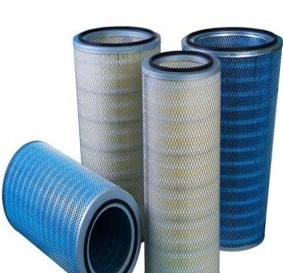
For people running big air clean needs or large make plants, Premium Dust Collector Cartridges form a key wall. These pieces often get special covers to make shake-cleaning simple. If your spot has water drops or oil fog, these hold back the hard build-up that usually blocks normal filters, so your air flow keeps its set speed without pushing the fan parts too hard. This keeps energy use low and machine life long, helping you meet clean air rules while cutting down on extra work.
Stability Under Extreme Pressure
In lots of heavy factory work, push is not even; it comes in quick beats. A filter part that seems solid in the store might fold or let pass when a hydraulic arm kicks in or a pump fires up. You ought to seek parts with thick hold insides—often hole-punched stainless steel—and strong top and bottom seals stuck with tough glues. This build strength makes sure the cleaning layer does not bunch up or rip under the heavy liquid push. With such solid setups, your filters stand firm against daily shocks, leading to fewer surprises and steadier runs in your operations.
The Edge of Custom Engineering
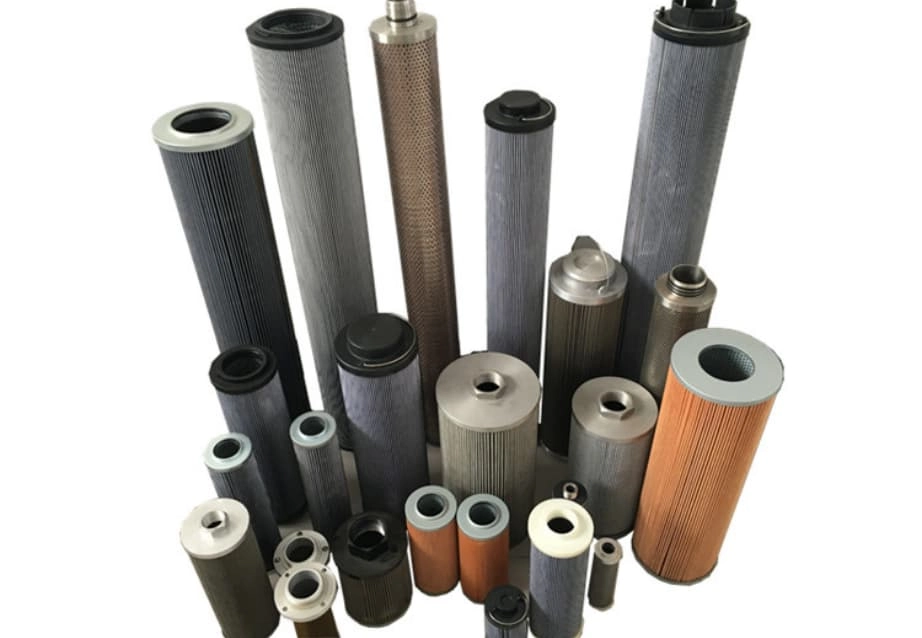
Regular sizes do not always match the facts of a special factory. When you meet a odd case or a flow speed that does not fit norms, the chance to change the filter plan matters a lot. Here, the idea of a Custom Filter Element turns into a smart gain. Instead of making your setup bend to fit a list item, you can pick the right cleaning stuff, seal type, and extra strength for your own chemicals or heat levels. This made-to-fit way cuts the chance of leak paths and makes sure the replaceable part fits the gear it guards like a glove. In the end, you get better flow, less waste, and tools that last through tough shifts without extra fixes.
Engineering for Longevity and Material Innovation
The stuff picked for rough-setting filters has grown a lot over time. You no longer stick to basic paper or plant fibers. New fake plastics and metal webs give a strength level that used to be out of reach. These advances let you run gear harder and longer, with filters that adapt to real needs rather than force limits on your work.
Material Selection for Corrosive Atmospheres
If your plant handles lots of wet air or chemical smells, stainless steel 316L or special fake threads are a must. These fight off rust and chemical bites that punch holes in normal webs. By going for a part with fine glass threads, you also get a higher heat limit, so your setup can work warmer and better without fear of a filter fail. This choice keeps your air clean and machines safe, even in spots where others would give up fast.
Quality Assurance and Field Simulation
You should ask for items tested in the worst setups possible. Good makers use check machines to copy thick cold starts and hot bursts. This makes sure that when you put the part in your far-off work site, it has already beaten the hard parts it will meet. Such forward checks set apart a real pro part from a cheap fake. With proven strength, you cut risks and build trust in your daily choices, leading to smoother runs and happier teams.
Beyond the Product: Technical Support and Service
A filter works best with a good plan for how to use it. You should find a team that gives more than a box of pieces. Tech help means looking at your own liquid tests to spot the true kind of dirt bits. Are they rough, scratching rocks or soft, living goo? The reply picks the right cleaning layer you need. This deep look helps you match filters to real threats, avoiding wrong choices that waste time and cash.
Good help also covers keeping your stock ready. In rough spots, a need for a new part can hit fast. A team with a smooth send path makes sure you never pick between a dirty filter or stopping work. This advice link lets you shift from fix-after-break care to a guess-ahead way where you swap parts on real work facts. Over time, this cuts stops, saves money, and keeps your plant humming without big upsets.
Final Thoughts on Filtration Selection
Winning in tough surroundings relies on your care for small points. By stressing dirt-trapping power, picking stuff that fights chemical and heat wear, and using made-to-order plans when needed, you guard your key tools well. Strong filtering is a spend on the steady work and coming years of your setup. It pays back in less breaks, lower costs, and better results that help your business grow strong.
For a full tech talk or to see how these fixes match your exact gear, you can reach the skilled group at Ourun. Their builders stand ready to guide you through the hard parts of liquid and gas cleaning to pick the best value and lasting choice for your factory. With their help, you turn hard choices into easy wins that boost your whole operation.
FAQ
Q: How do I know if my filter element is failing due to pressure rather than dirt?
A: If you notice a sudden drop in filtration efficiency or find metal particles downstream without a significant increase in backpressure, the element may be collapsing or bypassing. This usually happens because the support core is too weak for your system’s pressure spikes. To check, watch pressure gauges closely during high-load times and compare to normal runs.
Q: Can I wash and reuse dust collector cartridges in harsh environments?
A: While some polyester media can be washed, most high-efficiency cartridges with specialized membranes are designed for dry pulse-cleaning. Washing can often damage the microscopic pores of the membrane, leading to higher pressure drops and lower efficiency after the first clean. Instead, stick to maker guides for safe clean methods that keep the parts working right.
Q: Why does my filter clog faster in winter?
A: Cold temperatures increase the viscosity of oils and fluids. Thicker fluid has a harder time passing through the filter media, which the system interprets as a clog (high differential pressure). In these cases, you might need a media with a higher flow-weight or a system bypass for cold starts. Heating the area or using winter-grade oils can also ease the issue and keep flows steady.