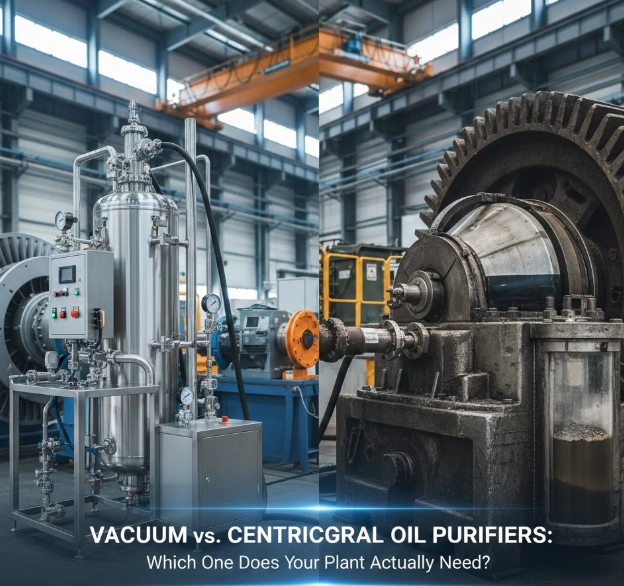
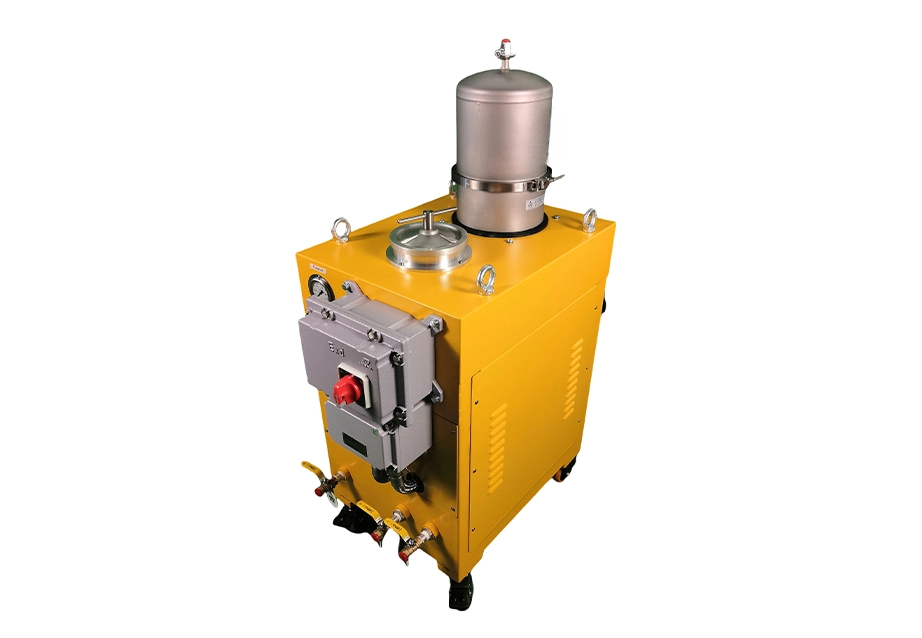
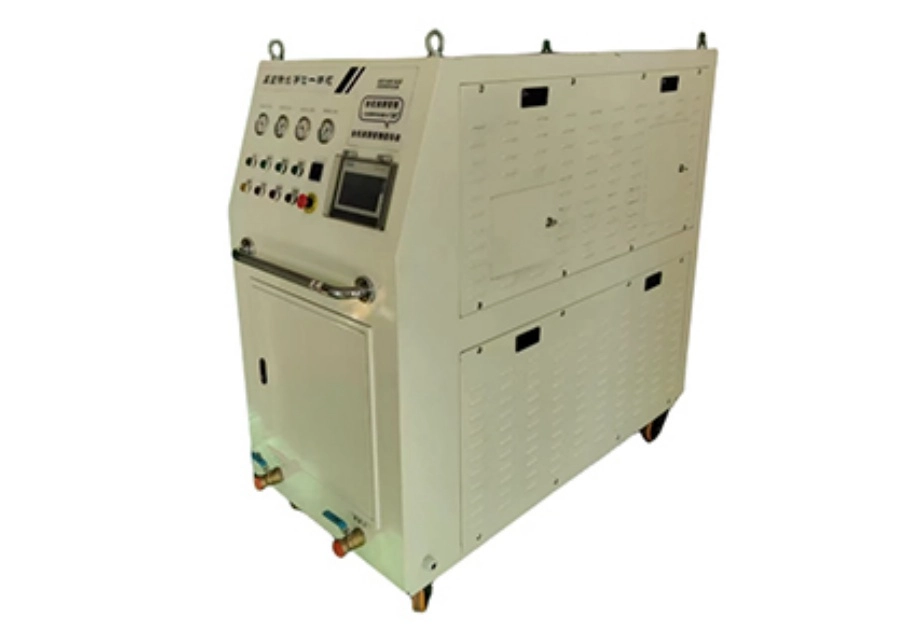
In busy factory settings, dirty oil causes most machine breakdowns. When you check your equipment, you see more than just metal parts; you see a detailed setup that runs on its vital fluid, which is the lubricating and hydraulic oil. If this fluid gets mixed with water, air, or solid bits, the whole setup could face a major failure. But how do you pick the best way to protect it? The hard part usually comes down to picking between…
Moving through the messy and complicated world of industrial oil cleaning in dangerous places needs a lot more than just buying some basic tools. If you are currently working in sectors like oil and gas, underground mining, or big power plants, you surely recognize that even a tiny spark or a small amount of dirt in your oil can lead to a massive breakdown or, even worse, a scary safety accident. You might be surprised to learn that nearly eighty…
In the field of heavy industry, your equipment depends entirely on the oil that runs through it. You may view oil as just a basic lubricant, yet it serves as a key indicator of problems, a cooling agent, and a means to transfer power. Once this liquid gets tainted, your whole setup starts heading toward breakdown. Pollution in oil creates more than just routine upkeep issues; it directly cuts into your business's earnings, causing unexpected halts in work and…
In the busy field of factory production, the condition of your equipment relies completely on the cleanliness of the liquid that flows inside it like blood in veins. For many years, repair groups depended on a simple schedule-based method, throwing away costly oils just because time had passed instead of checking their real state. This old way wastes money and creates risks, since it overlooks the tiny bits of dirt that cause hidden damage well before the next planned check-up arrives. Right now, the sector moves toward a wiser, information-based mindset. When you combine instant dirt tracking with easy-to-move cleaning tools, you can change your upkeep tasks from something you do only after problems appear into a real benefit for your operations. This article looks at how the newest ideas in liquid care let you reach the highest level of smooth running in your work. Meet Your Expert Partner in Fluid Purity When you handle equipment worth millions of dollars, you want more than a basic seller of parts; you need a teammate who understands the detailed makeup of…
Dealing with thick industrial oils that go into gearboxes, turbines, and big machines brings clear problems because of their heavy feel and easy pickup of dirt. These oils, mostly in the ISO VG 150 to 680 group, give strong results under big pressure, yet they often gather water, hard bits, and air pockets, which cause gunk, rusting, and weaker work. Solid cleaning matters a lot to keep setups steady without using heat first or mixing in helpers, above all in hard outdoor spots. This report checks out vacuum and spinning methods, pointing out their ways of working, good sides, and uses to help choose the best fix for dirty thick oils. Challenges in Managing High-Viscosity and Contaminated Industrial Oils Characteristics of High-Viscosity Industrial Oils If you run tough machines, gearboxes, or turbines, you probably face thick industrial oils. These oils, usually from ISO VG 150 to 680, show big pushback inside and move slowly at normal room heat. Their dense makeup fits them well for places with strong force, but it also sets them up for dirt piling up.…
Efficient diesel engine performance on ships depends heavily on maintaining clean lubricating oil. Contaminated oil containing water, sludge, or metal particles accelerates wear, promotes corrosion, and can lead to costly breakdowns at sea. A properly sized and installed marine oil purifier removes these impurities continuously, extends oil life, reduces maintenance downtime, and protects critical engine components. This guide explains the working principles of modern centrifugal and vacuum purifiers, key factors for correct sizing, practical installation steps, and proven maintenance practices. Whether operating a coastal vessel or an ocean-going ship, selecting the right purification system ensures reliable operation and lower operating costs in demanding marine conditions. Clean Oil, Efficient Engines: Why Marine Purifiers Matter Importance of Clean Oil in Marine Diesel Engines In marine diesel engines, clean oil stands as an essential requirement rather than a mere option. The lubricating oil in these setups performs several vital tasks beyond simply cutting down friction; it helps with cooling, sealing gaps, and holding contaminants in place. When oil picks up water, sludge, or tiny bits of debris, its capacity to handle these…
Defining a Waste Oil Centrifuge A waste oil centrifuge serves as a reliable tool built to clear out dirt from old or worn-out oil. It works through strong spinning motion that pulls apart unwanted bits by how heavy they are, so you end up with fresh oil ready to use again. This setup proves really helpful in factory settings where keeping fluids spotless matters a lot for machine life and smooth running. The main idea behind centrifugal vacuum oil filters relies on spinning apart different parts in a fast-turning space due to their weight differences. When dirty oil flows into the quick-spinning container, which often spins faster than 8000 rpm, heavier stuff like metal bits, thick gunk, and water gets thrown to the sides, while the clean oil stays in the middle. If you handle oil for machines or power systems and want to make better use of oil while cutting down on upkeep expenses, checking out strong oil cleaning options becomes important. One top supplier of these tools is Ourun. Their smart oil cleaning devices come with tough control…
In industrial and hydraulic systems, maintaining oil cleanliness is critical for ensuring equipment reliability and longevity. Contaminants like water, metal particles, and sludge can accelerate component wear, reduce lubrication efficiency, and lead to costly downtime. Two primary technologies used to combat oil contamination are centrifugal oil filters and paper oil filters. While paper filters are common and cost-effective for many applications, centrifugal filters offer a robust, reusable alternative, especially in demanding environments. This article explores the key differences between these two filtration methods, examining their mechanisms, maintenance needs, operational costs, and suitability for various industrial settings. Understanding these distinctions can help operators select the most effective filtration strategy to protect their machinery and optimize performance. Overview of Oil Filtration Technologies The Role of Oil Filtration in Industrial and Hydraulic Systems When you run hydraulic and industrial lubrication systems, keeping oil clean is a must—it's absolutely vital. You count on strong systems that keep going non-stop under tough conditions, and even small bits of dirt like water, metal bits, or gunk can mess up this steady work. Such unwanted stuff…