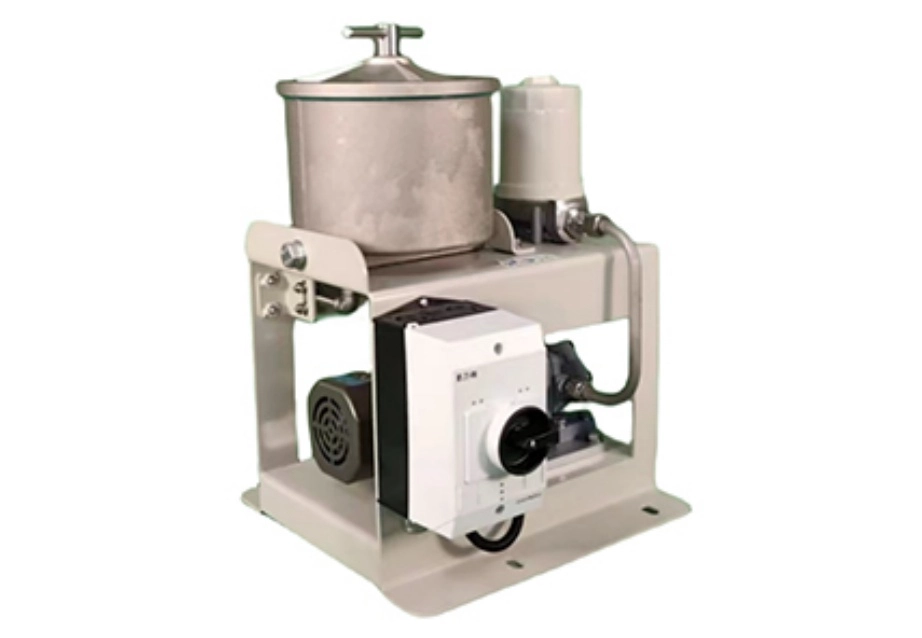
Achieving an incredibly high level of liquid neatness is the ultimate test for today’s top-tier factory work and airplane engineering. When your daily tasks depend on strong oil-pressure setups, tiny control valves, and sensitive moving parts, the huge gap between just "okay" oil and perfectly cleaned liquid is truly the gap between smooth work and a total mechanical disaster. To reach the famous NAS 6 or ISO 4406 17/15/12 cleanliness marks, you really have to move way past basic fixing…
In the field of precise machines, the things you cannot spot are usually the ones that ruin your money spent on equipment. You probably keep an eye on your oil amounts and swap out your filters following a tight plan, but you still run into sudden problems like valves getting stuck, pumps breaking down, and parts wearing out too soon. All this occurs since common mechanical filters have a huge weak area when it comes to tiny metal bits under…
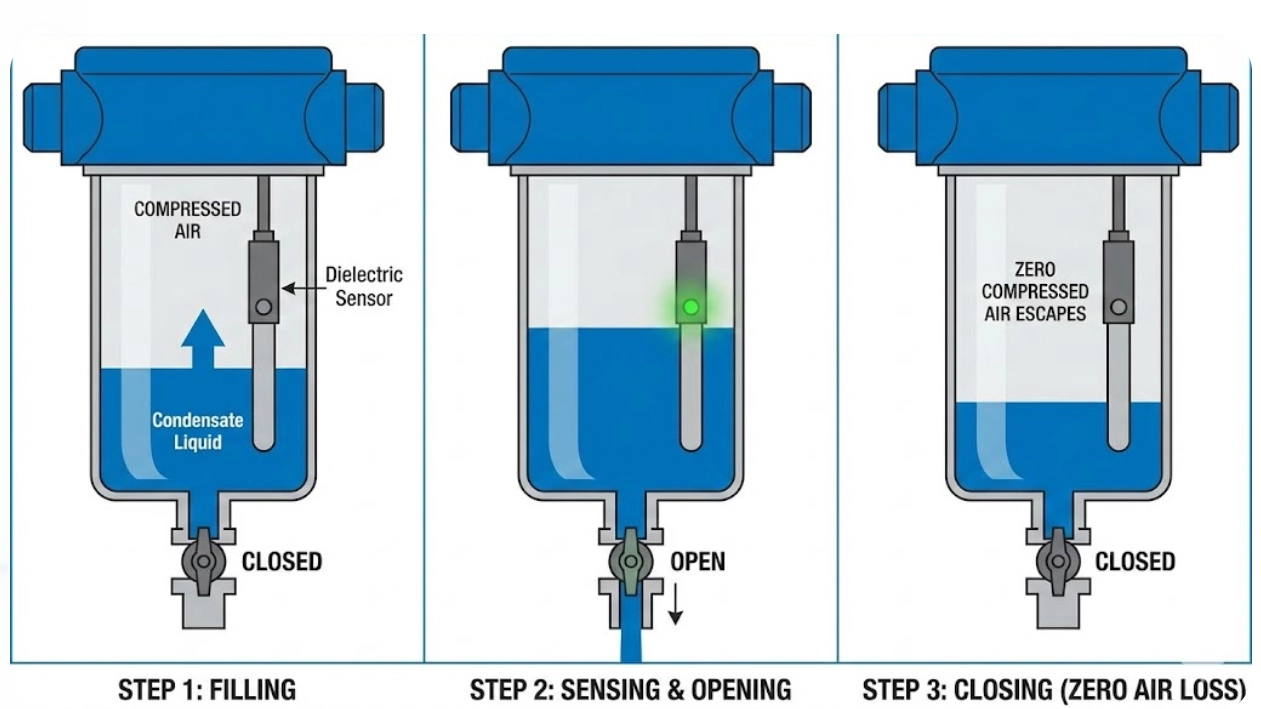
Water shows up in every compressed air system no matter what. When air gets squeezed, its heat goes up and it can carry more dampness; yet as that same air passes through after-coolers and pipes, it starts to cool off. This cooling makes water vapor turn into actual liquid drops. You might think this is just a small side effect, but that overlooked water can cause real harm to your priciest equipment. If you fail to get rid of this…
Factory lubrication setups deal with a quiet, clingy foe that usual upkeep steps frequently ignore. If you manage careful machines, you may have seen your servo valves jamming or your cooling units not holding steady warmth even after normal oil swaps. These troubles seldom come from basic grime. Rather, they arise from a chemical leftover called varnish. To guard your spending and keep work time steady, you have to go past old mechanical screens and accept the strong features of careful tech. The Invisible Threat: Why Your System is Sticking Varnish forms as a slim, unmixable layer when oils face heat or air strain. Unlike solid bits like metal scraps or grit, varnish begins as a yielding, charged dirt. In its mixed form, it stays hidden from plain sight and slides right through common screens. Yet, as the oil chills or meets pressure falls—everyday events in servo valves and bearing spots—this stuff settles from the mix. When you notice a dark brown, tea-style mark on your metal areas or a heavy, mud-like cover on your valve parts, you are seeing…
Keeping the good shape of your systems that push fluids and those that make things slide is an ongoing fight against a foe you can't see. A tool may look like it runs fine on the outside, but inside its parts face billions of tiny bits of dirt all the time. To deal with this danger, folks in the field use the ISO 4406 rule, which sets a common way to say just how pure your oil needs to be so big breaks don't happen. This standard helps plants and shops know when their fluids are safe, and it guides choices on tools and checks to keep machines going strong without surprise stops that cost time and cash. Meet Your Partner in Fluid Cleanliness: Ourun Before we get into the details of counting those bits, you need to know who helps you along the way. See us not only as a maker of gear, but as your own team for making sure fluids stay reliable. At Ourun, we have put in years working in tough spots of big work sites,…
In the fast-changing world of Industry 4.0, the shop floor in your plant turns into more than a group of metal pieces; it becomes a busy network full of facts and figures. For a long time, repair groups stuck to the "keep going until it breaks" way or set dates on a calendar that brought extra stop times or threw away useful stuff. These days, adding the Internet of Things, or IoT, to the handling of liquids shifts everything in a big way. When you move to a plan based on facts you see right away, you can change your oil cleaning setup from a basic helper into a smart checker tool that guards your biggest money investments. This kind of change helps factories run smoother, cuts down on surprise stops, and keeps machines working longer without the old guesswork that often led to costly fixes or early part swaps. The New Era of Predictive Maintenance Today's making of goods calls for exact work. You understand that even tiny bits of dirt can lead to major breakdowns in systems that…
If you have worked for years overseeing a factory floor or a power plant, then you understand that oil serves as more than a simple lubricant because it acts as the vital force keeping your machinery operating smoothly, yet even the priciest synthetic oils become worthless when they pick up dirt and particles, and when handling powerful hydraulic setups or delicate turbines, settling for merely adequate cleanliness simply does not cut it since you always target the top benchmark known as NAS 6 cleanliness, which demands far beyond a basic filter but calls for a smart plan that mixes accurate technology with a solid grasp of how fluids move, and this guide will lead you step by step on how to achieve that goal so your equipment performs better and endures for a longer time without unexpected breakdowns or costly repairs. A Partner in Your Maintenance Journey: Meet Ourun Before jumping into the specifics of particle numbers and micron sizes, I would like to present myself as a fellow worker who has faced the real challenges of handling industrial…
The sight of "milky" hydraulic oil is enough to make any maintenance manager’s heart sink. You look at that cloudy, opaque fluid there, and you are seeing more than just a color change. You are seeing pump failure, valve response, and a whole shutdown of a whole system. Water is actually the second most prevalent contaminant within a hydraulic system. Water, if not properly addressed, will actually function like a slow-working poison within your equipment. Before we dive into the technicalities of rescuing your oil, it is worth looking at who provides the tools to solve this. Since 2005, Ourun has served as a specialized partner for industrial facilities worldwide. As an expert in fluid management, Ourun focuses on one core mission: extending the life of your lubricants. We design and manufacture high-performance vacuum purification systems that do more than just filter—they restore. Our team understands that your oil is a valuable resource to you when it comes to business costs rather than a consumable. In choosing to utilize our engineered hardware solutions, you are breaking free from a cycle…