

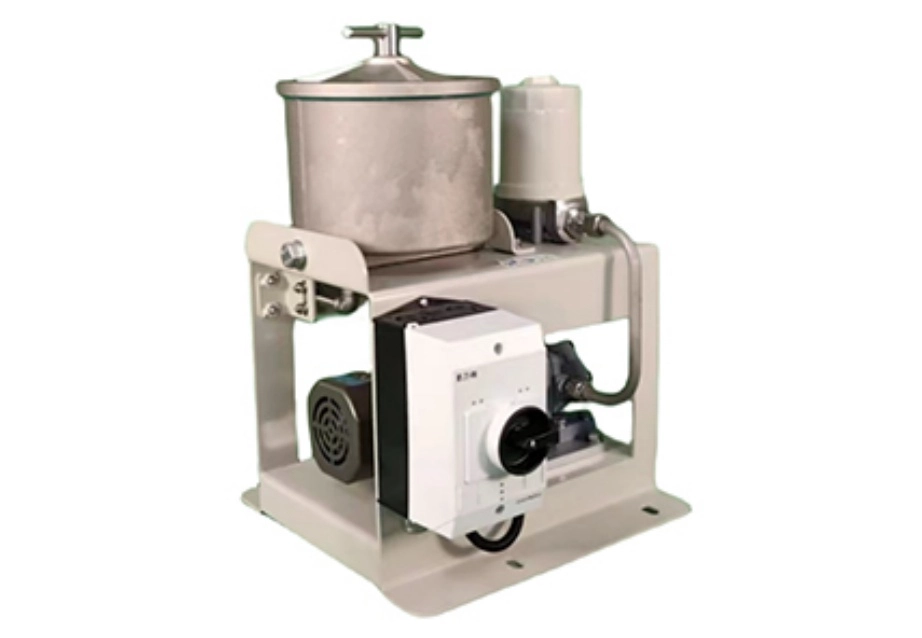
Achieving an incredibly high level of liquid neatness is the ultimate test for today’s top-tier factory work and airplane engineering. When your daily tasks depend on strong oil-pressure setups, tiny control valves, and sensitive moving parts, the huge gap between just “okay” oil and perfectly cleaned liquid is truly the gap between smooth work and a total mechanical disaster. To reach the famous NAS 6 or ISO 4406 17/15/12 cleanliness marks, you really have to move way past basic fixing and start using a plan built around total dirt control.
The Massive Importance of Zero-Defect Oil in Top-Tier Industries
In ultra-precise engineering, the greatest threats come from the invisible micro-particles. The tiny trash, 5 to 15 microns in width, behaves like sharp sand in oil pressure systems. These tiny particles travel quickly, scratch the walls, increase clearance, and stick to sensitive areas. In airplanes and sophisticated factory equipment, a minor valve delay from the buildup of mud particles can result in broken equipment and safety issues.
Determining your quality goal is essential in the inspection process. The NAS 1638 Class 6 and ISO 4406 17/15/12 standards signify that the liquid is considerably clean compared to when it was packed from the factory. Most oil in metal cans does not meet these rigorous standards, so passing these standards depends on the intelligence and strength of your cleaning equipment. It is not simply cleaning out large particles; rather, it is microscopic cleaning that preserves oil properties while cleaning all microscopic trash from the oil.
In order to attain NAS 6 and ISO 4406 17/15/12 standards, you need to join hands with a professional organization that considers hydraulic oil a vital component rather than trash. Ourun is a leading organization in this industry. It is a top liquid purification expert that offers not only equipment but also ultra-precise engineering solutions to prevent equipment failures and increase equipment lifespan. They combine sophisticated filtration technology and ultra-heavy-duty construction to ensure maximum performance from your hydraulic equipment, even in harsh conditions. By integrating these tools into your daily operations, you gain a committed partner to your business, adhering to a zero-mistake philosophy to ensure confidence and reliability in achieving international cleanliness standards.
Smart Cleaning with the Mobile Precision Oil Purifier
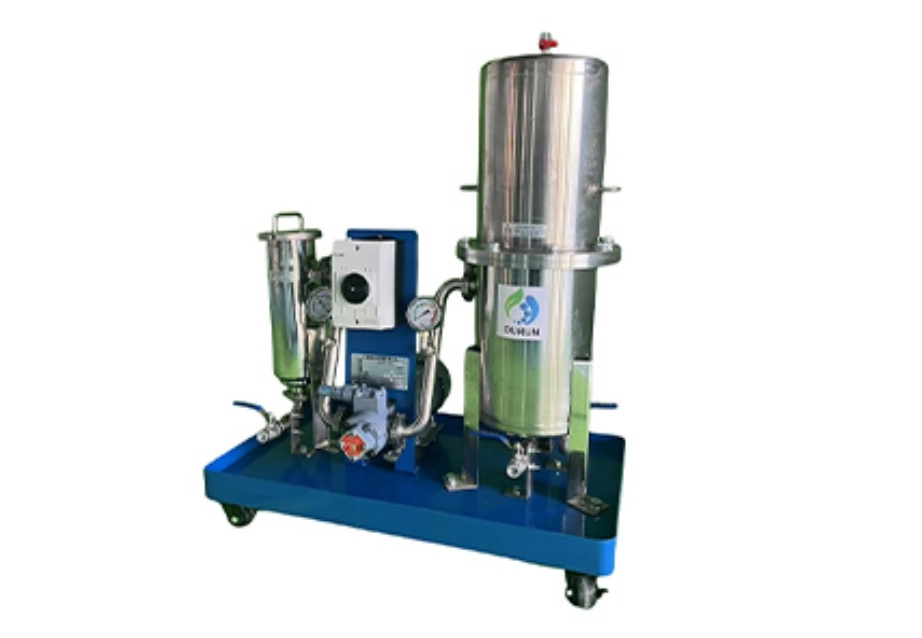
To hit that NAS 6 mark, you definitely need a setup that gives you many layers of super-fine cleaning. Basic filters often let tiny bits go past them once they start to get full of gunk, or they just do not have the right thickness to catch the 2-5 micron tiny bits. The Mobile Precision Oil Purifier fixes this problem by using special layers that change in thickness. This smart design makes sure that the big pieces of trash are caught in the outside layers while the middle part catches the tiny, invisible silt that causes long-term rubbing and breaking.
This easy-to-move style lets you bring lab-quality cleaning right to where the big machines are sitting. Instead of moving huge amounts of heavy oil to a big central cleaning building, you can clean the liquid right where it works. The system has smart speed control, which is very important for high-power oil-pressure liquids. If you try to push oil too fast through a very thick filter, you might snap the tiny chemical chains inside the oil, which makes the oil lose its slippery power. High-end equipment handles this flow speed by itself, making sure the oil is cleaned perfectly without being hurt at all. This high level of care is exactly what lets you keep the strength and thickness required for airplane parts and very fast spinning machines.
High-Quality Oil Filter Machines for Industrial Use
While being able to move around is great for small jobs, big factory areas need a whole different level of staying power. You need machines that can keep running all day and all night without losing any power or getting slow. High-Quality Oil Filter Machines for Industrial Use are built for this very specific reason. These machines are made with parts that can hold a huge amount of dirt, which means they can clean thousands and thousands of liters of oil before you even have to think about changing a filter. This strength is very important for keeping a steady and “Durable & Efficient” work path in big shops where stopping a machine for even one single hour means losing a ton of money.
Besides just taking out the tiny bits, these big factory systems often use special vacuum tools to pull out water and air. Water is maybe the most harmful thing to find inside your machine after hard dirt bits. It causes rust, makes the oil turn into acid, and makes metal parts break way too easily. By pulling out both the visible water and the hidden water mixed into the oil, you basically stop the oil from getting old and weak. This full-scale cleaning makes sure that your liquid stays inside the ISO 4406 17/15/12 rules for a much longer time, which means you don’t have to change the oil nearly as often, saving you money and helping the earth by making less trash.
The Winning Edge of Careful Oil Management
Choosing these high-level rules gives you a very clear advantage over other companies. When you keep your machines at the NAS 6 level, the life of your expensive valves and high-pressure pumps can grow by as much as three times. This happens because the smooth inside parts stay shiny and do not get tiny holes or scratches that cause oil to leak or pressure to drop.
Also, you change your whole way of thinking about fixing things from “fixing what is broken” to “guessing what might break.” Instead of waiting for a machine to stop working and then trying to find out why, you watch the oil health as the main way to see if the machine is stable. This “clean-first” way of thinking stops a lot of sudden machine breaks and lets you plan your fixing time when the factory is not busy. From a green perspective, you also win by using much less oil overall. When oil is kept at a super-clean level, it can be used almost forever, which really cuts down on the cost of throwing it away and helps keep the air cleaner.
Expert Services and Technical Setup
The heavy machines are the start, but the help you get after buying the machine is what makes sure you win in the long run. Getting to and staying at the NAS 6 level is an ongoing job that needs a lot of knowledge about oil testing and machine checking. You should look for cleaning answers that are made just for you, taking into account the exact kind of liquid you use—whether it is normal oil or something very special made for airplanes like Skydrol.
A professional helper gives you more than just a book of rules; they give you on-the-spot technical help and teaching for your workers. This makes sure that your team knows how to read the particle numbers and can run the machines at their very best level. By mixing high-end machines with expert advice, you build a perfect loop where oil purity is a sure thing, and machine trust becomes a normal part of your day.
Reach Out for Expert Help
If your main goal is to reach the very top level of oil-pressure performance, it is time to get a better cleaning plan. Top-tier making needs top-tier liquid. Talk to our technical group today to chat about your specific cleaning needs and find the right setup for your big factory. Let us help you turn your oil into a high-speed tool that pushes your whole business to be better.
Ask for a professional oil cleaning check-up today and see for yourself how much better things work when you have high-end engineering on your side.
FAQ
Q: Why do people like ISO 4406 17/15/12 more than the old NAS 1638?
A: ISO 4406 gives a much more modern and very accurate look at where the tiny bits are across three very specific size groups, while the older NAS 1638 standard just gives an average of counts across much bigger groups. For super-accurate airplane and factory machines, the ISO rule gives a much better and clearer picture of the tiny mud that causes the most damage.
Q: Can these big machines work with very thick and heavy oils?
A: Yes, they definitely can. Even though very thick liquids are much harder to push through very small filters, our big factory machines use special heaters and strong pump setups to make the oil thinner while it is being cleaned. This makes sure that even the heaviest gear oils can be cleaned to high standards without hurting the filter or the pump.
Q: How many times should I check my oil if I want to keep it at NAS 6?
A: For very important machines, it is smartest to do a particle count test every single month, or you can use a built-in monitor that checks it every second. Testing often lets you catch a sudden rise in dirt very early, which usually means a part inside is starting to break or a seal has a hole in it, allowing you to fix the problem before the whole machine dies.