

How to Remove Water from Hydraulic Oil Without Replacing the Entire System
You handle large machines. You understand that hydraulic setups keep your whole production flow steady. To dodge expensive breakdowns and quick stops, you should handle remove water and hard bits from your hydraulic oil right away. Facts indicate that 80% of hydraulic system problems link to oil dirt. Also, about 40% of seal breaks in factory gear tie straight to poor oil cleanness. Such big running risks call for a solid partner in fluid cleaning. That is where Ourun comes in. As a skilled maker of strong filter setups, Ourun gives solid fixes that pull apart dampness and hard bits from key fluids. Such upgrades to your filter plan let you stretch gear life and cut upkeep bills a lot. You skip the weight of full system swaps.
The Hidden Danger of Contaminated Oil to Your Equipment
Skip fluid cleanness at your peril. The fallout reaches past basic use and tear. Bits speed up seal rub. They can spark linked issues like lube loss and spot heat.
How Particles and Moisture Destroy Seals
In hydraulic setups, tough bits sized 5-15μm can dig into rubber seal faces. They make groove-like rub tracks. Steady rub widens the seal space past set limits. Leaks then grow fast. Tests reveal that seal space growth from 0.05mm to 0.1mm boosts hydraulic oil leaks by 3 to 5 times. Plus, big bits over 50μm can rip seals right away. This brings huge fluid loss and major running dangers. Delay on remove water and these rough bits, and you face total breakdown. For example, a wind site’s key gearbox saw bad shaft seal rub after only 12 months. The cause was low lube cleanness.
Experimental Data on Oil Cleanliness and Leakage
To show contamination’s strong effect on setups, look at this test data. It compares oil cleanness levels in a 200-hour run.
Table 1: Impact of Oil Contamination on Seal Wear and Leakage (After 200 Hours)
|
Oil Cleanliness Level (ISO 4406) |
Contamination Status |
Seal Wear Depth (μm) |
Leakage (mL/min) |
|
16/14/11 |
Clean |
8.7 |
0.7 |
|
18/16/13 |
Lightly Contaminated |
21.5 |
2.8 |
|
20/18/15 |
Moderately Contaminated |
43.2 |
7.6 |
|
22/20/17 |
Heavily Contaminated |
68.9 |
11.3 |
Note: The heavily contaminated group leaked 8.7 times more than the clean group.
The High Cost of Replacement vs. The Efficiency of Purification
Emptying and swapping all system oil costs a lot. It takes much work and slows production. Sudden stops from dirt hit your profits hard. Yet, steady upkeep and routine cleaning can cut such stops by 80%.
Strong filter tech lets hydraulic oil last 3-5 years. Before, it needed change every two years. Recycle costs just one-third of fresh oil price. It brings used oil to like-new state. Skip buying fresh fluids often. Filter setups let you remove water and clear junk. You save big on running funds.
Table 2: Return on Investment Analysis for Industrial Oil Filtration
|
Financial Metric |
Amount (Yuan) / Impact |
|
Initial Investment |
500,000
|
|
Annual Operating Cost |
50,000
|
|
Annual Maintenance Cost Savings |
200,000
|
|
Extended Oil Life Savings |
300,000
|
|
Increased Efficiency Savings |
150,000
|
|
Estimated Payback Period |
6 – 12 Months
|
Note: This specific machinery manufacturing case study generated over 800,000 yuan in net profit annually for the company.
How Centrifugal Vacuum Oil Filtration Works to Remove Water
Skip old drain ways. Centrifugal vacuum oil filters give a solid fluid cleaning fix. These setups clear damp, gas, and other junk from oil goods via vacuum steps. They boost oil purity and work.
The Mechanism of Centrifugal Separation
Centrifugal vacuum oil filters rest on centrifugal split. It pulls apart items in a spin field by density gaps. Oil with junk and damp enters the fast-spin disc drum, often at ≥8000 rpm. Spin force pushes thick junk and damp to drum sides. Cleaner oil stays in the middle. You thus keep remove water from the setup. No need for weak filter sheets or production halts.
Specialized Oil Purification Solutions
For tough factory tasks, you need steady, fit-made gear. Based on your site’s design and dirt problems, pick aimed machines to fix fluids well.
For ease in tough factory spots, the OURUN-KORS-30 fits as your top movable vacuum oil filter. It clears bits like metal, damp, and gels from lube, hydraulic, and cool oils. This keeps gear running smooth and lengthens use life.
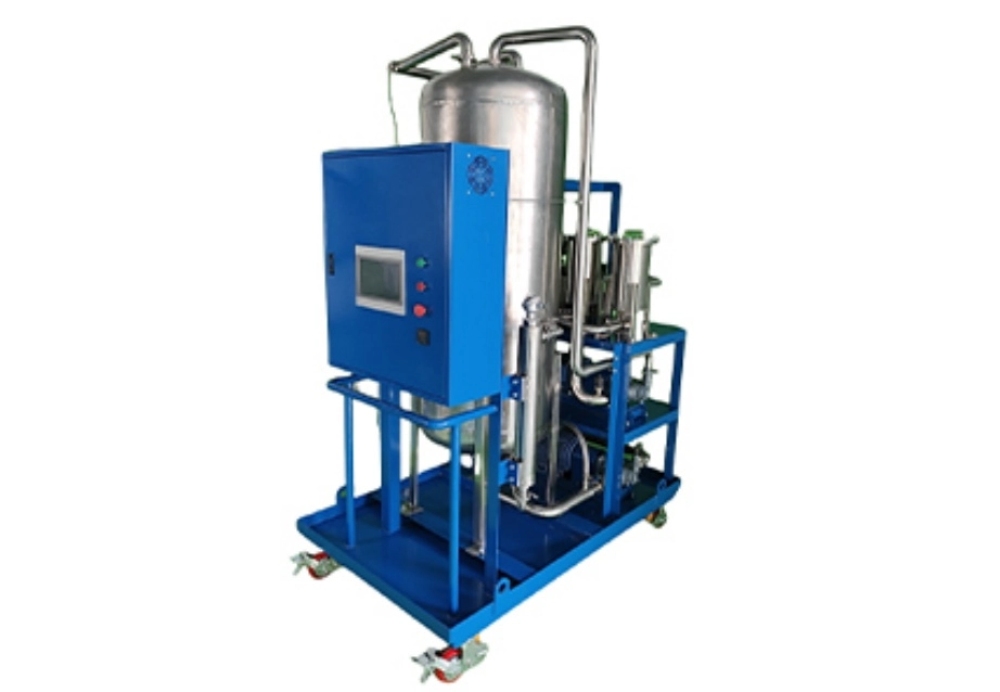
For bad damp dirt, you need strong water pull power. The OURUN-KORS-70 exact vacuum cleaner pulls damp, clears gas, and cuts junk from oil. It brings back insulation power and keeps power gear safe and steady. Its sharp work makes it the best pick for touchy setups.
Key Advantages of Upgrading Your Filtration
Use fresh vacuum and spin setups to remove water and bits. Benefits grow quick in running. Clean oil moves energy well. It cuts rub and holds production gear in best shape. Real use shows tuned hydraulic setups can lift rate by 3%-5%.
Unmatched Speed and Lower Operating Costs
Centrifugal vacuum oil filters give quick filter rates. They wrap a cycle in 3-5 minutes. Over time, no need for replace parts. This cuts supply costs and running bills. Plate-frame filters need cloth swaps often. This new way saves steady work and stuff costs. Spin energy plus tuned vacuum gives 40% power savings.
World experts’ tests and counts show that hydraulic oil cleanness rise from NAS 8 to NAS 3 stretches system life fourfold. Breakdown rate drops fourfold. Mean Time Between Failures (MTBF) grows fourfold.
Conclusion
No need to toss costly hydraulic fluids due to dirt. Clean oil matters for right seal work and full machine health. Upgrade filter tech to dodge big swap costs and seal breaks. It keeps machines at top rate. Pick gear to remove water and filter rough bits. You gain fast investment return and longer key asset life.
FAQs
Q: How fast can a centrifugal vacuum system remove water and clean my oil?
A: Centrifugal vacuum oil filters offer extremely fast filtration speeds, typically completing a filtration cycle every 3-5 minutes. Each filtration process can filter up to 20-25 kg of oil, significantly improving production efficiency.
Q: Will using a high-quality oil filter actually save me money on oil replacements?
A: Yes. Using high-quality filtration technology, hydraulic oil that previously required replacement every two years can be extended to 3-5 years. Used oil can be brought up to new quality at a recycling cost of only one-third of the market price.
Q: Why is it so crucial to precisely remove water and particles smaller than what the human eye can see?
A: The smallest particle size visible to the human eye is 40μm, but particles smaller than 15μm can also cause significant wear. In hydraulic systems, particles with a size of 5-15μm can embed themselves into the surface of rubber seals, causing severe wear, expanding the sealing gap, and leading to massive leaks.