

Introduction
In industrial production, hydraulic systems play an important role in the steady function of numerous companies, and the purity of hydraulic fluid has a direct effect on output performance and expenses. Water in Hydraulic Oil continues to rank among the frequent and harmful problems in such setups. Equipment protection demands a clear grasp of the gap between free water and dissolved water, plus practical ways to eliminate both.
Facing key fluid problems calls for a collaborator with solid knowledge of work cleaning. OURUN enters here. Consider OURUN more than a tool provider; see it as a focused expert on fluid condition. Drawing on broad field background, OURUN builds solid cleaning options that face major pollution issues directly. The firm creates capable setups that exceed basic debris removal. Instead, they refresh worn fluids, guard valuable devices, and in the end, secure financial gains. This piece will later detail how these modern options blend into daily processes. Oil filtration equipment serves as a useful cleaning choice. It aids firms in cutting large upkeep and fluid swap costs. Further, it lengthens device span, boosts output rates, and leads to clear income rises.
The Enemy: Free Water vs. Dissolved Water
Recognizing the precise split between these water forms counts as the initial key move to shield hydraulic devices. Each moisture type harms the setup, yet they operate in distinct manners.
What is Dissolved Water?
Dissolved water stays fully taken up in the oil molecular web. It avoids detection by bare eyes. The reason lies in its smooth mix with the liquid, akin to how dampness hides in nearby air. All hydraulic oil kinds hold a fixed saturation mark, meaning their peak hold for unseen water. Heat shifts notably change this mark. Heated oil carries way more dissolved water compared to chilled oil.
What is Free Water?
Free water appears when water amounts go beyond the oil’s saturation mark. When oil loses its chemical grip on water, the liquid splits into clear drops. Such splitting frequently makes hydraulic fluid look foggy or whitish. Free water pools at tank bases. It brings a straight and prompt danger to device elements by boosting rust and removing grease protection.
The Transformation Process
The move from dissolved to free water takes place often in normal running. Devices lose heat in downtime or abrupt cool shifts. Then, the oil’s holding ability drops quickly. Hidden water that escaped notice before now gathers and shifts to harmful free water.
The Hidden Dangers of Water Contamination in Hydraulic Systems
A minor water level might seem mostly safe. However, facts show otherwise. Water presence, along with solid bits, starts a tough series of device breakdowns.
Solid bits demand attention before water shows openly. If bits like sand and rust avoid full removal from raw oil in processing, they slip into work uses with the products. Poor cleaning of truck tanks, plus rust and wall flaking in oil storage units, can taint oil with items like metal scraps and dirt in transit and holding phases. Research reveals that bit levels in outdoor-stored lubricants after six months may grow two to three times. In device use, metal waste from gear contact and bearing work, plus rubber specks from seal rubbing, keep tainting the oil. Open devices in dirt-heavy areas allow air sand and dust to slip into oil via vent holes or seal spaces.
Accelerated Component and Seal Failure
Mechanical seal units lean much on pure oil for correct running. Numbers indicate roughly 40% of seal problems in work devices connect straight to low oil purity. Bits speed seal rubbing and may start linked effects, like grease loss and spot warming. Tough bits in oil create three-body grinding between seal and contact side. In hydraulic systems, bits of 5-15μm size may lodge in rubber seal faces, making furrow-style rub traces. Test figures show that big rises in bits over 5μm in oil raise O-ring rub rates by 2.8 times. Also, repeated bit hits on seal faces build local strain spots. This sparks fatigue crack starts and may cut seal duration by 40% to 60%.
Destruction of Lubrication Performance
Water in Hydraulic Oil actively breaks the guarding oil layer among active parts. Outside bits block grease paths on seal faces, breaking oil layer flow. In sliding bearing seals, bits lead to oil layer splits. This lifts friction factors fast from 0.03 to 0.12 and starts bare friction conditions. Small bits pile in grease lines, cutting seal grease output. Such piles cause system pressure changes. Steady rubbing widens seal spaces past planned bounds, causing fast leak rises. Studies note that space growth from 0.05mm to 0.1mm boosts hydraulic oil leaks three to five times. Big bits may rip seals right away, leading to major hydraulic oil loss.
Increased Operating Costs
Depending on tainted oil brings regular surprise halts. Figures confirm 80% of hydraulic system breakdowns link to oil tainting. Such breakdowns raise costs for servicing, part swaps, and rush work.
How to Remove Both: Advanced Vacuum Purification Solutions
Common approaches, like plain settling vats or basic mechanical sieves, tend to miss the mark. They target only large free water drops. Dissolved water goes unaddressed. True system defense requires modern cleaning methods.
The Vacuum Dehydration Principle
Centrifugal vacuum oil filters capably clear water, gas, and extra bits from oil goods via vacuum steps, raising oil clarity and function. Oil with bits and water flows into the quick-turning disc barrel. Centrifugal pull sends heavier bits and water to barrel edges. Cleaner oil stays in the middle. These tools give quick sieve rates, usually wrapping a cycle in 3-5 minutes. They bring 40% energy cuts via better vacuum designs. Quick-turn barrels call for good motion balance to stop strong shakes. This keeps the barrel firm even at peak rates.
Targeted Solutions for Your Facility
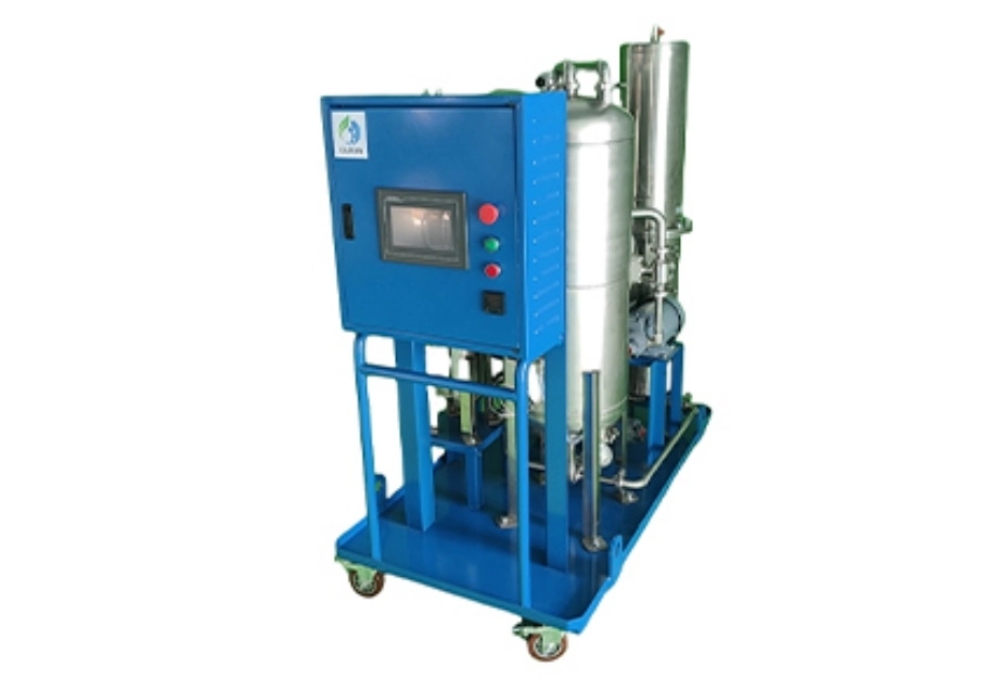
Reaching this degree of exact cleaning needs tools made for strict work needs. For example, setups with firm bit and water checks find the OURUN-KORS-308C a strong pick. Bits and water part from oil smoothly, yielding deeply clean, vivid-strained oil that fits precise grease demands of device units. The unit holds modern parting tech suited to tough settings. In real tasks, choose fitting parting ways based on oil traits and parting goals.
The ROI of Upgrading Your Filtration Equipment
Putting money into top cleaning tech goes beyond routine spending; it stands as a planned economic step. System updates yield real and quick gains.
Extended Oil Lifespan and Slashed Costs
Fine sieve tech lets hydraulic oil, once swapped every two years, stretch to 3-5 years. Reuse spending hits just one-third of market rates, lifting used oil to fresh standards. Expert oil sieve tools lower repair counts and tainting costs by more than 45% on average.
Rapid Payback Period
Money upsides build swiftly. Preventive care and steady washing can trim surprise halts from tainting by 80%. In a device making firm, return time reaches 6-12 months. This creates over 800,000 yuan in yearly clear income for the firm. Pure oil moves power more well, cuts rubbing, and holds output devices in top shape. Cases prove that tuned hydraulic systems raise output by 3%-5%.
Advanced Applications for Absolute Dryness
Routine hydraulic cleaning may not suffice at times. Energy fields and touchy areas require oil to hit full dryness for safe work.
The Solution for Profound Dehydration
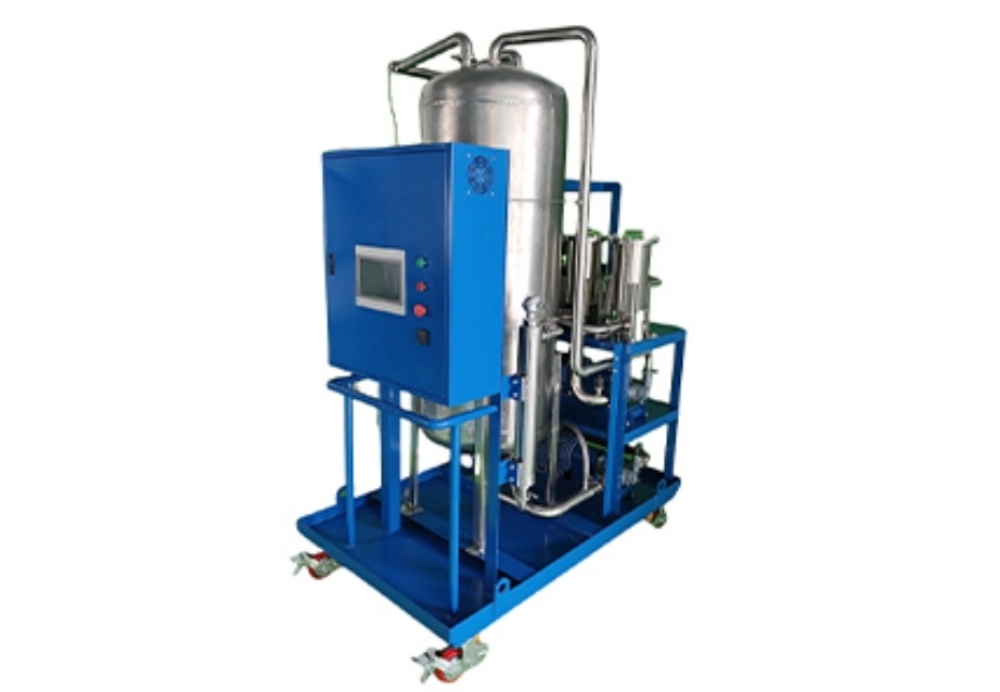
Power transformer oil wears down with time from oxidation and water. This harms transformer insulation work and lifespan. Tasks needing full dryness can turn to the OURUN-KORS-70. Centrifugal vacuum oil filters strip water, gas, and bits from transformer oil. They renew insulation power and assure safe, firm running of energy tools. New centrifugal vacuum oil filters add auto control units more often. These units offer live checks on device factors like barrel rate, oil heat, and oil force. Off factors trigger quick warnings from the setup. It then applies right actions, like rate tweaks or input halts. Plus, the auto setup allows far-off checks and control, easing user handling and device care.
Conclusion and Service Contact
Oil purity ranks as a main element in seal function, and bit items hasten seal breakdowns through ways like rubbing and grease harm. Later, centrifugal vacuum oil filters will turn sharper, using Internet of Things for ties among tools and users. Users can track device states live and control from afar with phones, computers, and similar tools. They may also use large data review to tune running factors, guess device issues, and apply advance care. Centrifugal parting will join with sieving, drying, and live checks for full oil handling. This lifts output rates and item standards.
Let not water contamination cut into earnings or wreck costly work devices. Connect with our tech group now to talk over exact running issues. We supply a fitted estimate, full ROI check, and lead to the right fluid cleaning arrangement for your site.
FAQs
Q: What is the main difference between free water and dissolved water in hydraulic systems?
A: Dissolved water soaks unseen into the oil molecular web and holds under the oil’s saturation mark. Free water, however, splits into clear drops once water tops that mark, often yielding a foggy look.
Q: How does water contamination lead to seal failure in my machinery?
A: Water and solid bits weaken the guarding oil layer and lodge into rubber seals. This makes furrow-style rub marks and local strain. Such effects speed fatigue rubbing and lift friction factors, in the end ruining the seal.
Q: Can vacuum dehydration technology really improve my operational profit margins?
A: Yes. Switching to modern vacuum cleaning tools stretches oil span from two years to 3-5 years. It trims tainting-linked repair costs by over 45% and slashes surprise halts by 80%. Often, this brings full ROI in 6 to 12 months.