

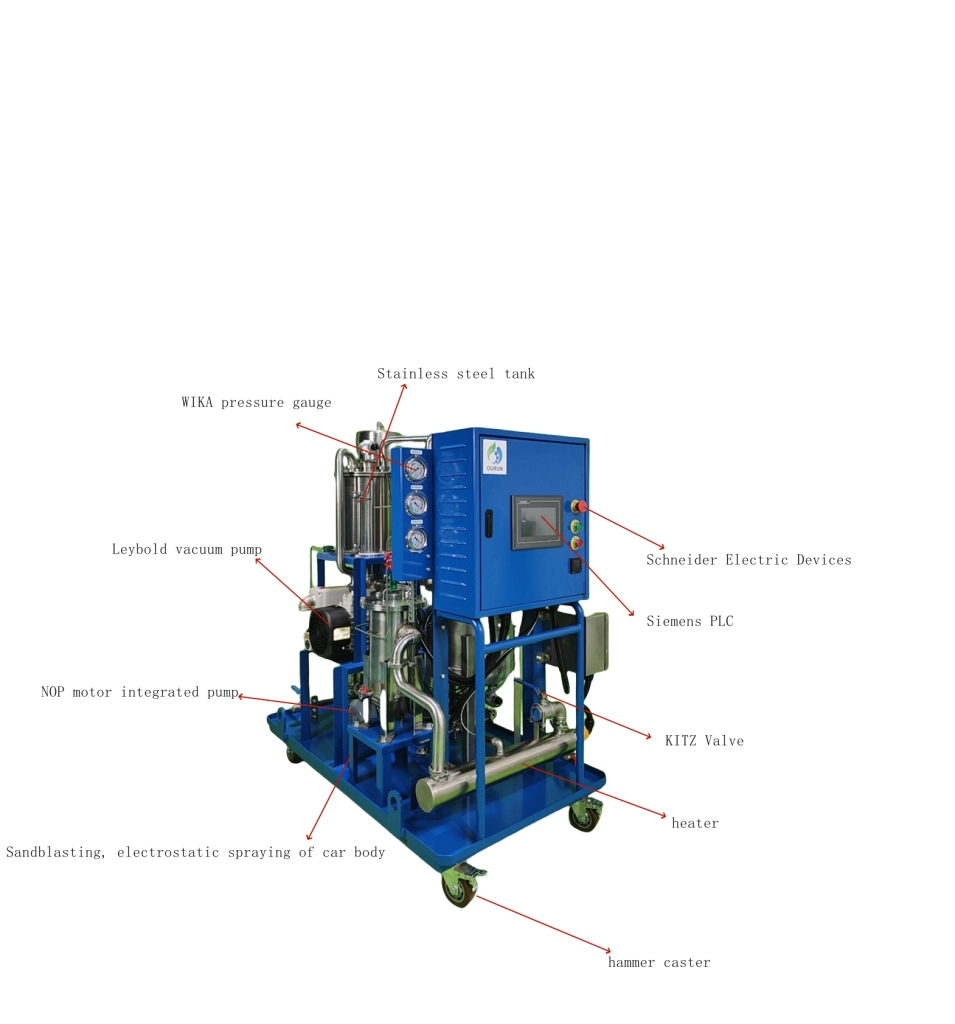
إذا كنت بحاجة إلى إزالة الماء من الزيت الهيدروليكي، فإن التحدي الحقيقي يتجاوز مجرد تجفيف السائل. ما تحاول فعله في الواقع هو منع التآكل المبكر للمضخة، ومنع التصاق الصمامات، وتجنب التوقف المفاجئ والمكلف أثناء العمل في المصنع.
أورون تعمل الشركة كمصنع متخصص بالكامل في معدات تنقية الزيوت الصناعية. وتتولى الشركة بنفسها البحث والإنتاج والدعم الفني لأنظمة الهيدروليك والتروس والتوربينات والمحولات والضواغط.
طواقم الخدمة الخاصة بهم يُخصص وقت لمساعدة مديري المصانع على مطابقة أبعاد الخزانات، ومستويات النظافة المستهدفة، وظروف الزيت الفعلية مع الآلات العاملة في الواقع. هذا النوع من المطابقة العملية بالغ الأهمية عندما يقف فريق الصيانة بجوار محطة هيدروليكية شديدة الحرارة، محدقًا في مقياس مليء بسائل عكر، محاولًا تحديد الخطوة التالية.
لماذا يكلف وجود الماء في الزيت الهيدروليكي أكثر مما يبدو؟
يشير وجود زيت حليبي في الخزان إلى مشكلة رطوبة واضحة. مع ذلك، حتى السائل الصافي تمامًا قد يخفي وجود رطوبة مذابة. قد يلاحظ مركز الصيانة وجود سائل داكن اللون بعد عامين من التشغيل، فيظن أنه بحاجة إلى تفريغ الخزان بالكامل.
في أحد سيناريوهات الميدان، أظهرت الاختبارات واقعاً مختلفاً تماماً:
-
ظلت قيمة الحموضة ثابتة تماماً.
-
كانت لزوجة السائل مناسبة تمامًا للاستخدام المستمر.
-
بقي تآكل شريط النحاس ضمن الحدود الطبيعية.
-
ومع ذلك، فقد وصل تلوث الجسيمات إلى مستوى خطير وفقًا لمعيار NAS 12.
أدى إجراء الاختبارات أولاً ومعالجة السائل إلى إنقاذهم من التخلص من مئات الجالونات من المخزون الأساسي الجيد تماماً.
الأضرار الخفية التي تلحق بمعداتك
يُدمر الماء طبقة الزيت الرقيقة التي تفصل الأجزاء المعدنية عن بعضها. وعندما تنهار هذه الطبقة، تحدث أمور سيئة بسرعة.
-
تبدأ المضخات الرئيسية بإصدار صوت أزيز وثرثرة عالية.
-
تتعطل صمامات المؤازرة باهظة الثمن أو تستجيب ببطء.
-
تعمل الرطوبة على تسريع الصدأ والأكسدة وتراكم الرواسب داخل الأنابيب بشكل كبير.
-
تتعطل المرشحات القياسية المدمجة في خط الإنتاج أسرع بكثير مما هو متوقع.
تُظهر بيانات التشغيل أن حوالي 80% من أعطال الأنظمة الهيدروليكية تعود مباشرةً إلى تلوث السوائل. ويمكن لبرنامج تنقية منتظم أن يقلل من وتيرة الإصلاحات بأكثر من 45%. باختصار، تشغيل سائل ملوث ورطب يكلف أموالاً أكثر بكثير من الحفاظ على سائل نظيف وجاف.
كيف يدخل الماء إلى النظام الهيدروليكي
يتنفس خزان الزيت الهيدروليكي كلما تغيرت درجة حرارة السائل. فمع تشغيل الآلات، يسخن السائل ويتمدد، دافعًا الهواء إلى الخارج. وعندما يبرد السائل بعد انتهاء نوبة العمل، ينكمش ويسحب الهواء الرطب المحيط إلى داخله. وفي المصانع التي تشهد انخفاضات حادة في درجات الحرارة بين الليل والنهار، يتكاثف البخار بكثافة على الجدران الداخلية ويتساقط مباشرة في خزان الزيت.
لا يقتصر الأمر على التكثيف فقط، فالرطوبة تتسلل عبر العادات اليومية غير المسؤولة. ومن بين نقاط الدخول الشائعة ما يلي:
-
تخزين البراميل نصف الفارغة في الخارج تحت المطر.
-
ترك الأقماع مفتوحة على طاولات العمل المتسخة.
-
استخدام عربات أو دلاء نقل غير نظيفة.
-
تشغيل المعدات ذات الأختام الأسطوانية البالية أو فتحات الفحص غير المحكمة.
-
مع تجاهل حشيات الخزانات المتدهورة وتسربات الثقوب الدقيقة في المبادلات الحرارية.
إذا تمكنت من إزالة الماء ثم عاد للظهور بعد أسبوع، فلا تُلقِ اللوم على جهاز تنقية المياه مباشرةً. عليك البحث عن مكان التسريب في الجهاز نفسه.
افحص الزيت قبل اختيار الطريقة
لا تنظر إلى اللون فقط. قبل أن تقرر بالضبط كيفية إزالة الماء، عليك أن تعرف نوع الرطوبة التي تحاول التخلص منها.
قد يُظهر فحص سريع لزجاجة المراقبة ما إذا كان السائل عكرًا أو رغويًا. وقد يؤدي فتح صمام التصريف السفلي جزئيًا إلى سقوط بركة من الماء الحر على الأرض. لكن هذه المؤشرات البصرية مجرد تقديرات تقريبية في أحسن الأحوال. لاتخاذ قرار صيانة سليم، قِس هذه المقاييس المحددة:
-
نسبة الماء الدقيقة بوحدة جزء في المليون.
-
درجة النظافة الحالية (مثل رموز NAS أو ISO).
-
لزوجة السائل ورقم الحموضة.
-
العلامات المبكرة للأكسدة أو استنفاد المادة المضافة.
يمكن أن تساعدك الملاحظات الفنية عادةً في تصنيف المشكلة حسب نوع الزيت المحدد، والمصدر المحتمل للأوساخ، والحجم الإجمالي للنظام.
اختر الطريقة المناسبة لنوع الماء
لا تتصرف جميع أنواع الرطوبة بنفس الطريقة في الخزان. عليك اختيار الأدوات المناسبة للمشكلة الفعلية.
-
المياه المجانية: ينفصل بسهولة ويسقط إلى أدنى نقطة في الخزان.
-
الماء المستحلب: يحوّل كل شيء إلى اللون الحليبي لأن قطرات الماء المجهرية تُحاصر في المعلق وترفض أن تترسب.
-
الماء المذاب: غير مرئي تمامًا للعين المجردة، ومع ذلك فهو يتلف المواد المضافة والأسطح المعدنية بقوة.
قد يلتقط مرشح الجسيمات القياسي القابل للدوران بعض برادة المعادن، ولكنه عديم الفائدة تمامًا ضد الرطوبة المذابة.
كيفية إزالة الماء من الزيت الهيدروليكي بالطريقة الصحيحة
1. قم بتصريف المياه الحرة أولاً
افتح الصمام السفلي لتصريف الماء الزائد في دلو. هذه الخطوة السريعة وغير المكلفة تمنع جهاز تنقية المياه من إضاعة ساعات في معالجة الرطوبة التي فصلتها الجاذبية بالفعل. تذكر فقط أن تصريف الماء من الأسفل ليس نهاية المهمة، فالماء الزائد ليس سوى جزء من مشكلة التلوث.
2. استخدم التجفيف بالتفريغ للماء المذاب والمستحلب
لإزالة الماء المختلط بعمق في السائل، يُعدّ التجفيف بالتفريغ الخيار الأمثل والأكثر واقعية في المصانع. فمن خلال سحب فراغ عميق، يُجبر هذا الجهاز الرطوبة المحتبسة على التبخر عند درجة حرارة أقل بكثير من درجة الغليان العادية. وهذا يعني أن الجهاز قادر على تجفيف كل شيء دون تسخين السائل. أما تعريض الزيت الهيدروليكي لحرارة عالية فسيؤدي سريعًا إلى تلف إضافاته باهظة الثمن.
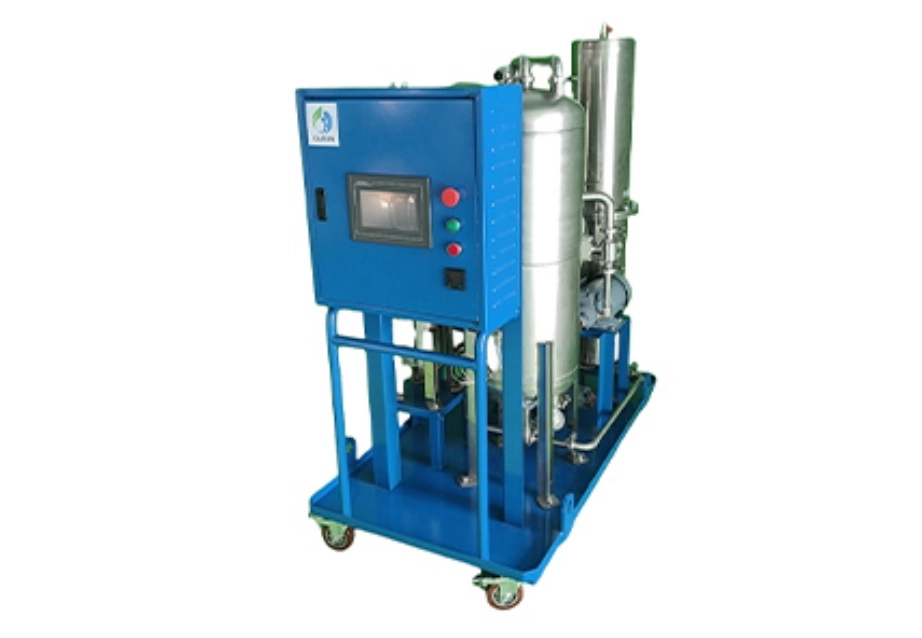
بالنسبة للمنشآت التي تحتاج بشدة إلى كل من التجفيف الشديد وإزالة الأوساخ الدقيقة للغاية، أورون-كورس-308C إنه يفي بالغرض تماماً. فهو يجمع بين التجفيف بالتفريغ والترشيح الميكانيكي الدقيق في جهاز واحد. وهذا يسمح له بمعالجة كل من الرطوبة وجزيئات الأوساخ الصلبة في نفس الوقت.
مقارنة نقاط بيانات المنتج
| مواصفة | أورون-كورس-308C | أورون-كورس-70 |
|---|---|---|
| إزالة المياه مجاناً | 100% | 100% |
| إزالة فقاعات الزيت | 100% | 100% |
| إزالة الماء المذاب | 80% | 80% |
| الرطوبة بعد العلاج | ≤50 جزء في المليون | ≤50 جزء في المليون |
| معدل التدفق | 30 لتر/دقيقة | 70 لتر/دقيقة |
| نظافة الترشيح | NAS1638 ≤5 | ليست نقطة الاختيار الرئيسية |
| اللزوجة المناسبة | ≤68 سنتي ستوك | 10–680 سنتي ستوك |
| حجم محطة النفط المطبق | محطات عالية النظافة | ≤18 m³ |
| مادة خزان / أنبوب التفريغ | الفولاذ المقاوم للصدأ 304 | الفولاذ المقاوم للصدأ 304 |
3. استخدم وحدة شفط أكبر لتسرب المياه الكثيف
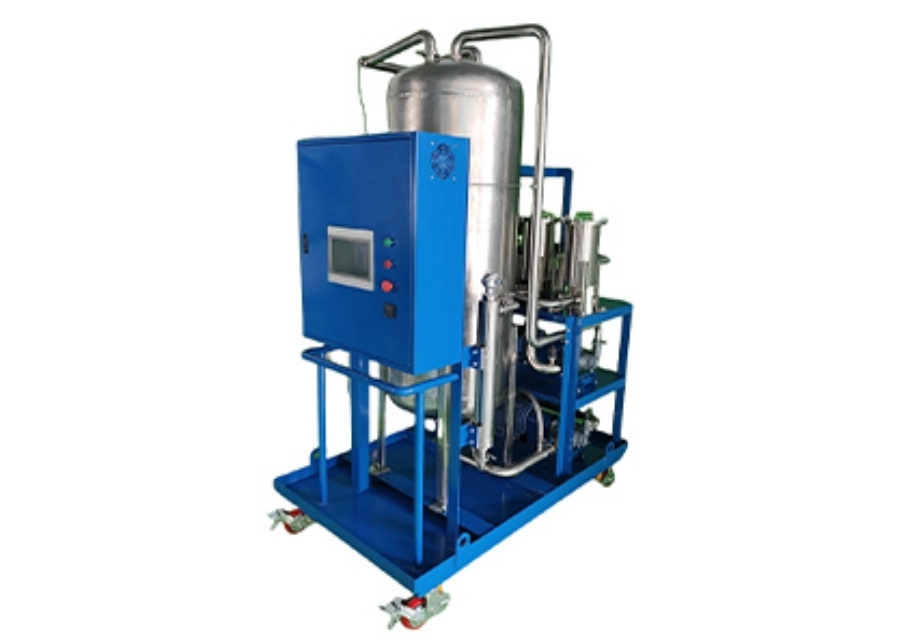
عندما يبتلع خزان ضخم كمية هائلة من المياه، تصبح قدرة المعالجة أكبر مشكلة تواجهك. قد ينجح جهاز تنقية صغير في النهاية، لكنه سيعمل بلا توقف لأسابيع. أما بالنسبة للخزانات الضخمة وفيضانات المياه الغزيرة، فإن... أورون-كورس-70 إنها أداة أفضل بكثير للتطبيق.
يُنتج هذا الجهاز تدفقًا قويًا يصل إلى 70 لترًا في الدقيقة. استخدم هذا الطراز عندما يكون الخزان ضخمًا، وعندما يكون تسرب الرطوبة أكثر وضوحًا من مجرد حادث بسيط في دلو واحد.
4. أضف ترشيحًا دقيقًا عندما تنضم الأوساخ إلى المشكلة
عادةً ما يختلط الغبار والماء معًا. نادرًا ما تتسلل الرطوبة إلى الآلة دون أن تجلب معها رقائق الصدأ، والرواسب الكثيفة، وبقايا التآكل المعدني. يُساهم تمرير السائل عبر نظام ترشيح دقيق في حماية المضخات باهظة الثمن، والمحامل الحساسة، والأختام المطاطية بعد أن تُجري حجرة التفريغ عملية التجفيف.
متى يجب عليك شطف المرحاض بدلاً من مجرد تنقية الزيت؟
تُؤدي عملية تنقية الزيت وظيفة رائعة في تنظيف السائل المتحرك بنشاط في الدائرة الرئيسية. لكنها تواجه صعوبة في تنظيف الأجزاء المسدودة، أو أنابيب بطول خمسين قدمًا، أو كتل الصمامات المعقدة.
إذا كان النظام مسدودًا برواسب سوداء كثيفة، أو طلاء متصلب، أو شظايا معدنية ناتجة عن عطل كارثي في المضخة، فإن مجرد توصيل جهاز تنقية لن يكون كافيًا. ستحتاج على الأرجح إلى إجراء تنظيف كيميائي عالي السرعة قبل أن تعود الآلة إلى الإنتاج الطبيعي. خذ عينة أخرى بعد الانتهاء من التنظيف للتأكد من نظافة الأنابيب بالفعل.
كيفية منع عودة الماء
الوقاية خير من العلاج. جرّب تبنّي هذه العادات اليومية في المصنع:
-
استبدل أغطية التهوية القياسية الرخيصة بأغطية تهوية عالية الجودة مزودة بمادة مجففة.
-
احرص على إحكام إغلاق جميع البراميل الاحتياطية، وخزّن مواد التشحيم بكميات كبيرة تحت سقف.
-
امسح أدوات النقل بقطع قماش نظيفة قبل كل استخدام.
-
تعامل مع أي إبريق بلاستيكي أو قمع معدني يلامس الزيت الطازج كما لو كان جزءًا داخليًا حساسًا للغاية من آلة. يجب أن يكون جافًا تمامًا وخاليًا من أي شوائب.
عوّد نفسك على فحص نسبة الرطوبة (جزء في المليون) وعدد الجسيمات بانتظام. يعتمد عدد مرات سحب العينة على مدى كفاءة عمل الجهاز. يساعدك تتبع الاتجاهات على رسم بياني بسيط في اكتشاف أي تسرب مائي صغير قبل أسابيع من تفاقمه.
الخلاصة: أزل الماء قبل أن يتحول إلى فاتورة إصلاح.
من السهل بشكل مدهش تجاهل الرطوبة الموجودة داخل خطوط الهيدروليك الخاصة بك حتى يتعطل صمام اتجاهي حرج مفتوحًا على مصراعيه في منتصف عملية الإنتاج.
الطريق الأكثر أماناً واضح ومباشر:
-
قم بسحب عينة مخبرية أولاً لمعرفة ما الذي تحاربه.
-
افتح الصمام السفلي لتصريف أي ماء زائد يمكنك تصريفه.
-
أحضر معدات التجفيف بالتفريغ والترشيح الدقيق للتنظيف العميق.
إذا كنت تحتاج فقط إلى إزالة الماء من آلة حقن بلاستيك صغيرة وحساسة للغاية، فقد تفي عربة تجفيف عادية بالغرض. أما إذا كنت تواجه مشكلة مع خزان ضغط ضخم، فستحتاج إلى توصيل جهاز شفط عالي التدفق والبحث عن مصدر التسريب الفعلي. للحصول على رأي ثانٍ بشأن مشروع معقد، أرسل مواصفات السائلقم بتزويدنا بحجم الخزان، وقراءات تركيز الأملاح في الماء، وأرقام النظافة المستهدفة من خلال صفحة الاتصال للحصول على مطابقة مناسبة للأجهزة.
أسئلة متكررة
س: هل يمكن لفلتر عادي إزالة الماء من الزيت الهيدروليكي؟
ج: صُمم مرشح الجسيمات الأساسي القابل للدوران لالتقاط جزيئات الأوساخ الصلبة فقط. فهو يسمح بمرور الرطوبة المذابة عبر وسائط الترشيح دون أي عائق. يمكن لعنصر امتصاص الماء التقاط قطرات الرطوبة الصغيرة، ولكن عادةً ما يكون تشغيل جهاز تجفيف كامل بالتفريغ هو الخيار الأمثل عندما يبدو السائل حليبيًا أو عندما تكون نسبة الماء فيه مرتفعة.
س: هل يجب استبدال الزيت الهيدروليكي بعد تلوثه بالماء؟
ج: ليس هذا هو الخيار الأمثل دائمًا. أرسل عينة إلى المختبر أولًا. إذا أظهر الاختبار إمكانية إعادة اللزوجة وقيمة الحموضة ومجموعة الإضافات الكيميائية إلى النطاق المستهدف المقبول عن طريق تمريرها عبر جهاز تنقية، فقد توفر آلاف الدولارات. أما إذا كان السائل محترقًا أو ملوثًا بسائل التبريد، فإن دفع تكلفة تفريغه بالكامل وإعادة تعبئته هو الحل الآمن الوحيد.
س: ما هي أفضل طريقة لإزالة الماء من الزيت الهيدروليكي في خزان كبير؟
ج: عند التعامل مع خزان مياه ضخم، ابدأ دائمًا بفتح فتحة التصريف السفلية لتفريغ أي ماء زائد ظاهر. بعد التخلص من الماء الزائد، قم بتوصيل جهاز تجفيف بالشفط عالي الأداء ذي قدرة تدفق كافية لمعالجة هذا الحجم الهائل من الماء. استمر في فحص تركيز الأملاح ومستويات الأوساخ، ولا تفصل الجهاز حتى تستقر هذه القيم تمامًا أثناء تشغيله تحت الحمل الطبيعي.


