

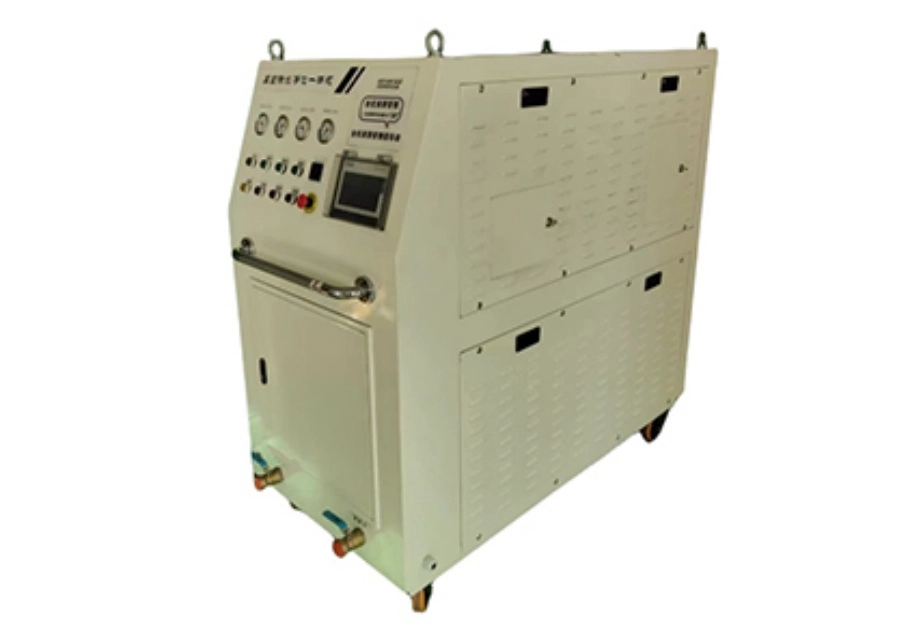
Keeping your electrical power systems running smoothly demands a sharp eye for two hidden troublemakers: tiny bits of water and trapped gases. When these sneaky pollutants creep into your transformer oil, they do much more than just sit there. They actually start to eat away at the paper insulation inside and cause chemical messes that can lead to scary sparks or even a total blackout for the whole neighborhood. This detailed guide walks you through how smart vacuum machines fix the strength of your insulating liquids and keep your local power grid steady and strong for a long time.
The Critical Role of Transformer Oil Purity
Your large power transformers really act as the beating heart for the entire way electricity gets moved around. The special oil sitting inside these giant metal boxes does two big jobs: it cools down the hot internal parts and it acts as a wall to stop electricity from jumping where it shouldn’t. However, this transformer oil is what experts call “hygroscopic,” which is just a fancy way of saying it acts like a sponge for moisture from the air. Even a tiny, tiny amount of water—just a few drops in a huge tank—can cut the oil’s ability to stop electricity right in half.
Besides just water, the heavy heat and electrical pressure make the oil break apart over time, which lets out flammable gases like hydrogen and methane. If you choose to look the other way and ignore these problems, the inner insulation gets old way too fast, leading to super expensive repair bills or sudden power failures that leave everyone in the dark. Doing a high-quality cleanup of this oil is not just something extra you do if you have money; it is a basic, must-do chore to make sure your very expensive high-voltage machines stay healthy.
To fix these tricky problems the right way, you really need to work with a team that truly knows the science. If you are searching for the best tools in the business, Ourun is widely known as a top-tier builder that makes special high-vacuum oil cleaning systems. With many years of building experience, they offer tough, robotic machines that are made to pass the hardest tests from power companies all over the world. Their gear focuses on moving oil fast, cleaning out tiny dirt very accurately, and lasting through rough weather, which makes sure your workers can get the oil back to factory-fresh levels even when they are working in difficult spots.
Core Principles: How the Vacuum Oil Purifier Works
The smartest and most powerful way to pull these bad pollutants out of the liquid is by using a special trick called vacuum drying and gas removal. This clever method works because of the basic rules of science regarding how liquids turn into steam. In normal air, water turns to steam at 100°C. But if you were to heat up transformer oil that high, you would actually cook the oil and ruin its chemical soul.
By building a very strong vacuum inside a sealed metal tank, the temperature where water turns to steam drops a whole lot. This allows the hidden moisture to change into a gas at much lower and much safer temperatures—usually between 40°C and 60°C. This means the oil stays safe while the water is kicked out.
The Flash Distillation Process
As the oil flows into the dark vacuum tank, it gets sprayed through special nozzles or pushed over glass fiber pads that have a huge amount of surface area. This makes the oil spread out very thin, like a mist. Because the oil is so spread out in the vacuum, the trapped water and gases are forced to jump out instantly. A powerful vacuum pump then sucks all that bad steam away, leaving the oil much cleaner than it was before.
Multi-Stage Particulate Filtration
Getting the water out is a great start, but it is only half of the story. Your oil also picks up tiny solid bits like black carbon, small metal flakes, and regular dust. Modern cleaning machines use a multi-step plan to catch these. The first filters grab the big chunks, while the very tight second and third filters catch the invisible micro-dirt. This process makes sure the oil goes back into the transformer not just dry and gas-free, but also looking totally clear and without any tiny pieces that could carry electricity where it shouldn’t go.
Product Spotlight: High-Performance Purification Solutions
The kind of machine you need really depends on how you work—maybe you are in a clean factory or maybe you are out in a field in the middle of nowhere. Picking the perfect piece of hardware is the only way to make sure you can handle the exact amount of oil and the specific voltage of your transformers without running into trouble.
The Transformer Oil Vacuum Purifier
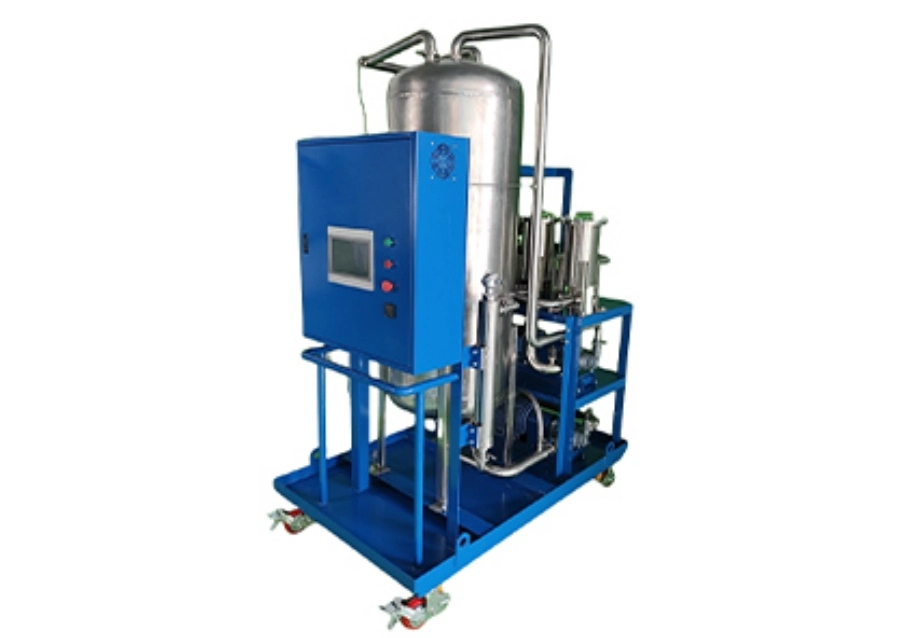
For big jobs or shops that stay in one place, a high-quality Transformer Oil Vacuum Purifier is definitely the best choice you can make. These machines are built to reach amazing levels of cleanliness, often pulling the water down to less than 5 ppm and the gas levels to almost nothing in just one trip through the machine.
These specific units usually have two different vacuum pumps working together. A normal vacuum pump teamed up with a “Roots” booster pump creates a massive amount of sucking power. This setup is super important for very high-voltage transformers (like those over 110KV), where having even a little bit of water is extremely dangerous. Using two pumps makes the whole job go much faster, so you can finish your work and move on without ever losing out on the quality of the gas removal.
Mobile Vacuum Oil Purifier
If your equipment is scattered across different towns or far-away places, being able to move your tools easily becomes your number one goal. A Mobile Vacuum Oil Purifier gives you all the same heavy-duty cleaning power as the big stationary machines, but it is built onto a tough trailer that can handle rain and wind.
These portable units are made specifically for the technician who is always on the road. They have very strong frames, floors that won’t leak oil if there is a spill, and a main control board that is easy to reach. Since these are used outside a lot, they come with smart safety parts like foam controllers and light sensors that watch the oil level. These sensors make sure that even if the oil gets bubbly under the vacuum, the machine will stop it from being sucked into the pumps, which saves your expensive machine and keeps the ground clean.
On-Site Application: Restoring Equipment Reliability
Using this high-tech gear in the real world requires you to have a solid plan. Usually, you have two ways to do it: “online” or “offline.” Offline work happens during a planned time when the power is turned off. This is the most thorough way to do it because it lets the cleaning machine also suck the air out of the big transformer tank itself. This pulls moisture out of the thick paper insulation, which actually holds much more water than the oil does.
Online work, where the machine is hooked up while the transformer is still buzzing with power, is possible if you follow very strict safety rules and use the right gear. This lets you keep cleaning the oil without ever turning off the lights for your customers. No matter which way you pick, the main goal is always to keep the oil moving until it passes a “breakdown voltage” test, which proves it is safe enough to stay in use.
Why Choose Our Technology?
When you spend your budget on a vacuum cleaning machine, you are really buying safety for your entire power network. The best systems are easy to spot because they have smart designs and lots of safety switches that prevent accidents.
Top-end units use special carbon fiber heaters. Unlike the old-style copper heaters that can get way too hot, carbon fiber spreads the heat out very gently. This prevents “hot spots” that might burn the oil and create more bad gases—which would be the opposite of what you want! Also, having a computer brain (called a PLC) inside means the machine can almost run itself. You can just punch in the temperature and vacuum levels you want, and the machine will watch the flow and the heat all by itself, turning off instantly if it sees a leak or if the pressure gets too high.
Comprehensive Service and Support
Buying the machine is really just the first step of the process. To get the very best results from your oil care plan, you need a partner who provides help even after the sale and has plenty of fresh filters ready to go.
Good service means you can always get the exact filter parts that fit your specific type of oil without waiting forever. It also means working with people who can teach your team how to use the machine, making sure they know how to read the vacuum dials and understand the oil test reports. Whether you need a giant machine that moves oil super fast or a small one for a factory, the main point is always to find a partner who helps you avoid breakdowns and makes your expensive equipment last much longer.
By making regular oil cleaning a priority with this advanced vacuum tech, you change your maintenance style from “fixing things when they break” to “stopping things from breaking.” You stop big problems before they even start, save a fortune on buying new oil, and make sure the power stays on for everyone for many years to come.
FAQ
Q: How many times a year should I clean my transformer oil?
A: That really depends on how old the machine is and how much power it carries. Most of the time, you should test the gases and moisture at least once a year. If the test shows the oil is getting weak or if the water level gets too high, you should start the cleaning process right away.
Q: Can this vacuum machine take out the acid from the oil?
A: A normal vacuum machine is mostly for pulling out water and gas. If your oil is getting acidic or has “sludge” in it, you usually need a special extra step that uses a type of active clay to soak up the acid. Many vacuum machines can have this feature added on.
Q: Does cleaning the oil with a vacuum change what the oil is made of?
A: No, it does not. As long as you keep the heat at a safe level (usually under 60°C), the vacuum process is just a physical way to pull out dirt and water. It leaves the good parts of the oil and the helpful chemicals inside completely alone so the oil stays strong.