Engine oil is really important for keeping engines happy and running well. It reduces rubbing, cools down parts, and catches dirt so engines work better and last a long time. Things like dust, water, or fuel can ruin the oil, making parts wear out faster and the engine less powerful. Awesome oil purification tricks, like deep filters, vacuum drying, or special cleaning stuff, take away these bad bits. This keeps the oil in tip-top shape, cuts down on rubbing, keeps…
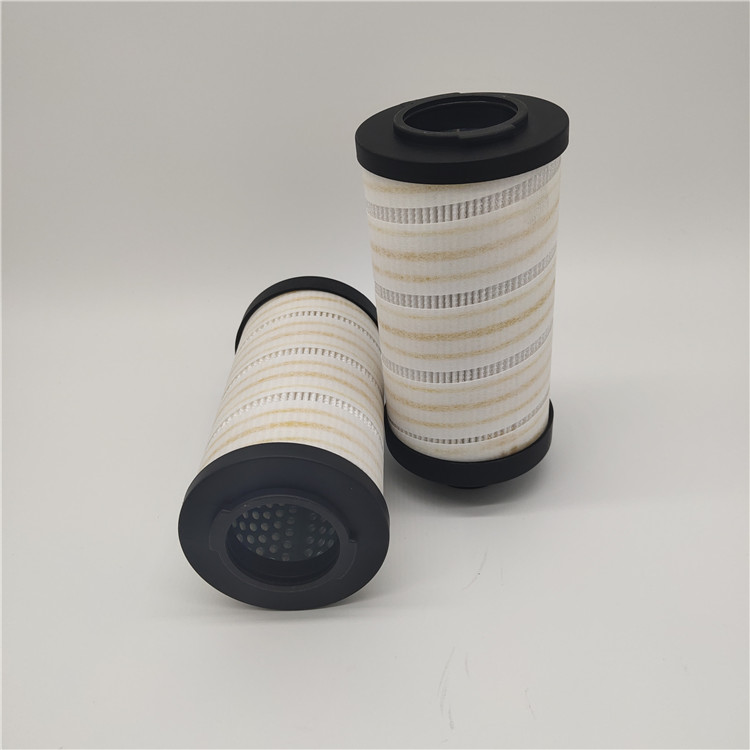
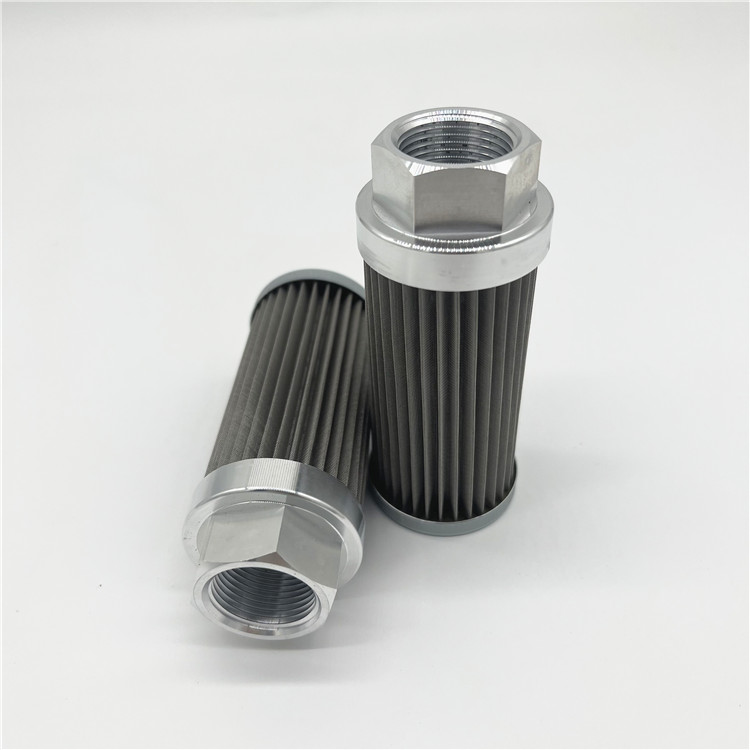
All the Different Filters We Make We've got a lot of different filters to fit what various industries need. Let's take a look at what we have: Oil Filters: Keeping Oil Clean for Machines Oil is like the blood of many machines – it keeps all the parts moving smoothly. But if the oil gets dirty with dirt or little metal bits, it can mess up the machine. That's where our oil filters come in. We make all kinds of…
All Kinds of Filter Products We Make We’ve got a lot of different filters to meet the needs of various industries. Let’s take a look at what we offer: Oil Filters: Keeping Oil Clean for Machinery Oil is like the blood of many machines – it keeps parts moving smoothly. But if the oil gets dirty with bits of dirt or metal, it can damage the machine. That’s where our oil filters come in. We make all sorts of oil…
This article compares oil centrifugal filters and centrifugal separators, describing how they work, their designs, uses, and how well they perform. Oil centrifugal filters spin fast to remove dirt from oil, making them great for engines. Centrifugal separators, however, split apart mixed liquids, like water and oil, in factories. Both use spinning force, but separators often have extra steps for tougher jobs. Oil centrifugal filters need little upkeep, while separators might need more care but can handle bigger amounts of liquid. Choosing between them depends on what dirt you’re removing, running costs, and how long they last. The article also suggests products and standards for best results. What Are the Fundamental Principles of Operation? How Does an Oil Centrifugal Filter Work in Practice? An oil centrifugal filter spins dirty oil quickly to separate unwanted bits using spinning force. The oil goes into a spinning drum. Heavier stuff, like metal bits, soot, or other solid junk, gets thrown to the drum’s sides and sticks there. Cleaner oil stays near the middle and flows out through a special exit. This tool uses centrifugal…
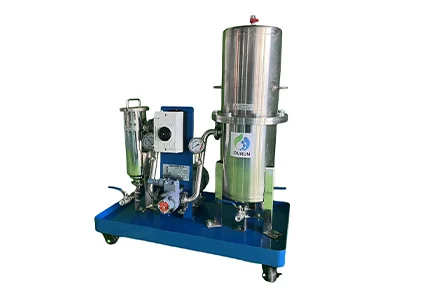
Machines need to stay in great condition to work well in factories and workshops. Oil is really important. It keeps machine parts moving smoothly and stays cool. But oil can get messy with things like dirt, water, or gas over time. This can harm machines. That’s why an oil purifier machine is so helpful! It cleans oil, makes equipment last longer, and saves money on repairs. This article talks about how an oil purifier machine works, its benefits, and why it’s awesome for keeping machines running well. What Are Oil Purifiers? An oil purifier machine is a cool tool that cleans oils used in machines. It removes junk like dirt, water, and gases. Messy oil can cause trouble, like machines breaking down or wearing out quickly. Types of Oil Purifiers There are a few types of oil purifier machines, each perfect for different tasks: Centrifugal Oil Purifiers: These use fast spinning to push dirt out of oil. The oil spins quickly, so heavy stuff like dirt goes to the edges, and clean oil stays in the center. Vacuum Oil Purifiers:…
Oil purification machines, such as the OURUN-KORS-308C and OURUN-KORS-70, play a vital role in helping industrial equipment last longer and stay operational. These systems clean oil by removing harmful stuff like water, air, and dirt. They use smart methods like vacuum dehydration, degassing, and multi-stage oil filters. This prevents wear and tear, hydraulic issues, and electrical failures in oils. The benefits are clear: lower repair costs, longer-lasting oil, and meeting high cleanliness standards like ISO/NAS. From power plants to factories, these machines work nonstop, often with IoT for smart maintenance. With models built for different oils and tough conditions, oil purification cuts downtime, supports eco-friendly practices, and saves money. What Happens When Oil Gets Dirty in Industrial Equipment? Dirty oil is a big problem for machines that rely on lubrication or hydraulic systems. Water, air, and tiny particles sneak into oil from the environment, worn parts, or during repairs. These contaminants speed up rust, weaken oil additives, and make oil less stable. As a result, machines wear out faster, rust forms, valves act up, and systems can fail. The OURUN-KORS-308C is…
What Contaminants Threaten Oil Systems in Industrial and Automotive Applications? Lubrication systems in factories and cars face many harmful substances. These include solid bits like metal scraps or dust, water, air bubbles, and sticky sludge. In heavy-duty settings, like big presses or diesel engines, even tiny specks can harm the oil layer between moving parts. This causes faster wear and less efficiency. Water is especially bad. It makes oil rusty, forms sludge, and creates acid. Air bubbles cause damage by making tiny explosions in the oil. So, the filtration system must tackle all these problems, not just solid bits. How Does Oil Filtration Preserve Lubrication System Integrity? Filtration does more than clean oil. It protects the whole system. By keeping oil clean to meet standards like ISO or NAS, filtration ensures oil stays smooth, stays cool, and keeps its special additives working. A good filtration system stops parts from breaking early. It removes rough particles that can scratch pumps and valves. It also lets oil last longer before needing a change. This saves time and money on repairs. What’s…
1 The Domino Effect of a 200-ton Haul Truck Failure Loss model: Transport chain disruption from single equipment downtime Gearbox teardown: Correlation between gear pitting and metal debris 2 Cleanliness-to-Cost Translation Profit table: ISO 4406 18/16/13 → 16/14/11 upgrade Industry consensus: 30% lifespan increase per cleanliness level 3 4D Oil Health Management System Combined online particle counter + ferrography diagnostics Case: Copper mine reducing spare parts by ¥17M annually