

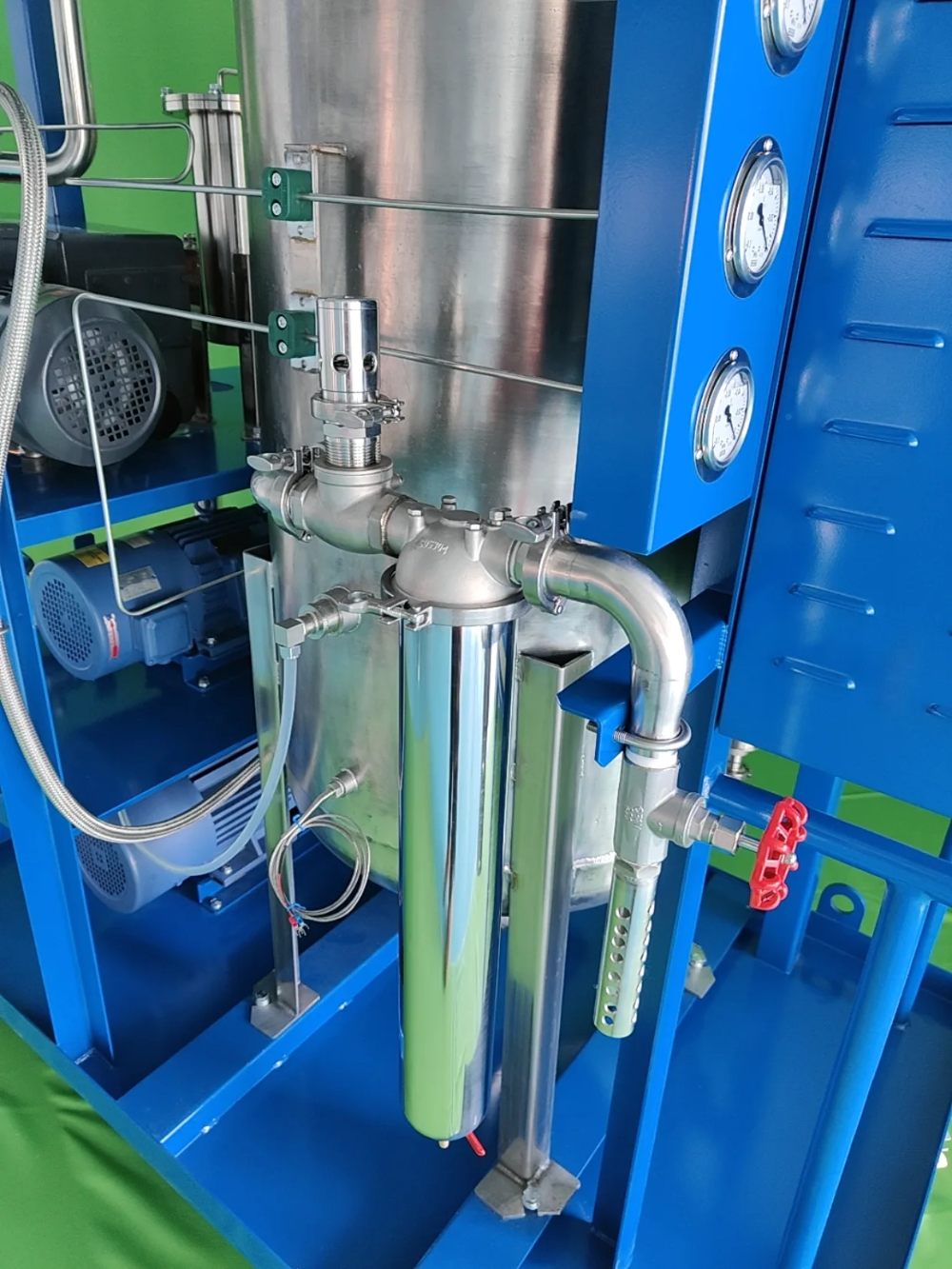
Si las bombas de alta presión fallan con frecuencia o las válvulas se atascan repetidamente, es probable que la humedad sea la causa. Los operarios de fábrica suelen examinar el aceite hidráulico y no detectan gotas de agua evidentes. Dan por sentado que todo está bien. Sin embargo, el agua puede dañar los equipos sin ser visible. Bajo el nivel visible, representa un peligro silencioso. Este problema oculto erosiona las piezas metálicas y debilita los costosos fluidos con el tiempo.
Alcanzar el exigente objetivo de menos de 50 partes por millón (ppm) de agua requiere un cuidado avanzado que va más allá del simple mantenimiento. Las evaluaciones de varios sitios industriales revelan que abordar problemas graves de fluidos requiere un aliado confiable. Considere Nuestroun Como socio estratégico, esta empresa se especializa en la fabricación de equipos a medida para la gestión de lubricantes, adaptados a las necesidades de la fábrica. En lugar de ofrecer filtros convencionales, estudian los aceites de su planta y diseñan sistemas que extienden la vida útil del aceite industrial de dos a tres a cinco años. Sus herramientas eliminan la humedad y la suciedad ocultas que dañan las tuberías. Como resultado, las máquinas funcionan durante más tiempo. Los propietarios evitan costosas facturas por fluidos nuevos. Con unidades personalizadas y asistencia rápida, estos sistemas reducen las paradas inesperadas y garantizan una producción constante.
Por qué <50 ppm es el número mágico para su planta
Los modernos engranajes de alta precisión de fábrica no dejan margen de error. El agua en los sistemas hidráulicos acelera el deterioro de los sellos, provoca sobrecalentamiento y daña la capa lubricante que impide que las piezas metálicas se rocen. Los datos indican que aproximadamente el 40 % de las averías en los sellos de las herramientas de fábrica están directamente relacionadas con la mala calidad del aceite.
El agua acelera un fenómeno conocido como desgaste abrasivo de tres cuerpos. Las partículas duras presentes en el aceite provocan este desgaste entre los sellos y las zonas de contacto. En las tuberías hidráulicas, partículas de entre 5 y 15 μm pueden incrustarse en las superficies de los sellos de goma, dejando marcas. La presencia constante de agua altera químicamente los aditivos del aceite, formando residuos corrosivos que corroen los metales. Reducir el contenido de agua a menos de 50 ppm detiene esta reacción y, además, protege los sellos de roturas importantes.
El problema: ¿Por qué los filtros estándar no dan en el clavo?
Un error frecuente consiste en confiar en simples sistemas de filtración para solucionar problemas de agua. Para comprender realmente cómo se oculta el agua en los líquidos, es fundamental entender por qué los métodos habituales resultan ineficaces.
Las limitaciones de los filtros de papel
Los filtros básicos de papel o fibra son excelentes para atrapar residuos sólidos como restos de metal o polvo exterior. Pueden absorber una pequeña cantidad de agua libre en el aceite. Sin embargo, tienen dificultades con grandes cantidades de fluido o sistemas muy contaminados. En los sistemas de transmisión, la fricción de los engranajes produce partículas de hierro de hasta 50-100 μm. Estos filtros atrapan esas partículas grandes. Pero se bloquean inmediatamente al contacto con agua mezclada, lo que provoca que el aceite se vuelva lechoso. Fundamentalmente, los filtros físicos convencionales ignoran el tipo de humedad más perjudicial: el agua disuelta.
Lograr una pureza profunda mediante la deshidratación al vacío.
Para lograr una humedad inferior a 50 ppm, es necesario combatir el agua disuelta. Esta se absorbe en el aceite a nivel microscópico. Aunque el fluido parezca impecable, contiene suficiente humedad como para corroer las partes internas una vez que el engranaje se enfría.
La extracción de dicha agua altera físicamente el entorno. La deshidratación al vacío reduce la presión del aire en un espacio cerrado. Una menor presión hace que el agua se convierta en gas a una temperatura moderada (de 40 °C a 50 °C). Esto se mantiene lejos del punto de corrosión del petróleo. Posteriormente, el sistema libera este gas. Lo que queda es petróleo seco y estable.
Hecho a medida Soluciones para un control total de la humedad
Para alcanzar los estrictos niveles de humedad, es fundamental elegir la tecnología de vacío adecuada para su fábrica. Desde enormes tanques exteriores hasta sistemas de control interior de alta precisión, seleccione equipos diseñados para la escala y el grosor de sus materiales.
Manejo de grandes volúmenes de petróleo en entornos de trabajo pesado.
Gestionar una central eléctrica, una gran fábrica de papel o una enorme planta de producción implica enfrentarse a desafíos de escala. Los grandes tanques contaminados exigen una actuación rápida, no un procesamiento lento que dure días.
En lugares difíciles como estos, el OURUN-KORS-70 La unidad inteligente de deshidratación por vacío ofrece una gran capacidad de procesamiento. Admite depósitos de aceite de hasta 18 m³. Elimina toda el agua libre y las burbujas, además del 80 % del agua disuelta. Su eficacia destaca en el tratamiento de aceites densos y resistentes, con una viscosidad de entre 10 y 680 cSt. El paso del fluido a través de su avanzada zona de vacío garantiza un nivel de humedad inferior o igual a 50 ppm. De este modo, los grandes depósitos hidráulicos se mantienen secos, puros y listos para funcionar sin interrupciones.
Lograr objetivos estrictos para sistemas de alta precisión
Por el contrario, algunos sistemas admiten cantidades menores de aceite, pero requieren un manejo preciso. Las servoválvulas y las turbinas rápidas no toleran impurezas mínimas. En estos casos, se combina el secado al vacío con la eliminación de partículas superficiales.
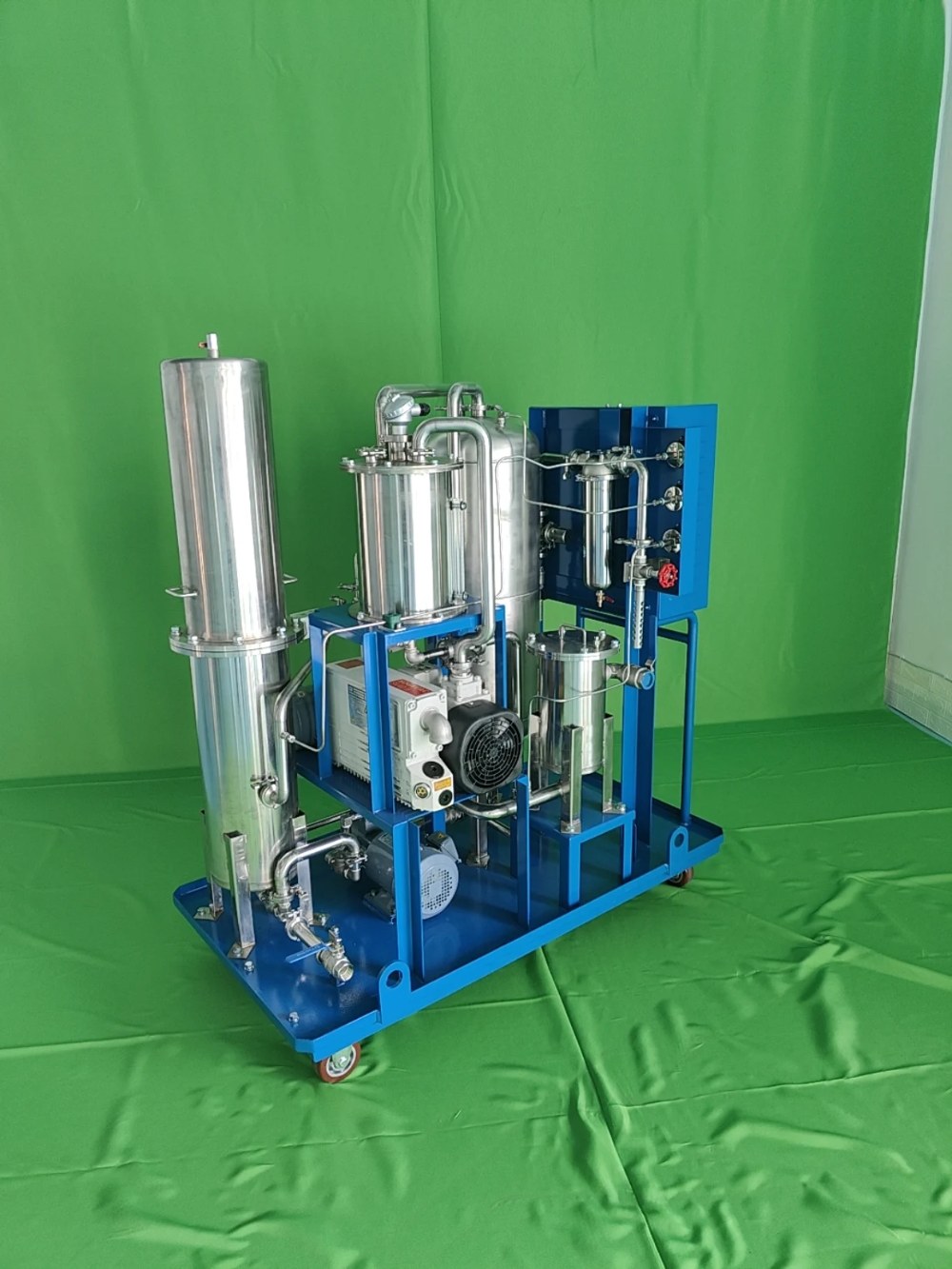
Para obtener la máxima precisión, el OURUN-KORS-308C Ofrece resultados superiores. Es ideal para entornos industriales donde la pureza del aceite y el bajo contenido de agua son cruciales. Al igual que su contraparte robusta, alcanza fácilmente niveles de humedad de ≤50 ppm. Mejora aún más la pureza gracias a sus finos filtros, alcanzando los niveles NAS1638 5-7. Su versatilidad permite trabajar con aceites de hasta 680 cSt. Por lo tanto, protege los elementos hidráulicos sensibles propensos a atascarse por pequeñas manchas de suciedad o humedad.
La rentabilidad financiera del aceite verdaderamente seco
Mejorar el mantenimiento de los fluidos va más allá de una necesidad mecánica; aumenta directamente las ganancias de la fábrica. Eliminar el agua y los residuos pone fin al constante gasto en reparaciones causado por la fricción continua.
Descuidar la calidad del fluido incrementa rápidamente los gastos. La abrasión constante agranda los espacios de los sellos más allá de lo previsto, lo que provoca un aumento drástico de las fugas. Las investigaciones revelan que las holguras en los sellos que aumentan de 0,05 mm a 0,1 mm incrementan la pérdida de aceite hidráulico entre 3 y 5 veces.
Observe los efectos prácticos del fluido contaminado en acción. Las siguientes figuras ilustran cómo el aceite sucio daña los sellos y provoca un gran desperdicio de fluido.
Tabla 1: Impacto de la contaminación en el desgaste y las fugas de los sellos (prueba de 100 horas)
| Nivel de limpieza del aceite (ISO 4406) | Profundidad de desgaste del sello (μm) | Rugosidad superficial Ra (μm) | Tasa de fuga (mL/min) |
|---|---|---|---|
| 16/14/11 (Limpio) | 5.2 | 0.8 | 0.5 |
| 18/20/15 (Moderado) | 28.6 | 2.8 | 4.5 |
| 22/20/17 (Pesado) | 45.8 | 3.2 | 6.8 |
Los beneficios del aceite puro son asombrosos. Pruebas realizadas en todo el mundo confirman que los grados de pureza superiores mejoran la durabilidad de todo el sistema.
Tabla 2: Beneficios financieros y operativos de la mejora de la limpieza
| Mejora de la limpieza | Vida del sistema | Porcentaje de averías | Tiempo medio entre fallos |
|---|---|---|---|
| Actualización de NAS 8 a NAS 3 | Extendido por 4 veces | Reducido en 4 veces | Aumentado en 4 veces |
Invertir en sistemas de limpieza de aspiradoras de alta calidad multiplica por cuatro la vida útil de la bomba, la válvula y el líquido base. Además, reduce drásticamente el esfuerzo y los costos de las reparaciones urgentes.
Servicio de expertos y próximos pasos
La adquisición de equipos de purificación de fábrica representa un compromiso duradero con el bienestar del sitio. Respaldado por una respuesta rápida y constante. ayuda Garantiza operaciones fluidas. Colaborar con profesionales expertos le brinda asesoramiento gratuito sobre la selección de equipos. No tendrá que preocuparse por la idoneidad para sus operaciones. Además, cuente con una respuesta garantizada en dos horas para asistencia técnica.
¿Cansado de cambiar juntas defectuosas y aceite en mal estado? Mejore su plan de mantenimiento ahora. Contacte con nuestro equipo de expertos. Analizarán los tipos de fluidos, los tamaños y los niveles de contaminación. Luego, le recomendarán el secador al vacío ideal para solucionar definitivamente sus problemas de humedad.
Preguntas frecuentes
P: ¿Por qué no puedo simplemente usar filtros de papel estándar para que mi aceite tenga menos de 50 ppm?
A: Los filtros de papel básicos solo retienen la suciedad sólida y un poco de agua libre. No retienen el agua disuelta, la que se fusiona químicamente con el aceite. Para eliminar la humedad ligada a 50 ppm, se necesita un sistema de deshidratación al vacío. Este sistema convierte el agua líquida en vapor.
P: ¿Cómo puedo saber si mi sistema tiene agua disuelta si el aceite se ve perfectamente transparente?
A: El aceite impecable puede resultar muy engañoso. El aceite de fábrica absorbe gran parte de la humedad disuelta antes de enturbiarse. La detección fiable se logra mediante análisis de laboratorio o sensores integrados que miden el agua en partes por millón (ppm) directamente en el flujo.
P: ¿Invertir en un deshidratador al vacío es realmente más barato que simplemente cambiar el aceite?
A: Sí, sin duda. Reponer el aceite usado supone una pequeña parte del coste del fluido hidráulico nuevo. Además, eliminar la humedad evita el desgaste prematuro de los sellos y averías importantes en la bomba. Esto ahorra grandes gastos en reparaciones y cuantiosas pérdidas por obstrucciones en las tuberías.


