

Water shows up in every compressed air system no matter what. When air gets squeezed, its heat goes up and it can carry more dampness; yet as that same air passes through after-coolers and pipes, it starts to cool off. This cooling makes water vapor turn into actual liquid drops. You might think this is just a small side effect, but that overlooked water can cause real harm to your priciest equipment. If you fail to get rid of this liquid right away, it slips into your oil paths, which can lead to total breakdown in the system. Putting in an automatic condensate drain serves as the main way to handle oil system maintenance in today’s setups, making sure moisture does not get a chance to mess up your work.
The Destructive Science of Oil Emulsification
To keep a strong industrial space running well, you need to understand how water mixes with lubricating oils. When liquid water gets into a lubricated compressor or a hydraulic line, it does not just stay at the bottom. The fast-moving parts like rotors and pistons work like a big mixer, blending the water and oil into one. This forms a heavy, cloudy mix called an emulsion.
Emulsification spells trouble for exact machines. Once your oil turns into this emulsion, it drops its thickness and cannot form a good shield between metal parts that move. This causes more rubbing, which builds up too much warmth. On top of that, this gunky stuff blocks inside paths and stops oil filters from working right. By the point you see the oil change color, the harm to bearings and seals inside has usually started. To dodge this problem, you must act ahead by pulling out moisture before it reaches your lubricant.
Why Your System Demands an Intelligent Dielectric Drainage System
Basic drainage tools often fall short because they ignore what is really happening in your pipes. Lots of places use timed solenoid valves that open on a schedule even if no water exists. This throws away useful compressed air and sometimes misses water on days with high dampness. To guard your money well, you require a fix that checks exactly when to drain.
Ourun serves as a top choice in managing industrial fluids, with a focus on clean air and long-lasting oil. With years of real-world know-how, the group builds tools that cut out mistakes by people and save energy. They go beyond selling pieces; they offer the backup you need to avoid surprise stops in your plant. Their skills help spot the exact issues in your process—like gunk from water or filters wearing out too soon—and fix them with tough, clever tech that earns back its cost through lower energy use and fewer fixes.
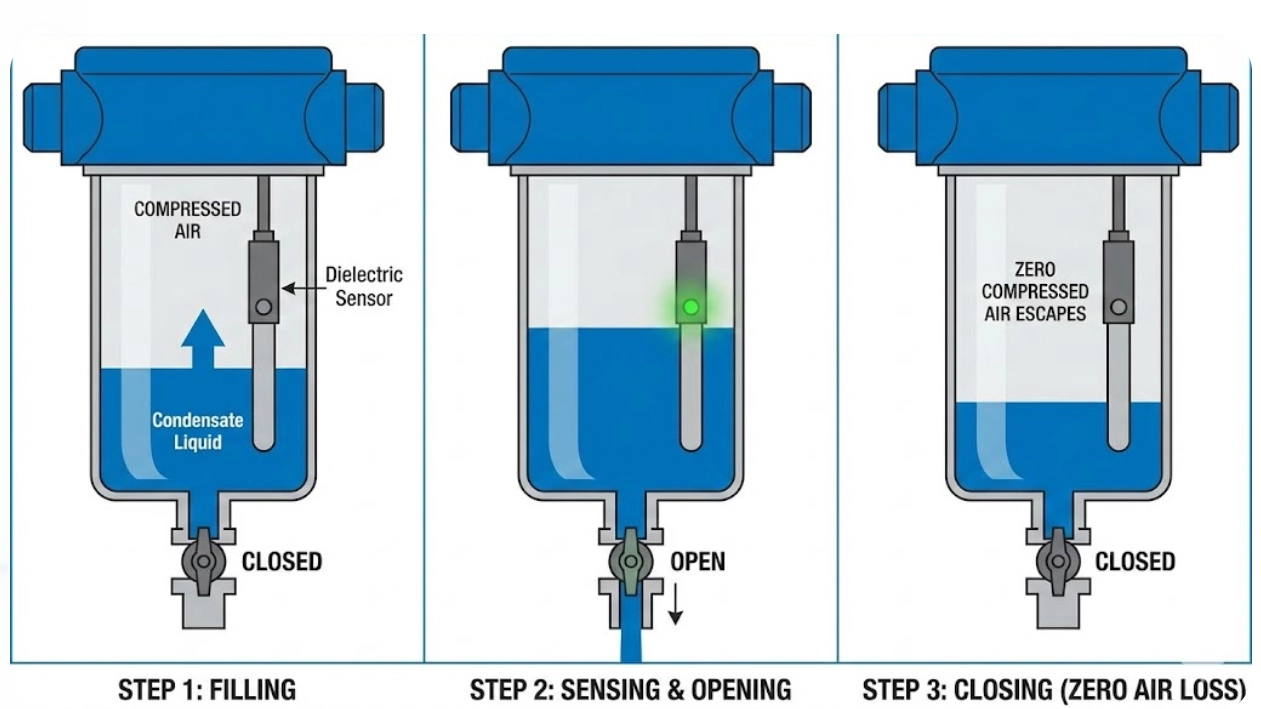
If you face the danger of oil mixing with water, the Intelligent Dielectric Drainage System stands as the best way to manage condensate. This setup uses special sensors that tell apart compressed air from liquid. Since it opens only when the holding area fills with liquid, there is no loss of air at all. Even better, its build handles the cloudy oil-water blends that usually block cheaper float drains. By getting rid of these unwanted things fast, the system keeps your main oil line dry and working properly.
The Long-Term Economics of Professional Oil System Maintenance
Adding smart drainage to your plant is more than a simple improvement; it acts as a smart money plan. When you stop moisture from building up, you lengthen the time between checks on your machines. Good synthetic oils cost a lot, and water ruins them first by breaking down their makeup and creating acids.
By keeping a dry setup, you hold onto the true nature of your lubricants. This lets you operate your equipment for more time without changing oil and cuts down on the waste oil your site makes. Plus, pulling out water stops rust and buildup from forming in your pipes. Bits of rust turn into scratchers that can rip seals and valves. A dry setup stays clean, and a clean setup brings in profits.
The Failure of Manual and Timed Drainage Methods
Counting on hand-operated valves or simple timers risks the life of your gear. Hand draining relies fully on how careful your workers are, and in a packed factory, it often gets overlooked first. Just a short time without draining on a wet day can let buckets of water enter your air tanks and oil pipes.
Timed valves bring their own issues. During cold months, they may open with no water there, wasting costly compressed air and raising your power costs. In warm months, the set time might not happen often enough for extra moisture, letting it spill back into the system. You need a setup that changes with your surroundings right then, letting out only what must go and shutting before air gets out.
Ensuring System Health Through Service and Professional Consultation
The road to a steady, water-free system goes beyond buying one item. It calls for looking at your whole air-and-oil setup. Each plant deals with its own dampness amounts, pressure needs, and run times. To make the best use of your drainage tools, find a helper who gives full tech help and custom tips.
Expert care makes sure your drain spots sit in the right places—at the after-cooler, the tank for air, and the filter cases—to catch as much liquid as possible. Pros can adjust your systems for certain dirt levels and give the upkeep needed to keep sensors clear and true. When you choose a full team over just an item, you get the calm feeling that your oil systems stay safe around the clock.
FAQ
Q: How does an automatic drainer prevent oil from turning milky?
A: Oil turns milky when it mixes with water in a process called emulsification. An automatic drainer removes liquid water from the compressed air system before it can travel downstream and enter the oil-lubricated parts of your compressor or machinery, effectively stopping the emulsion from forming at the source.
Q: Will an intelligent drainage system save money on my energy bills?
A: Yes. Unlike traditional timed drains that vent compressed air (which is expensive to produce), an intelligent dielectric system uses sensors to ensure it only opens when water is present. It closes before any air can escape, maintaining system pressure and reducing the workload on your air compressor.
Q: Can these drains handle oil-contaminated water?
A: High-quality intelligent drains are specifically designed to handle condensate that contains oil. Their non-clogging internal structures and advanced sensors can detect and discharge thick, contaminated mixtures that would typically cause mechanical float drains to stick or fail.