

Factory lubrication setups deal with a quiet, clingy foe that usual upkeep steps frequently ignore. If you manage careful machines, you may have seen your servo valves jamming or your cooling units not holding steady warmth even after normal oil swaps. These troubles seldom come from basic grime. Rather, they arise from a chemical leftover called varnish. To guard your spending and keep work time steady, you have to go past old mechanical screens and accept the strong features of careful tech.
The Invisible Threat: Why Your System is Sticking
Varnish forms as a slim, unmixable layer when oils face heat or air strain. Unlike solid bits like metal scraps or grit, varnish begins as a yielding, charged dirt. In its mixed form, it stays hidden from plain sight and slides right through common screens. Yet, as the oil chills or meets pressure falls—everyday events in servo valves and bearing spots—this stuff settles from the mix.
When you notice a dark brown, tea-style mark on your metal areas or a heavy, mud-like cover on your valve parts, you are seeing the real sign of varnish. This layer raises drag, holds other solid rough bits, and works as a barrier that stops your oil from chilling well. Since it bonds chemically as polar, it sticks to metal spots with strong grip, making it almost impossible to clear with standard ways.
Why Conventional Filtration Fails to Protect Your Assets
Most upkeep groups count on mechanical screening set at 10 or 25 microns. While these do well at grabbing “solid” dirts that lead to quick mechanical cuts, they lack the basics to manage “yielding” dirts like varnish. A regular screen acts like a net; if the bit fits smaller than the gap, it passes. Because varnish bits are usually below a micron when mixed, they move around without trouble.
On top of that, if you only swap the oil without fixing the varnish already stuck on the inside pipes and tanks, you are just handling the surface issue. New oil serves as a cleaner. The second you add fresh oil to a “varnished” setup, the new oil starts to melt the old layers. In just a few hundred hours of work, your just-bought lubricant gets full and starts to break down too soon. This loop of “empty and refill” stands as a costly and weak plan for today’s fast-running systems.
Precision Solutions: Introducing Ourun Technology
To stop the loop of breakdown, you require a setup made just for tiny-level washing. Ourun has built special gear that tackles the main reason for oil failure. By aiming at the chemical form of the oil instead of only physical junk, our tech makes sure your lubrication setup stays in top shape.
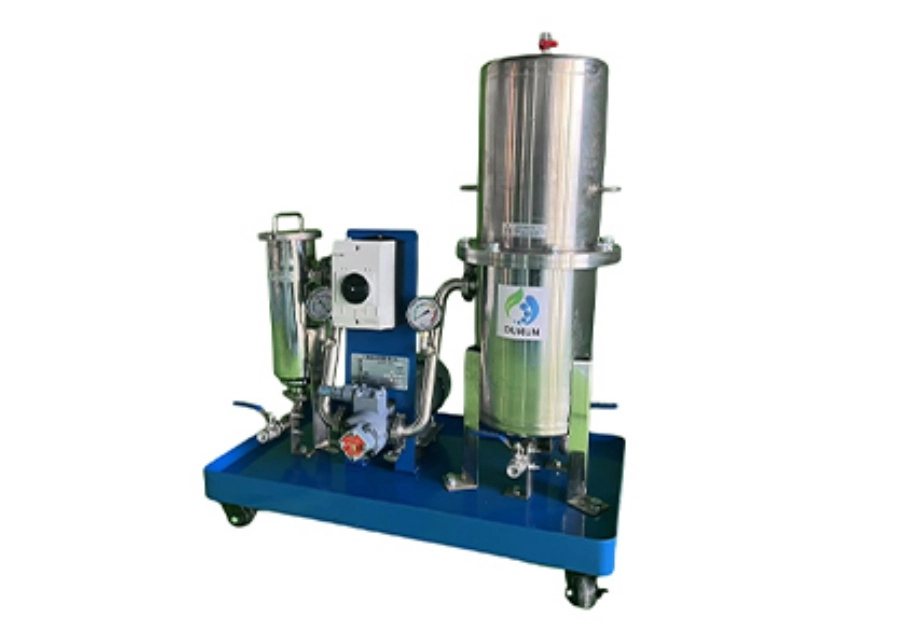
A key item in this fight is the IOP series precision oil purifier. This gear uses deep-layer screening and special materials to catch air reaction leftovers that usual screens skip. It runs on a “kidney-loop” idea, which means it keeps pulling oil from your tank, handles it, and puts it back in the tank. With time, this step drops the varnish chance in the oil to a level where the oil truly starts to “wash” the inside metal areas of your machine, melting current layers and holding them in the purifier’s big-capacity parts.
Strategic Deployment of Filtration Equipment
At times, your wants do not limit to one steady tank. In big factories with many hydraulic parts or power spots with far-off places, easy moving matters a lot. When a machine shows hints of slow action or extra warmth, you need a fast fix tool that you can take to the spot right away.
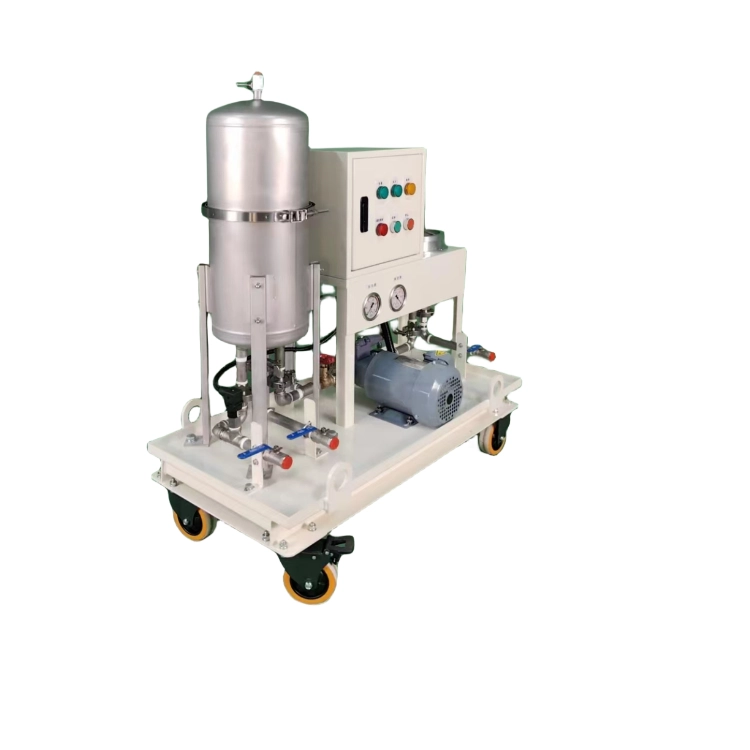
For those cases, we suggest the Mobile Precision Oil Purifier. This movable unit gives the same high care as our fixed systems but with the freedom to cover your whole site. By linking this unit to a setup in trouble, you can stop an urgent halt. It works especially well for “smoothing” oil in a planned upkeep time or as a forward step when oil check reports show a climbing MPC (Membrane Patch Colorimetry) number.
The Science of Adsorption and Deep Cleaning
How does ourun gear do what others miss? The key sits in pulling. While mechanical screens “sort” bits, our careful materials use chemical draw to take charged varnish bits out of the oil. This counts because it handles the varnish when it still sits in its yielding, mixed form—before it gets a shot to harden on your servo valves.
By keeping the oil at a below-micron clean level, you truly shift the balance of the setup. Instead of the oil dropping “sludge” onto your machine, the super-clean oil works like a soap. This “smoothing” result brings back the first gaps in your careful parts, letting your servo valves shift with the quick second accuracy they were built for. It also pulls the blocking layer of varnish from your cooling units, usually leading to a big fall in work warmth.
Achieving Tangible Returns on Your Maintenance Investment
Putting money into careful screening means more than just clean oil; it means the money well-being of your work. When you clear varnish, you gain several quick upsides:
Cut Part Costs: You will swap fewer pumps, bearings, and valves that would get wrecked by drag or blocking otherwise.
Less Power Use: Clean setups run cooler and with smaller mechanical push, right away lowering your electric or fuel spend.
Longer Oil Time: Instead of swapping your oil each year, careful washing can stretch the life of your oils by three to five times, greatly trimming your risky waste clear fees.
Higher Output: The biggest win is wiping out surprise stop time. One day of missed work often costs more than the price of a good oil washer.
These gains add up quickly in busy settings. For example, in a typical factory, unplanned stops can eat up thousands of dollars per hour. By using tools like the IOP series, operators report fewer breakdowns and smoother daily runs. This leads to happier teams and steadier profits over time.
Moreover, clean oil means less need for emergency fixes. Workers spend more time on productive tasks instead of troubleshooting sticky valves or hot spots. Over a year, this shift can save a company significant amounts in labor costs alone.
Professional Service and Technical Support
We know that each factory spot differs. A power plant’s turbine oil needs other things than an injection forming machine’s hydraulic fluid. That is why ourun gives more than just tools. We offer a full help pack that covers oil checks and expert talks.
Before we pick a machine, we check your oil state now. We examine MPC numbers, bit counts, and air reaction levels to find the true amount of varnish fill. Our design group then aids you in adding our washers into your current work flow, making sure your workers can run the gear with trust. Our promise is to make your setup hit the top NAS or ISO clean marks and hold them there.
This support extends to training sessions for your staff. We explain how to monitor oil health and spot early signs of trouble. In addition, we provide ongoing advice to adjust the system as your operations change. This hands-on approach ensures long-term success and minimal disruptions.
Final Thoughts and Contact Information
Varnish poses a tricky issue, but it is not a hopeless one. By shifting from after-trouble upkeep to a forward careful screening plan, you can shield your most touchy gear from the hidden risks of oil air reaction. Whether you want the big, lasting guard of the IOP series or the handy, move-around power of our mobile units, we hold the tech to keep your work flowing even.
If you now face jamming valves, warm systems, or oil that darkens fast, it is time to better your screening plan.
Reach our group now to chat about your exact troubles and get a made-to-fit price for your site.
Our team responds quickly to inquiries and can arrange a free consultation. This helps you understand how our solutions fit your needs without commitment. Many clients start with a simple assessment and see results in weeks.
FAQ
Q: Can I remove varnish by simply performing a high-velocity oil flush?
A: A high-velocity flush can remove loose debris and some surface deposits, but it is rarely effective at removing the chemically bonded varnish layers. Furthermore, flushing does not address the dissolved varnish precursors in the oil. To truly clean the system, you need a precision purifier that can continuously remove polar contaminants over an extended period, allowing the oil to naturally dissolve and lift the varnish from the metal surfaces.
Q: How do I know if my system has a varnish problem before a failure occurs?
A: You should look for specific warning signs: a brown or gold tint on sight glasses and valves, oil temperatures that are 5-10 degrees higher than usual, and sluggish response from hydraulic actuators. The most reliable method is a Membrane Patch Colorimetry (MPC) test. Standard oil analysis often misses varnish; you must specifically request an MPC test to measure the varnish potential of your lubricant.
Q: Is precision filtration expensive to maintain compared to standard filters?
A: While the initial cost of precision filter elements may be higher than low-grade “rock catchers,” the total cost of ownership is much lower. Precision elements have a much higher dirt-holding capacity and, more importantly, they prevent the massive costs associated with valve replacement and lost production. By extending the life of your oil and your machinery, ourun equipment typically pays for itself within the first year of operation.