

Keeping the good shape of your systems that push fluids and those that make things slide is an ongoing fight against a foe you can’t see. A tool may look like it runs fine on the outside, but inside its parts face billions of tiny bits of dirt all the time. To deal with this danger, folks in the field use the ISO 4406 rule, which sets a common way to say just how pure your oil needs to be so big breaks don’t happen. This standard helps plants and shops know when their fluids are safe, and it guides choices on tools and checks to keep machines going strong without surprise stops that cost time and cash.
Meet Your Partner in Fluid Cleanliness: Ourun
Before we get into the details of counting those bits, you need to know who helps you along the way. See us not only as a maker of gear, but as your own team for making sure fluids stay reliable. At Ourun, we have put in years working in tough spots of big work sites, from power spots to places that shape metal, fixing the sand and mud problems that worry fixers late into the night. We go beyond just handing out parts; we make a sure word that your tools will keep going longer and with less waste. We have made the skill of cleaning oil so good that what others call normal is just our starting point, not the end. When you team up with us, you get a group that sees your oil as the key flow that keeps your work alive, and we handle it with the careful touch it needs. This close work often starts with talks about your setup, leads to plans that fit just right, and keeps going with checks and tips that help you build better ways to watch and clean, so your whole operation runs smoother and faces fewer issues down the line.
The Code of Precision: Breaking Down ISO 4406
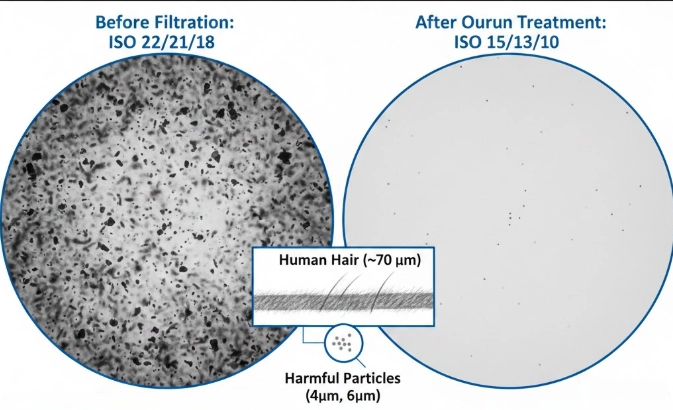
To get a good view of how well your oil is doing, you have to go beyond what your eyes can catch. People can usually spot bits bigger than 40 microns, but the gaps in strong push valves are often just 2 to 5 microns wide. So the worst dirt is what hides from sight. This mismatch shows why simple looks fool us, and why real checks matter to spot the small threats that build up slow but hit hard on parts like seals and slides.
The ISO 4406 gives a set of three numbers, like 18/16/13, to show the dirt level in one small drop of fluid. These stand for bits over 4 µm, 6 µm, and 14 µm. Each jump in the count means twice as many bits. For instance, going from 18 to 19 doubles the bits in your flow. When you aim for a lower set of numbers, you cut down on how often parts get tired, spots wear on surfaces, and fine mud piles up to jam valves. In daily runs, this means your pumps and motors last longer, need less fix work, and keep the lines moving without the extra dirt that speeds up rust or sticks moving bits.
Shifting from a lot of dirt to a steady clean level takes more than a basic screen; it calls for a full plan to handle the fluid step by step. This plan includes picking the right tools, setting check times, and training teams to follow the flow, so the whole system stays in balance and avoids the ups and downs that lead to weak spots or early swaps.
The Role of Precision Oil Purifiers as Your Cleanliness Engine
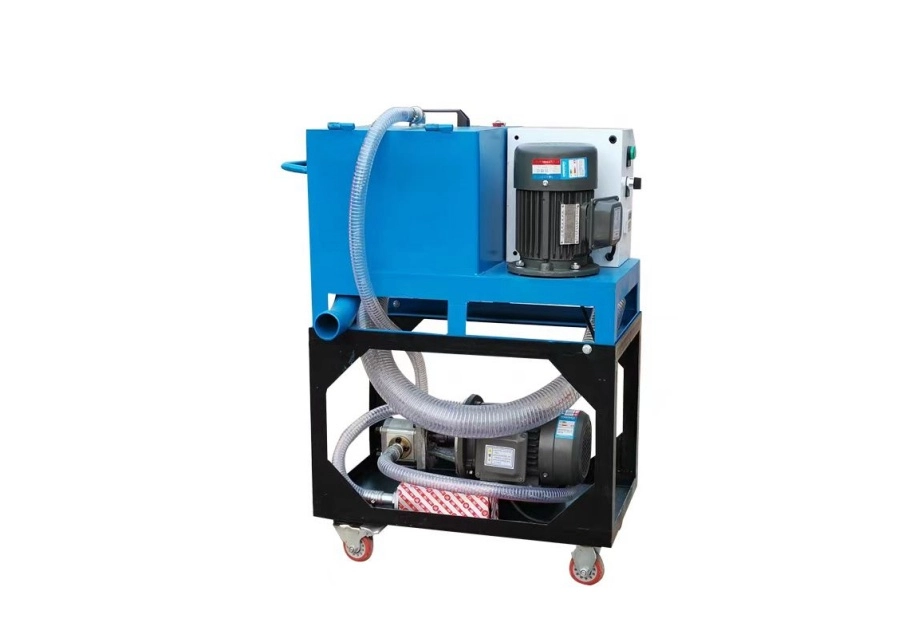
A Precision Oil Purifier works like a cleaning unit for your factory tools. Basic filters on the machine grab big junk to stop quick breaks, but they miss the fine clean-up needed to hit low ISO 4406 marks. These purifiers step in to handle that extra job, pulling out even the small bits that basic ones leave behind, and they do it without slowing the main work.
Such machines use steps to tackle different kinds of dirt. First parts take out big solid bits, and last parts go after the tiny ones under a micron. Many also deal with water and air, which speed up oil getting old and sour. By keeping the oil moving through a special clean path all the time, you make sure what comes back to the tank is much purer than what went out, and over time it hits a steady point that meets or beats what makers ask for. This loop not only cleans but also helps the oil stay fresh longer, cutting how often you need new batches and lowering the waste that comes with dirty flows in busy plants.
Picking the best machine is part of it, but the real split of clean from dirty happens in the screen stuff. This inside work is key, as it decides how well the whole setup keeps your fluids safe and your tools running without the hidden wear that builds from unchecked bits.
Advanced Media: The Science Within Precision Filter Elements
The main part of any clean system is the screen piece. When you check Precision Filter Elements for Hydraulic, Lubrication & Industrial Applications, you see a web of threads made to grab as much as possible. These aren’t plain, but built with care to fit tough jobs in mills or power lines.
Basic wood or paper screens can’t match these; the top ones use glass threads that are thin and even, giving more small holes. This lets the screen hold more junk while letting oil flow free. In use, this balance keeps pressure steady, avoids clogs that stop work, and handles the daily load without quick fails.
One key number to watch is the Beta Ratio (β). A good screen has β ≥1000 at a set micron, say 3 microns. That means out of 1000 bits that size going in, just one gets through. This high catch rate, at 99.9%, lets you bring your ISO 4406 from a risky 22/20/17 to a clean 15/13/10. These screens take high push changes, so the caught dirt stays put and doesn’t slip back to hurt your key parts. Teams find this reliable, as it cuts check times and builds trust in the flow, leading to plans that stretch part life and ease the load on fix crews.
The gear gives the power, but to win over time you need to change how you watch your fluid goods. This shift turns what was a cost into something that pays back through less down time and smarter buys.
Strategic Implementation: Moving from Crisis to Control
Hitting a set ISO number isn’t a quick fix; it’s a loop of care that goes on. Start with a base check from pros on your oil. Once you know the dirt now, pick a goal for your pickiest part, like servo valves or strong pumps. This base lets you see progress and adjust steps to fit what your setup needs most.
To make it work, put in the right screen pieces and use side clean paths while the machine runs. This extra filter line works on its own, cleaning steady even when the main tool rests. By watching push drops over screens and taking small samples now and then, you build a full check loop. This forward way stops the bad chain where bits make more wear junk, which adds even more dirt. In plants, this means fewer surprise stops, better use of time, and records that help spot patterns early, so you stay ahead of issues before they grow big.
This full way changes oil from something you use up fast into a lasting good, but you don’t need to walk this tech road by yourself. Help from those who know makes the path clear and the wins real.
Expert Support and Technical Partnership
The path to meeting ISO 4406 goes easier with know-how from pros. Our help beats just sending a package; we give the facts you need to make your spot the best it can be. If you work with thick gear oils or safe push fluids that won’t burn, we pick the right thread mix and machine set to get results. This custom touch fits your exact flow, from small lines to big setups, and keeps things running without guesswork.
We bring full backing like matching screen pieces to old ones, full checks of your system, and fixes for dirt that won’t quit. Our aim is to turn your spend on screens into real gains in run time and lower fix costs. Over years, this builds a strong link where we share updates on new ways, train your team on best steps, and help grow your care plan as your work changes, so you always have clean flows that support steady output and safe days.
Contact Ourun Today
If you want to take charge of your oil purity and guard your tools from the inside, we stand ready to lend a hand. Get in touch with our tech group to talk about your setup and let us build a screen plan that gives you full say over your ISO rules. This chat can lead to quick wins like sample checks or full installs, and we make sure every step fits your goals for less risk and more steady work.
FAQ
Q: How often should I check my oil’s ISO 4406 code?
A: For critical systems, a monthly analysis is recommended. For less sensitive industrial applications, quarterly testing is usually sufficient, provided you have a consistent filtration strategy in place. This mix lets you watch close where it counts most, while saving time on spots that run steady, and it builds a habit of care that spots changes early for quick fixes.
Q: Can I achieve a low ISO code just by changing my standard filters more often?
A: Usually, no. Standard filters are often too coarse to capture the silt-sized particles (4 µm and 6 µm) that drive ISO codes. You need high-efficiency precision elements to effectively “polish” the oil to those lower levels. Basic swaps help with big junk, but for the fine bits that wear parts slow, you need the strong grab of top screens to keep counts low and flows clean over long runs.
Q: Will precision filtration remove the additives from my oil?
A: No. Additives are chemically dissolved in the oil at a molecular level, which is much smaller than even a 1-micron filter. Precision filtration removes solid suspended contaminants and water without stripping the essential chemical properties of the lubricant. So your oil keeps its helpers for rust stop and slide, while losing the bad stuff that harms the mix, leading to longer life and better work in valves and gears.