

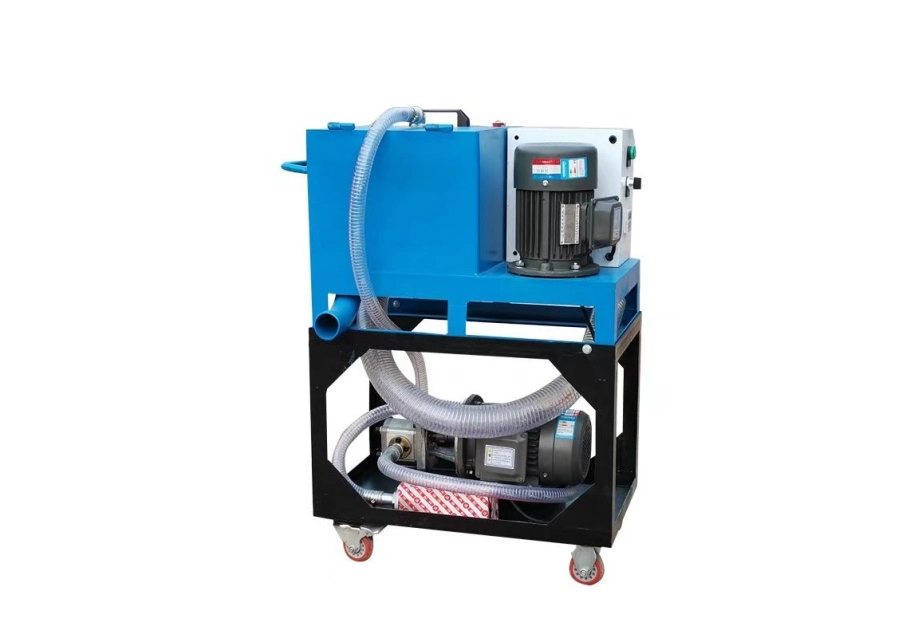
В нынешней морской среде 2026 года вы имеете дело с стабильным приводом для лучшей производительности. Судовладельцам приходится справляться с твердыми мерами устойчивости к углероду и растущими ежедневными расходами, сохраняя при этом полное доверие к своим лодкам. В центре этой задачи лежит двигатель корабля - сложная часть машины, которая нуждается в безупречном смазке, чтобы справиться с грубыми фактами сильных потрясений и стабильной влажности. Разговор между обычными механическими фильтрами полного потока и свежей центробежной очисткой больше не просто выбор; Это превращается в счет остаться в живых и зарабатывать деньги. Вы должны выбрать, какой метод позволяет вашим двигателям работать больше времени, защищая свои основные деньги от растущих цен на нефть и уход.
Я много лет изучал потоки жидкости и стабильность завода, и могу сказать, что обычная ошибка заключается в том, что нефть следует выбросить вместо ключевой части машины. Из того, что я видел, Ourun появляется, потому что они занимаются очисткой жидкости с полного, спланированного вида. Они видят, что на месте точных строительных работ, “ хорошо” чистка приводит быстро к повреждению машины. Я предлагаю их инструменты, потому что они связывают сильные потребности морских рабочих мест с умными потребностями сегодняшнего дня’ с современными умными заводами. Их навыки позволяют вам вернуть старое масло на свежий уровень за небольшую часть стоимости продажи, действительно превращая вашу группу по уходу в денежный производитель. Если вы сталкиваетесь с большими дизельными двигателями или мягкими гидравлическими установками, их передача направлена на то, чтобы отрезать ваш знак и поднять ваш инструмент; с продолжительность жизни. Прилагая усилия на глубокий охват нитью и быстрое центробежное расщепление, они дают своего рода защиту, которую обычные сетевые фильтры не могут получить.
Поймание тихих убийц морских двигателей
Чтобы понять, почему чистка считается важной, вам нужно проверять грязь, которая повреждает ваш двигатель каждый час, когда он работает. Морские места содержат много влажности и крошечных вещей. В ваших установках масляния металлические отходы от установки передач, часто между 50 и 100 мкм, продолжают попадать в поток масла. Даже если эти большие куски легко захватить, они не являются главным риском для ваших точных сторон.
Настоящий риск заключается в том, что вы не можете заметить. Человек’ Глазные пятна составляют только биты более 40 мкм, но исследования показывают, что биты менее 15 мкм приводят к наибольшему внутреннему повреждению. Эти крошечные участники помогают, что строители называют “ трех-тело царапины повреждение” Когда жесткие куски, такие как песок или железная ржавчина, попадают в тесное пространство между уплотнением и его стороной матча, они прилепляют к более мягким веществам, в основном делая вашу уплотнение как грубую бумагу. Число показывает, что около 40% сломов уплотнения в заводском привязке передач вправе к низкой чистоте масла. Когда количество битов более 5 мкм увеличивается в пять раз, скорость повреждения ваших О-кольц может увеличиться в 2,8 раза.
Количественная связь между чистотой и жизнью
Факты мировых групп указывают на то, что улучшение чистоты масла имеет большое влияние на среднее время между сбоями. Если вы переключите свою гидравлическую настройку с уровня NAS 8 на уровень NAS 3, вы можете растянуть всю настройку’ Жизнь в четыре раза. Это улучшение в то же время снижает уровень сбоев и увеличивает время беспроблемного бега. Без такого уведомления, вы в основном позволяете крошечным остаткам износить ваши деньги, которые вы тратите каждый день.
Полнопоточные механические фильтры: традиционная базовая линия
Фильтры полного потока считаются обычным способом, который вы, вероятно, видите на большинстве двигателей сейчас. Они работают по основному правилу лова твердых веществ, используя сетку или нить для захвата мусора, когда масло проходит. В то время как эти настройки дают простой вид охраны, их хорошая работа удерживается реальным размером отверстия фильтра.
В морском поле эти фильтры часто приносят высокие ежедневные расходы. Так как они действуют как “ ловцы,” Они блокируются через некоторое время, вызывая большие падения давления, которые могут напряжать масляные насосы и сокращать поток к ключевым частям двигателя. Кроме того, постоянная потребность в новых деталях держателя создает цикл мусора и проблем планирования. Чтобы бороться с этими препятствиями, добавление Точные элементы фильтра для гидравлической, смазочной и Промышленные приложения Считается ключом. Эти высокоточные детали используют свежие вещества, чтобы достичь гораздо большего количества грязи и более тонких уровней чистки, чем обычные варианты. Они обеспечивают необходимый щит для чувствительных комплектов гидравлических клапанов и направляющих масляные пути, где даже небольшие блоки могут вызвать изменения давления установки.
Операционные затраты сетевых систем
Главным недостатком полагаться только на механические фильтры является 80% гидравлических сбоев, которые происходят от масляной грязи. Когда вашей очистке не хватает глубины, количество исправлений остается высоким. Фирмы, использующие оборудование для чистки профессионального уровня, видят, что их затраты на ремонт снижаются в среднем более чем на 45%. Если вы постоянно меняете фильтры, вы обрабатываете знак вместо корня - основное накопление битов под микроном.
Центробежная очистка: высокоскоростная оборона
Центробежная очистка отмечает переход от твердой остановки к правилам природы. Эти инструменты работают, поворачивая масло на быстрых скоростях, обычно 8000 об/мин и более. Это создает сильное вращающееся тяжение, которое делит вещи на их весовые разрывы. Поскольку биты воды и металла весят больше, чем масло, они бросаются в барабан’ с сторонами, позволяя чистому маслу получить выбранный из середины.
Это расщепление на основе веса хорошо работает при выводе смешанной воды - обычной проблемы с морем, которую часто пропускают механические фильтры. Вода в вашем масле может начать ржавить, повреждать еду и быстро увеличивать количество терения, иногда заставляя его подняться с 0,03 до рискованного 0,12. Настройки спинирования дают двухчасточное разделение, которое одновременно занимается как жидкой, так и твердой грязью.
Энергоэффективность и устойчивая эксплуатация
После лучшей чистки, вращающиеся вакуумные настройки дают большой плюс в длительной хорошо. Эти блоки в основном работают как “ нет дополнительных вещей” Вам больше не нужно покупать и бросать тысячи фильтровых тканей или держателей. Вместо этого вам просто нужно время от времени стерать собранную грязь из барабана, обычно один раз на каждые 1000 кг очищенного масла. Кроме того, запланированные конструкции, которые используют вращающийся толчок, могут обеспечить экономию энергии до 40% рядом со старыми вакуумными сушилками.
ROI Face-off: Продление срока службы и прибыли флота
Деньги дело для улучшения вашей чистки технологии оказывается слишком сильным, чтобы игнорировать. На вашем заводе чистота ваших жидкостей влияет на вашу продукцию и ваши деньги. Давайте проверим возврат расходов с точки зрения обычного машиностроительного бизнеса.
Подумайте, что вы потратили первое 500 000 юаней на высокопроизводительную уборку. Ежегодные затраты на такую установку составляют около 50 000 юаней. Оставляя двухлетний цикл обмена нефтью на 3-5 лет, вы удерживаете большие деньги на свежую нефть. Добавляя 200 000 юаней в ежегодной экономии ухода и 150 000 юаней в лучшем производстве, ваше время возвращения остается таким же быстрым, как 6-12 месяцев. В конце концов, эта настройка может принести более 800 000 юаней чистой денежной прибыли каждый год для вашей фирмы.
Устранение стоимости простоя
Время внезапной остановки может считаться самой большой скрытой тратой в морском поле. Каждый раз, когда лодке приходится останавливаться на грязных исправлениях, вы теряете больше, чем просто цену на детали; Вы теряете стоимость корабля. Для фирмы с годовой прибылью более 10 миллионов юаней каждый пропущенный момент остановки приводит к денежной прибыли от 50 000 до 100 000 юаней. Поскольку хорошая чистка может сократить внезапные остановки на 80%, дополнительная экономия оказывается огромной.
Комплексная стратегия морской защиты
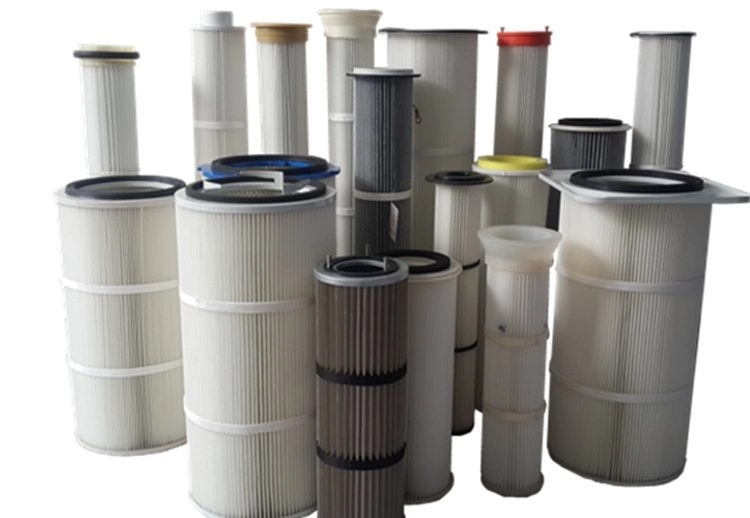
Охрана двигателя корабля означает больше, чем просто нефть; ему нужен многосторонний путь к чистоте жидкости и воздуха. Двигатель взимает воздух столько же, сколько и масла. На воздушной стороне, вы должны остановить песок, соль и пыль, чтобы попасть в горячую комнату. Использование Премиум пылесборные картриджи Убедитесь, что ваш взятый воздух остается таким же чистым, как ваше масло, останавливая внутренние разрезы на трубах и толкателях.
По мере продвижения к 2026 году, путь указывает на умные улучшения. Новые настройки чистки теперь добавляют детали автоматического управления, которые отслеживают скорость барабана, тепло масла и давление в режиме реального времени. Эта сетевая ссылка позволяет следить за вашим нефтяным товаром с телефона, начиная предупреждения или обмен нефтью только в случае необходимости, а не на жестком, часто отходном плане.
Экспертное обслуживание и всесторонняя поддержка
Для обработки этих технических выборов нужен товарищ по команде с глубокими знаниями в области строительства. Хорошая жидкостная очистка не действует как односторонний продукт; он считается помощью, которая держит стабильный отбор проб и проверку. Вы должны установить цикл проверки, например, каждые 500 часов, чтобы посмотреть на количество битов и распространение в ваших гидравлических и смазочных настройках.
Профессиональные группы помощи дают круглосуточные технические консультации, чтобы помочь вам в поиске источников грязи, если они происходят от ржави бака магазина или повреждения машины. Сотрудничая с профессионалами, которые дают веб-просмотр и полный вид данных, вы убедитесь, что ваши двигатели достигают максимально возможного срока службы.
Контакт для вашего индивидуального аудита фильтрации
Если вы готовы перестать гадать о вашем двигателе’ с здоровье и начать обрабатывать его с точностью науки, это считается как время для улучшения ваших настроек. Переход на быстро вращающийся пылесос может привести ваше старое масло до свежего уровня за треть продажной цены. Свяжитесь с нашей технической группой сегодня для полной проверки нефти. Мы поможем вам перейти от предыдущего ухода за реакцией к будущему, денежным способам индустрии 5.0. Позвольте нам помочь вам держать ваш флот на море и ваши деньги в вашем хранилище.
В: Может ли центробежная очистка обрабатывать высоковязкие масла?
О: Да, эти системы специально разработаны для обработки тяжелых смазочных материалов и топлива с использованием нагрева и высокоскоростного вращения для обеспечения эффективного разделения.
В: Как эта технология влияет на потребление энергии на судне?
Ответ: Центробежные вакуумные фильтры оптимизированы для энергоэффективности, часто обеспечивая экономию энергии на 40% за счет использования центробежной инерции и интеллектуальных вакуумных систем.
В: Какова главная преимущественность достижения уровня чистоты NAS 3?
A: Достижение этого высокого стандарта может расширить вашу систему’ общий срок службы в четыре раза и уменьшить уровень сбоя компонента на ту же маржу.


