

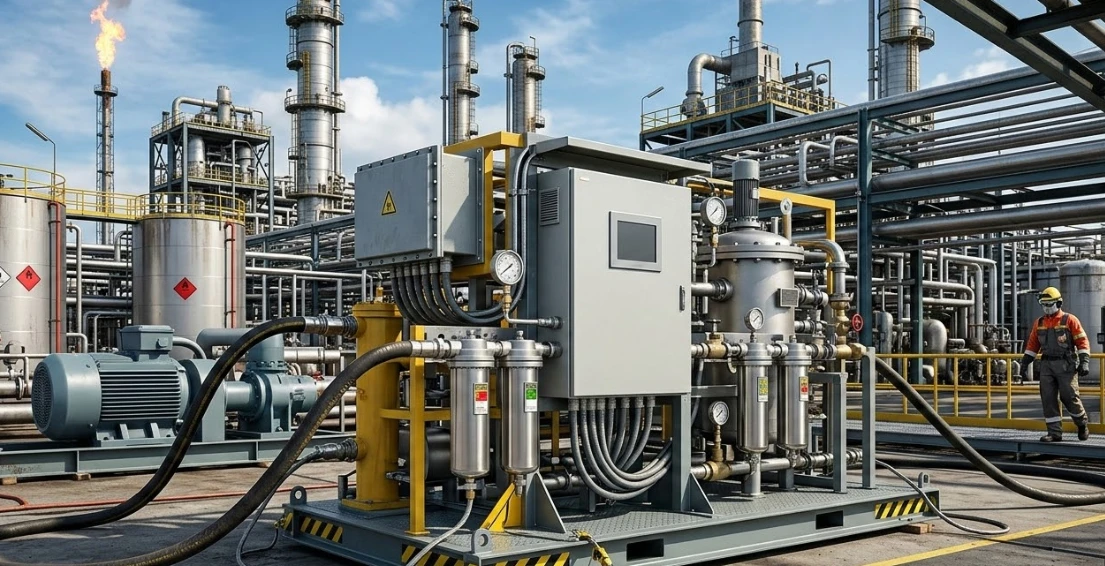
В напряженной сфере переработки нефти и газа нет места для ошибок. Вы работаете в местах, полных легко сжигаемых газов, противопожарных спрей и очень высокого или низкого тепла каждый день. В этом “ Зона 1” and “ Зона 2” В опасных местах, каждая часть машины - даже самая маленькая шашка - должна действовать как сильная стена против запуска пожаров. В то время как вы стремитесь достичь своих целей по производству, тихая опасность грязного масла в ваших крупных токарных машинах и системах толка остается основной причиной сбоев. Однако регулярный маслочиститель в таком месте является не только помощником; превращается в реальный риск. Если строители не смогли удерживать внутренние искры или контролировать внешнее тепло, это могло бы запустить тот же пожар, который вы пытаетесь остановить. Это делает выбор правильных инструментов ключевым шагом, чтобы сохранить весь ваш сайт в безопасности и без больших проблем, которые могут остановить работу на несколько дней.
Безопасность как основа деятельности нефтеперерабатывающего завода
Сохранение ваших слайдов и толкающих масел в хорошей форме - это не просто работа по исправлению; Это является основным правилом безопасности. Чистое масло помогает огромным воздушным прессам и токарным машинам работать плавно без тепла, вызванного терением, что значительно снижает вероятность пожаров машин. Но сам этап очистки использует мощные части, двигатели и теплоустройства. На перерабатывающем заводе эти детали должны оставаться отрезаны от воздуха вокруг них. Это место, где специальные строительные работы связывают доверие машины с резкой пожарной опасности. Когда вы выбираете оборудование, сделанное только для опасных зон, вы убедитесь, что ваша чистка помогает вашим целям безопасности, а не причиняет им вред. На самом деле, этот выбор позволяет лучше следовать правилам и избегать штрафов или отключений, которые возникают из-за слабых настроек.
Если вы хотите команду, которая действительно понимает жесткие технические детали этих мест, Ourun является лучшим выбором в точной фильтрации и пожарной безопасности. Благодаря многолетнему ноу-хау в этой области, они сосредоточены на создании сильных настроек, которые соответствуют самым жестким проверкам безопасности в мире. Их путь заключается не только в перемещении устройства; речь идет о том, чтобы выбрать безопасность, которая вписывается прямо в ваши сложные системы. Независимо от того, управляете ли вы морскими установками или наземными заводами, их группа, которая знает все, дает вам профессиональные навыки, необходимые для сохранения чистоты вашей нефти и защиты вашего района. Эта поддержка выходит за рамки продаж и включает в себя консультации по настройке и исправлениям, помогая вам справляться с ежедневными запусками с меньшими беспокойствами и более стабильным выходом со временем.
Роль глобальных взрывоопасных стандартов
Чтобы справиться с трудными частями безопасности заводов, нужно обратиться к установлению мировых правил. Эти руководства - это не просто идеи; Они образуют технические слова для того, чтобы оставаться в живых в энергетическом бизнесе. Два основных проверки определяют, подходит ли инструмент к вашему зданию. Следуя за ними, ваши работники сохраняют безопасность, а ваши инструменты работают без юридических проблем, которые могут замедлить ваши цели.
Правило ATEX работает в качестве основного руководства в Европейском союзе, сортируя оборудование по типу пожарного воздуха, с которым оно столкнется. Если ваше место соответствует этим законам, каждый двигатель и кнопка на вашем очистителе масла должны иметь знак ATEX, чтобы остановиться вне пожара. На более широком мировом уровне план IECEx дает единый способ соответствия правилам. Эта всемирная проверка гарантирует, что независимо от того, где находится ваш завод, передача поражает стабильный, высокий знак безопасности. Эти руководства подчеркивают “ держать в” and “ Тепловые часы. ” Они убеждаются, что если искра происходит внутри, она остается в корпусе, и снаружи инструмента никогда не нагревается достаточно, чтобы зажечь газы в точном месте. Придерживаясь этих принципов, вы создаете безопасную базу, которая позволяет вашей команде сосредоточиться на работе, а не постоянно бояться несчастных случаев.
Инженерное совершенство в опасных зонах
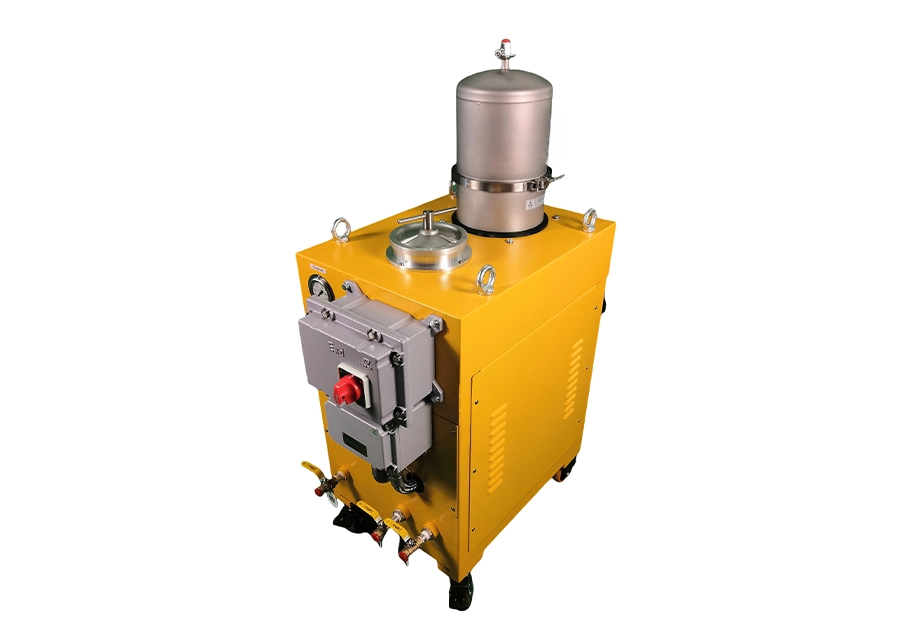
Когда вы переходите от книжных правил к реальному использованию, реальные детали должны проявлять тщательную строительную работу. В опасных районах обычный чистильник уступает месту специальной установке, где каждый винт и линия играют роль безопасности. Эта смена означает, что ваше оборудование не только очищает масло, но и защищает от рисков, которые могут навредить людям или внезапно остановить производство.
Ясным примером этого является взрывоустойчивый точный очиститель масла, который готов удовлетворить жесткие потребности химического нефтяного месторождения. Эта настройка использует встроенные безопасные элементы питания и “ Ex d” пожарные случаи. Теплые части, обычно самые рискованные в старых чистящих средствах, наблюдаются многоэтапными тепловыми проверками, чтобы остановить слишком много тепла. Кроме того, шаг очистки становится тонче, чтобы достичь уровня чистоты NAS класса 5, поэтому даже крошечные куски, которые могут потереть и нагреть ваши токарные машины, выносятся без добавления новых опасностей для воздуха. Эта тщательная конструкция сохраняет ваше масло высшего качества, обеспечивая при этом, чтобы весь процесс оставался безопасным в жестком воздухе, сокращая износ, который приводит к ранним ремонтам и потере времени.
Стратегические преимущества для энергетических и химических заводов
Вкладывание денег в противопожарную технику высшего уровня дает вам больше, чем спокойствие; Это приносит реальную работу. Используя настройку, помеченную для вашей точной зоны опасности, вы пропускаете необходимость перемещения грязного масла в безопасные места для очистки. Это прямо там, всегда на навыке снижает риск утечки в движениях и поддерживает ваши машины в лучшей работе без времени остановки. В течение месяцев это означает более плавные потоки и меньше отходов от плохого масла, которое зажимает части и замедляет все.
Кроме того, снижение рисков превращается в экономию денег. Хорошая чистка останавливает кучу толстой грязи и твердых пальто в дорогих инструментах завода. Когда вы безопасно извлекаете воду и куски, вы делаете ваше масло длительным и ваше оборудование тоже. В поле, где один день неожиданной остановки может стоить состояние, постоянная работа проверенного пожарного чистителя выступает в качестве ключевого охранника для вашего графика производства. Это не только экономит деньги, но и укрепляет доверие к командам и боссам, позволяя вам продвигаться к более крупным целям, не удерживая вас безопасность.
Специализированные приложения по всей отрасли
Гибкий характер этих настроек позволяет разместить их во многих областях высокого риска. В химической работе с маслом они оказываются жизненно важными для сохранения слайд-масла крупных спин-прессов. На морских установках, где комната плотная, а воздух едит вещи, эти устройства предлагают небольшое, жесткое фиксирование, которое удерживает соленую воду и всегда есть масло. Даже в местах хранения и перемещения топлива, где обрабатываются большие количества легко сжигаемых жидкостей, эти чистящие средства обеспечивают, чтобы топливо оставалось свободным от грязи, придерживаясь самых высоких правил безопасности. В каждом случае они вписываются, повышая чистоту работы и безопасность без больших изменений в ваших нынешних способах, поэтому вы видите быстрые победы в том, как хорошо все работает каждый день.
Профессиональное обслуживание и техническая поддержка
Выбор правильной передачи - это только начало. Чтобы действительно сделать свой растение’ С повышением безопасности, вам нужна команда помощи, которая может адаптировать выборы к вашим особым пожарным потребностям, таким как Ex d IIB T4 или IIC T4. Это охватывает полные проверки на месте, чтобы найти истинные потребности ваших зон 1 или 2. Про помощь идет к установке, где квалифицированные рабочие убеждаются, что наземные соединения и электрические соединения соответствуют местным законам безопасности. Долгосрочные планы исправления, с постоянными заменами фильтров и внешним видом безопасности, убедитесь, что оборудование продолжает выполнять свою охранную работу в течение многих лет, сохраняя ваших людей в безопасности и ваши деньги защищены. С этой полной заботой вы избегаете мелких проблем, превращающихся в большие, и сохраняете всю свою операцию сильной против ежедневных тестов.
Заключение
На нефтегазовом месторождении безопасность не является выбором; Он создает основу каждого хорошего пробега. Поставляя на первое место правила пожарной безопасности, такие как ATEX и IECEx, вы защищаете свое здание от огромных рисков пожара. Использование новых технологий, таких как точные очистители масла, гарантирует, что ваше скольжение и жидкости для толкования остаются в лучшей форме, помогая передаче длиться и хорошо проходить работу. Когда вы смешиваете верхнюю передачу с профессиональной технической помощью, вы создаете сложную обстановку, которая может безопасно и без ошибок удовлетворить мировые потребности в энергии. Этот умный путь не только следует законам, но и приводит к лучшим результатам, позволяя вашему растению расти, сохраняя всех от вреда ’ с путь на долгие расстояния.
Если у вас есть вопросы о определенных знаках EX или вам нужен специальный план очистки для вашего завода, пожалуйста, свяжитесь с нашей технической группой через наш сайт’ с ссылка на разговор или по нашей профессиональной форме запроса. Мы готовы помочь вам поднять вашу область’ уровень безопасности и работы. Наша команда опирается на годы практического ноу-хау, чтобы направлять вас шаг за шагом, гарантируя, что каждый выбор идеально соответствует вашей уникальной настройке и целям.
Часто задаваемые вопросы
В: Какова разница между зоной 1 и зоной 2 для оборудования для очистки масла?
А: Зона 1 указывает на место, где огневой воздух склонен появляться в обычной работе, требуя более сильных уровней защиты (часто “Ex d” огневой держатель). Зона 2 обозначает место, где пожарный воздух не способен проявляться в обычной работе, но может длиться короткое время, если это происходит, позволяя другим, но все еще жестким шагам безопасности. Знание этого разделения помогает вам выбрать передачу, которая соответствует вашему сайту’ с реальными рисками, поэтому вы остаетесь в безопасности без чрезмерных расходов на дополнительные охранники.
Вопрос: Могут ли эти взрывоопасные очистители использоваться, пока оборудование нефтеперерабатывающего завода все еще работает?
А: Да, эти настройки построены для “ онлайн” чистка. Поскольку они имеют полные знаки для настроек опасности, вы можете безопасно связать их с вашими токарными машинами или держать резервуары для очистки масла в стабильном кругу, не выключая всю систему. Это держит вашу работу без перерывов, экономяя время и уменьшая шансы на накопление грязи во время остановок.
В: Как я могу узнать, какой взрывоопасный рейтинг (например, T4 или IIB) мне нужен для моего объекта?
А: Знак зависит от точных газов на вашем месте и их начальных тепловых точек. A “ IIB” маркировка подходит для газов, таких как этилен, в то время как “ T4” убедитесь, что инструмент’ Внешняя температура остается ниже 135°C. Вы должны поговорить со своим местом’ Работник безопасности с или наша техническая группа, чтобы спарить передачу к вашему зданию’ с опасной точки сортировки. Этот матч обеспечивает верхнюю безопасность без слабых мест, которые могут привести к проблемам в дальнейшем.


