

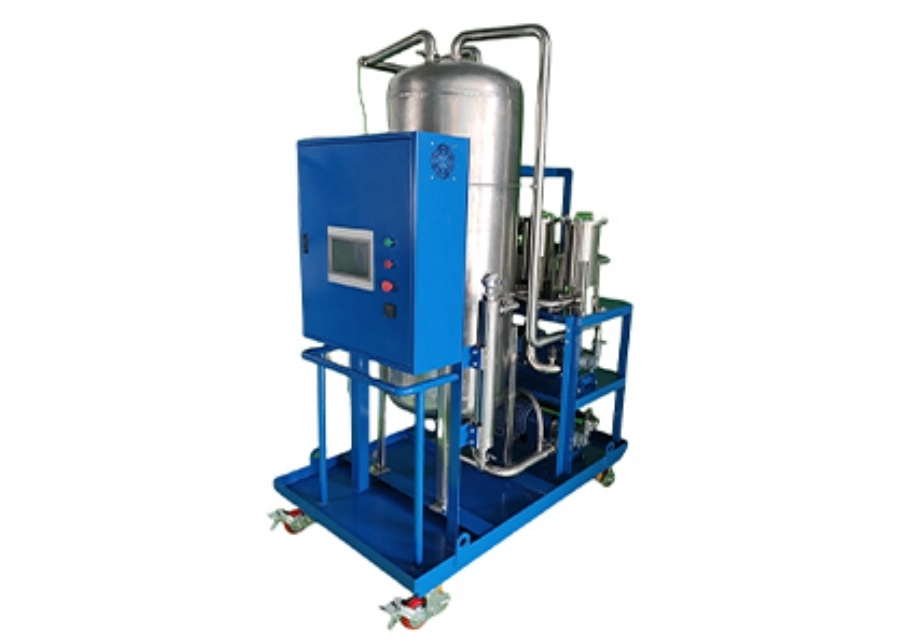
Em 2026, lidar com a contaminação por umidade e partículas em sistemas hidráulicos ou de transformadores continua sendo um grande problema para as equipes de manutenção. Ao observar um fluido que se tornou marrom escuro após dois anos de operação, a primeira coisa que vem à mente é a substituição completa.
No entanto, a substituição às cegas desperdiça uma quantia significativa de dinheiro. Cerca de 40% das falhas de vedação em equipamentos industriais estão diretamente relacionadas à limpeza inadequada do óleo. Partículas de impurezas aceleram o desgaste da vedação e desencadeiam reações em cadeia, como falha na lubrificação e superaquecimento localizado. O uso do equipamento de purificação adequado resolve o problema da umidade de forma eficaz. Vamos analisar como um filtro de óleo centrífugo se compara a um filtro de cartucho padrão para que você possa fazer a melhor escolha para suas máquinas.
Mecanismos Essenciais das Tecnologias de Filtragem de Óleo
Antes de tomar uma decisão de compra, é necessário analisar como essas duas tecnologias funcionam na prática, no chão de fábrica.
Princípios de um filtro de óleo centrífugo
Um filtro de óleo centrífugo depende da rotação em alta velocidade para realizar o trabalho pesado. Quando o óleo contendo impurezas e umidade entra no tambor de discos que gira a velocidades geralmente ≥8000 rpm, a força centrífuga entra em ação. Como a água e as partículas sólidas têm densidade maior que a do óleo, elas são lançadas contra a parede do tambor, enquanto o óleo puro permanece no centro. Pense em uma máquina de lavar roupa durante a centrifugação; o conceito é exatamente o mesmo. Essas máquinas também possuem tambores com excelente balanceamento dinâmico para evitar vibrações violentas durante a operação em alta velocidade. Além disso, o material do tambor deve possuir resistência e durabilidade suficientes para suportar o atrito causado pelas impurezas.
Características dos filtros de cartucho
Por outro lado, um filtro de cartucho utiliza uma barreira física porosa feita de papel, celulose ou fibras sintéticas. O fluido passa através do meio filtrante, retendo as partículas. Embora sejam eficazes na retenção de partículas sólidas de tamanhos específicos, a água é o seu ponto fraco. Quando um elemento de celulose absorve a sua capacidade máxima de água, ele incha e restringe o fluxo de fluido. É como tentar forçar xarope espesso através de um filtro de café molhado. Há perda de pressão e a válvula de bypass pode abrir, enviando fluido não filtrado de volta para o sistema. Ao contrário de um filtro de óleo centrífugo, os cartuchos não conseguem expelir água continuamente. Se partículas sólidas ultrapassarem um filtro saturado, partículas com tamanho entre 5 e 15 μm podem se incrustar na superfície das vedações de borracha, formando marcas de desgaste semelhantes a sulcos.
Comparação de desempenho no manuseio de umidade
Conhecer a mecânica ajuda, mas o desempenho no mundo real é que dita o seu orçamento operacional e os cronogramas de manutenção.
Eficiência da separação de água
Um filtro centrífugo de óleo processa fluidos com uma velocidade incrível. Uma unidade típica completa um ciclo de filtragem a cada 3 a 5 minutos, processando de 20 a 25 kg de óleo por lote. A limpeza dos resíduos de óleo é necessária apenas uma vez a cada 1000 kg filtrados. Combinando a inércia centrífuga com um sistema de vácuo, economiza-se cerca de 40% de energia elétrica. Mais importante ainda, o filtro remove continuamente a umidade para atender aos rigorosos padrões ISO 4406 ou NAS 1638. Por exemplo, quando a limpeza do óleo hidráulico melhora de NAS 8 para NAS 3, a vida útil do sistema pode ser quadruplicada e a taxa de falhas reduzida em quatro vezes. Filtros de cartucho simplesmente não conseguem processar grandes volumes de água sem a necessidade de interromper o sistema para a troca do filtro.
Análise de custos operacionais
Os filtros de cartucho exigem um suprimento constante de novos elementos filtrantes. Ao longo de meses de operação intensa, os custos com materiais e mão de obra se acumulam rapidamente. Investir em um filtro de óleo centrífugo gera economia, pois ele opera a longo prazo sem peças consumíveis, reduzindo suas despesas com a compra de materiais. Dados mostram que 80% das falhas em sistemas hidráulicos estão relacionadas à contaminação do óleo. Ao utilizar filtragem profissional, você reduz a frequência e os custos de manutenção causados pela contaminação em uma média de mais de 45%. Você também estende a vida útil do fluido hidráulico de dois anos para até 3 a 5 anos.
Tabela 1: Análise do Retorno sobre o Investimento em Equipamentos Profissionais de Filtragem de Óleo
| Métrico | Valor (RMB) |
|---|---|
| Investimento Inicial | 500,000 |
| Costo Anual de Operação | 50,000 |
| poupanças anuais de custos de manutenção | 200,000 |
| Extendida poupança de vidas no petróleo | 300,000 |
| Valor de Eficiência Aumentado | 150,000 |
Isso significa que o período de retorno do investimento varia de 6 a 12 meses, gerando um lucro líquido anual superior a 800.000 RMB para uma empresa típica de fabricação de máquinas.
Equipamentos avançados para limpeza de óleo
Passando da teoria financeira para a aplicação prática, você deve escolher o tipo exato de máquina para as condições específicas do seu local de trabalho.
Purificadores a vácuo de óleo de transformador
Os transformadores de potência degradam-se com o tempo devido à oxidação e à umidade, o que prejudica o desempenho do isolamento e reduz sua vida útil. Um filtro padrão não resolve esse problema. É necessário um equipamento específico para desidratar, desgaseificar e remover impurezas do fluido. O uso de um equipamento especializado é essencial para essa finalidade. Transformer Oil Vacuum Purifier Restaura a resistência do isolamento e garante o funcionamento seguro e estável dos equipamentos elétricos.
Purificadores de óleo a vácuo móveis
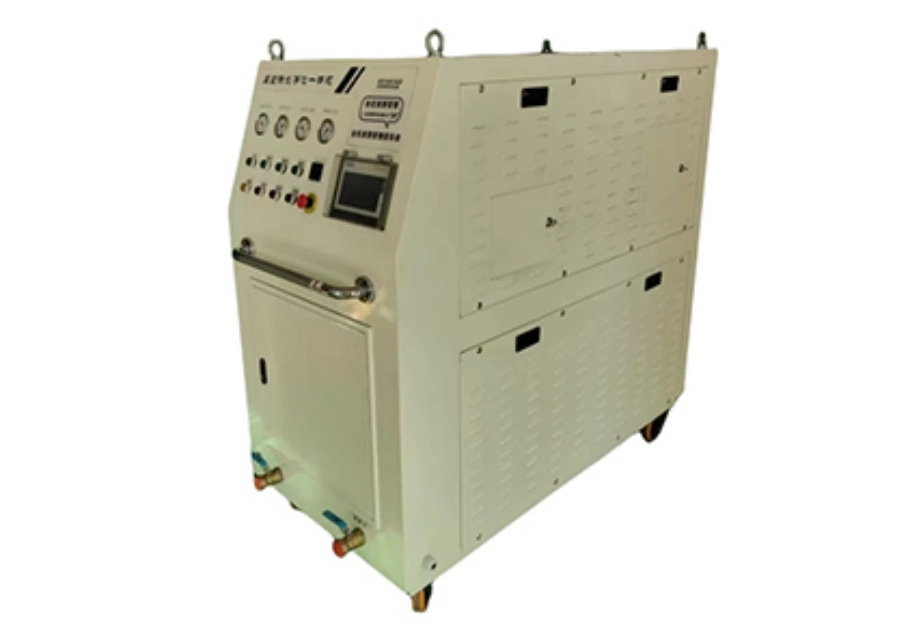
Instalações industriais, como canteiros de obras ou fábricas de produtos químicos, apresentam equipamentos abertos operando em ambientes empoeirados. Areia e poeira penetram facilmente no fluido hidráulico através dos orifícios de ventilação. Em um caso, um cilindro hidráulico absorveu partículas de areia de 100 μm, causando danos parciais à vedação do pistão e um grande vazamento de óleo hidráulico. Para máquinas dispersas, uma unidade portátil é altamente eficaz. Você pode implantar uma Mobile Vacuum Oil Purifier diretamente no local. A combinação de um filtro de óleo centrífugo com recursos móveis recupera o desempenho do lubrificante e realiza a reciclagem do fluido exatamente onde a máquina está instalada.
Soluções de filtragem confiáveis da Ourun
A aquisição dessas máquinas exige um parceiro de fabricação competente, e não apenas um intermediário que forneça preços de um catálogo.
Ao atualizar seu sistema de purificação, trabalhar diretamente com a fábrica de origem elimina custos adicionais e falhas de comunicação. Ourun Engenheiros e fabricantes produzem sistemas de filtragem de alto desempenho diretamente em sua própria linha de produção. Eles se concentram inteiramente na pesquisa e desenvolvimento e na fabricação de tecnologia de purificação de líquidos, eliminando completamente qualquer modelo de comercialização por terceiros. Isso significa que você obtém suporte técnico direto da fábrica, controle de qualidade da matéria-prima e projetos personalizados, adaptados às suas necessidades exatas de viscosidade e vazão. Ao fazer parceria com um verdadeiro fabricante, obter seu próximo filtro de óleo centrífugo torna-se um processo simples e eficaz, que resolve de forma permanente os problemas de umidade mais complexos na indústria.
Serviços especializados de purificação de óleo
A manutenção de rotina traz enormes benefícios ocultos. Ao utilizar serviços profissionais. serviço Com cuidados preventivos, é possível reduzir em 80% o tempo de inatividade não planejado causado por contaminação. Para uma empresa com faturamento anual superior a 10 milhões de RMB, cada tempo de inatividade não planejado evitado gera diretamente um lucro de pelo menos 50.000 a 100.000 RMB. Fluidos limpos transferem energia com mais eficiência e reduzem o coeficiente de atrito, mantendo os equipamentos de produção em ótimas condições de funcionamento.
Centro de Soluções Abrangentes
Cada fábrica enfrenta problemas de contaminação diferentes. Uma abordagem única raramente funciona. Você pode navegar pelo centro de solução Para encontrar métodos de filtração projetados especificamente para o seu setor. Desde a remoção de impurezas sólidas em nível micrométrico até a extração de água de condensação causada por diferenças de temperatura, a filtração de precisão mantém suas linhas de produção em funcionamento. Se você deseja orientação técnica direta para sua instalação, entre em contato através do [inserir link aqui]. contate-nos página hoje.
Perguntas frequentes
P: Um filtro de óleo centrífugo remove água?
A: Sim. Remove eficazmente a humidade, o gás e outras impurezas, rodando o fluido a altas velocidades e utilizando as diferenças de densidade dos materiais para os separar.
P: Devo trocar o óleo hidráulico só porque ele escurece?
A: Não necessariamente. Você deve testar o óleo primeiro; se indicadores essenciais como o índice de acidez e a viscosidade estiverem adequados, você só precisa de uma filtragem de precisão para reduzir a contaminação por partículas a um nível aceitável de NAS (Natural Natural Safety).
P: Com que frequência os filtros de cartucho precisam ser substituídos em comparação com os modelos centrífugos?
A: Os cartuchos saturam-se rapidamente com água e exigem trocas físicas frequentes. Um filtro de óleo centrífugo opera a longo prazo sem peças de desgaste, o que representa uma economia significativa nos custos de aquisição.


