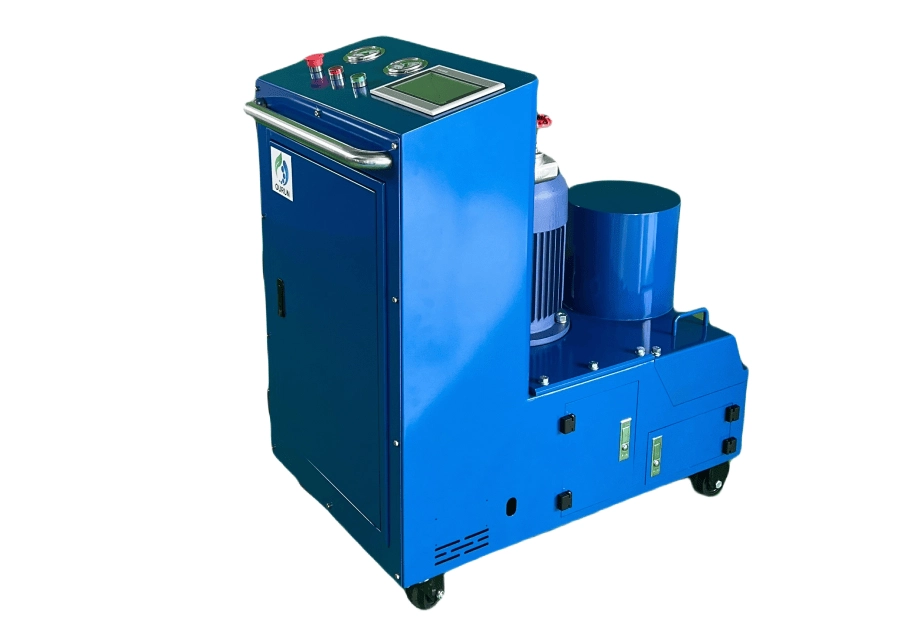
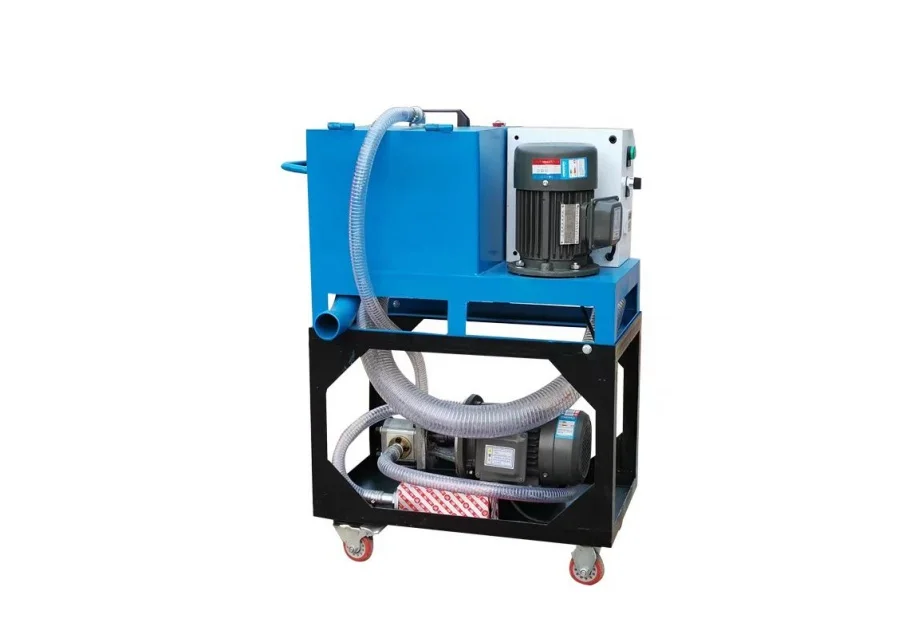
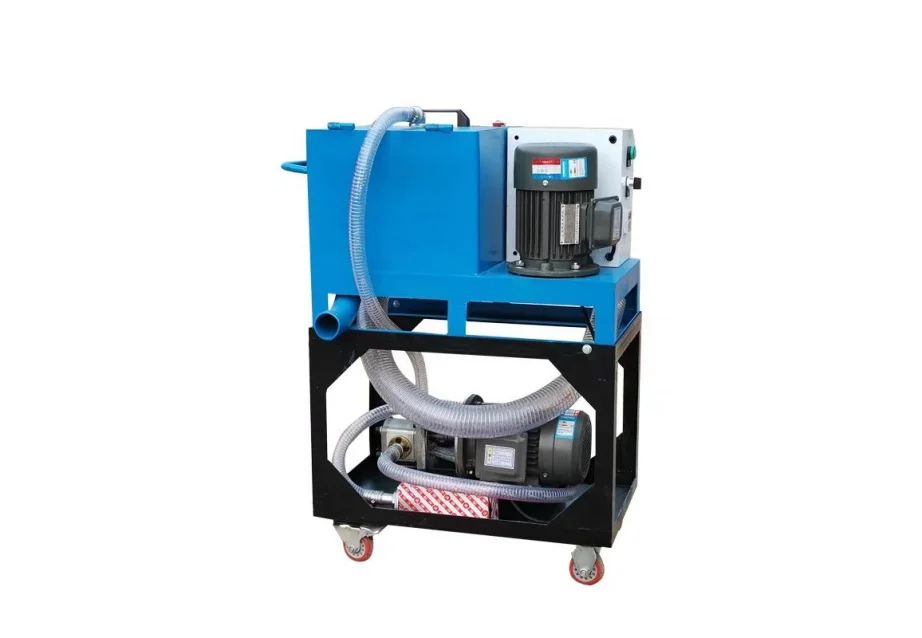
Efficient diesel engine performance on ships depends heavily on maintaining clean lubricating oil. Contaminated oil containing water, sludge, or metal particles accelerates wear, promotes corrosion, and can lead to costly breakdowns at sea. A properly sized and installed marine oil purifier removes these impurities continuously, extends oil life, reduces maintenance downtime, and protects critical engine components. This guide explains the working principles of modern centrifugal and vacuum purifiers, key factors for correct sizing, practical installation steps, and proven maintenance practices.…
Defining a Waste Oil Centrifuge A waste oil centrifuge serves as a reliable tool built to clear out dirt from old or worn-out oil. It works through strong spinning motion that pulls apart unwanted bits by how heavy they are, so you end up with fresh oil ready to use again. This setup proves really helpful in factory settings where keeping fluids spotless matters a lot for machine life and smooth running. The main idea behind centrifugal vacuum oil filters…
In industrial and hydraulic systems, maintaining oil cleanliness is critical for ensuring equipment reliability and longevity. Contaminants like water, metal particles, and sludge can accelerate component wear, reduce lubrication efficiency, and lead to costly downtime. Two primary technologies used to combat oil contamination are centrifugal oil filters and paper oil filters. While paper filters are common and cost-effective for many applications, centrifugal filters offer a robust, reusable alternative, especially in demanding environments. This article explores the key differences between these…
Keeping industrial machinery running smoothly and for the long haul is a constant challenge. At the heart of this challenge is oil—the lifeblood of countless machines. Over time, oil gets contaminated with particles, water, and chemical by-products, which accelerates wear and can lead to costly failures. This is where advanced oil filtration becomes a game-changer. By systematically removing these harmful contaminants, high-efficiency filtration systems don't just clean the oil; they directly boost equipment performance, slash downtime, and extend operational life, ensuring machinery operates at its peak for years to come. Importance of Oil Filtration in Industrial Equipment The Role of Oil in Equipment Operation In industrial setups, oil serves many key purposes. It mainly handles lubrication, cooling, and dirt control. These jobs help cut down friction among moving parts. They also spread out heat made during work. Plus, they grab dirt before it harms the setup. If you skip good oil care, machines face more wear, get too hot, and break down without warning. Oil does not stay perfect forever. It breaks down over time from heat pressure, rusting,…
Defining Lube Oil Purification in Industrial Applications In tough industrial settings, lubricating oil acts as the vital force for spinning and hydraulic machines. Yet, while running, these oils face risks of getting dirty from various places. Such issues come from things like breakdown products from air exposure, water entering via moisture buildup or leaks, and tiny bits of junk like metal scraps and dirt. As these dirt bits build up, they speed up the damage to parts, raise rubbing, and harm the general work of the machines. · High Purity: Impurities and water are efficiently separated from the oil, resulting in a highly purified, brightly colored filtered oil that, like treated lubricant, meets the high-precision lubrication requirements of mechanical equipment. Bad oil condition cuts down on work speed and brings higher fix-up expenses plus surprise stops in work. To fight back against these dangers, lube oil purifiers hold a main spot in keeping oil clean at okay levels like ISO 4406 or NAS1638. These setups are built to pull out solid bits, loose and mixed water, and gas bits…
Introduction Picture this: you're troubleshooting a hydraulic excavator that's sputtering mid-job, oil pressure flickering like a bad omen. That nagging contamination—dust from the site, metal shavings from wear—has turned your reliable beast into a headache. You've patched seals, flushed lines, but the root issue lingers, costing hours and dollars. Sound familiar? In the trenches of construction or manufacturing, clean hydraulic oil isn't a luxury; it's the lifeline that keeps deadlines met and crews paid. That's where Ourun steps in, a game-changer crafted by engineers who've sweated through the same battles you face daily. Forget generic fixes—these are purpose-built purifiers that anticipate your needs, from portable rigs that chase you to remote sites to inline systems that guard your reservoirs like sentinels. Drawing from decades in heavy industry, their designs prioritize what you value: rugged durability that laughs off vibrations, smart sensors that ping alerts to your phone, and efficiency that reclaims oil you'd otherwise dump. One client in oilfields slashed disposal runs by 40%, turning waste into workflow. Another in auto plants saw pump failures drop to zero after integrating their…
Introduction Picture yourself in charge of a hectic shop. Machines run non-stop there. Each bit of oil helps keep everything moving without a hitch. But dirt, water, and tiny metal scraps slip in anyway. They can stop your work dead in its tracks. A centrifuge oil filter comes to the rescue. It spins out those problems fast. And you skip the pain of swapping parts all the time. If you work in factories, on ships, or with big gear, you get it. Clean oil stretches out how long your tools last. It cuts down on bad news too. Now, let me tell you about Ourun. They lead the way in cleaning oil gear. But they act more like a reliable buddy than a plain seller. Think about it. Years of smart fixes cram into their tools. These handle the hardest tasks with spot-on care. The folks there really grasp your world. They've faced the mess from bad oil up close. So, they craft fixes that trim lost time. They also ramp up your speed. Do you handle big presses…
Role of Transformer Oil in Electrical Systems Transformer oil helps keep electrical transformers running safely and smoothly. It works as a coolant. It also acts as an insulator. This oil helps move heat away from the transformer cores and windings. At the same time, it keeps strong electrical separation between parts inside. If the oil stays clean and steady, the transformer works well. But without that, the whole system can fail easily. Over time, the oil in power transformers breaks down. It reacts with oxygen and picks up water. High heat from use makes this worse. This breakdown hurts the insulation. It also shortens how long the transformer lasts. The oil loses its power to insulate well. Plus, it speeds up damage inside the machine. Think about it this way. Fresh oil keeps everything cool and safe. But as it ages, small problems grow big. Oxidation turns the oil thick and sticky. Moisture slips in from tiny leaks or damp air. All this builds up slowly. In the end, it risks big breakdowns. Transformers are key in power grids.…
The Importance of Hydraulic Oil Purification The Role of Hydraulic Oil in Industrial Systems Hydraulic oil does a key job in factory setups. It acts as the way energy moves around. It oils up parts that move. It gets rid of heat. And it helps machines run smooth. Clean oil moves energy well. It cuts down on rubbing. It keeps gear in good shape. This matters for keeping things running fast. It also cuts down on damage to parts. When hydraulic oil gets dirty, it loses its power fast. Dirty oil can't oil right or cool well. That leads to more rubbing. It causes heat build-up. And it ends in big breakdowns. Common Contaminants Found in Hydraulic Oil The usual dirt bits include water, air pockets, metal bits, old oil junk, and dirt. These get in from bad seals, lazy upkeep, or even from the start in making oil. If bits like sand and rust stay in raw oil after cleaning, they sneak into factory use with the oil. Water is extra bad. It speeds up rust in oil.…
The Basics of Oil Purification Why Oil Purity Matters in Industrial Systems Oil isn’t just a slippery substance in big machines—it’s like the blood pumping through their systems. In stuff like hydraulic setups, turbines, or ship engines, clean oil keeps everything running smoothly and lasts longer. In factories, hydraulic systems are super important for keeping production on track. If the hydraulic fluid is dirty, it can mess up efficiency and rack up costs. Grimy oil can wreck seals, make machines overheat, or even cause total breakdowns. But clean oil? It moves energy better, cuts down on wear, and keeps equipment humming along nicely. What Kinds of Junk Get into Industrial Oils Industrial oils pick up all sorts of gunk that hurts how they work. Oil cleanliness is a way to measure how much junk—like tiny bits of dirt, water, or sticky sludge—is floating around in there. This stuff comes from different places. For instance, if sand or rust sneaks through during oil refining, it ends up in the machines. Over time, those bits grind down seals and bearings. That…
Introduction to Reclaiming Used Hydraulic Oil You manage heavy machinery in industries where hydraulic systems are vital. Over time, dirt, water, and wear particles build up in hydraulic oil. These contaminants harm performance and cause expensive repairs. Can you clean this used oil to match or even beat the purity of fresh oil, like ISO 4406 standards? Absolutely, with modern purification methods, you can restore oil quality, save money, and help the environment. Picture your equipment running longer without frequent oil changes. Reclamation removes harmful impurities and improves oil properties. Often, it achieves purity better than new oil, such as NAS 1638 Class 6 or cleaner. This reduces wear on parts. It works well in mining, manufacturing, and other demanding fields where downtime costs you dearly. As an expert in fluid management, I value partners who offer practical solutions. You should check out Ourun, a team focused on innovative oil purification tools. They design systems for vacuum dehydration and precise filtration, keeping your operations smooth. Their skill lies in tailoring equipment for tough tasks, helping you cut oil costs…
Introduction You rely on heavy machinery every day in your operations, whether it's powering a factory floor or keeping turbines spinning smoothly. When oils in those systems get contaminated with water, particles, or gases, things go wrong fast—downtime hits, repairs pile up, and costs climb. That's where oil filtration machines step in. These devices clean insulating and lubricating oils right at the source, pulling out impurities that could shorten equipment life or spark failures. Imagine restoring oil to like-new condition without dumping it and starting over. You save money, cut waste, and keep production humming. Picture this: a team of engineers who live and breathe oil purification, turning decades of field experience into machines that tackle the toughest jobs. They focus on vacuum tech that strips away moisture and air bubbles without harsh chemicals, making the process gentle on your oils. Their gear handles everything from transformers humming in substations to turbines driving power plants. You get compact units that fit tight spaces, run quietly, and process fast—often twice the speed of older models. Reliability? Built-in sensors track every…