

In industrial and hydraulic systems, maintaining oil cleanliness is critical for ensuring equipment reliability and longevity. Contaminants like water, metal particles, and sludge can accelerate component wear, reduce lubrication efficiency, and lead to costly downtime. Two primary technologies used to combat oil contamination are centrifugal oil filters and paper oil filters. While paper filters are common and cost-effective for many applications, centrifugal filters offer a robust, reusable alternative, especially in demanding environments. This article explores the key differences between these two filtration methods, examining their mechanisms, maintenance needs, operational costs, and suitability for various industrial settings. Understanding these distinctions can help operators select the most effective filtration strategy to protect their machinery and optimize performance.
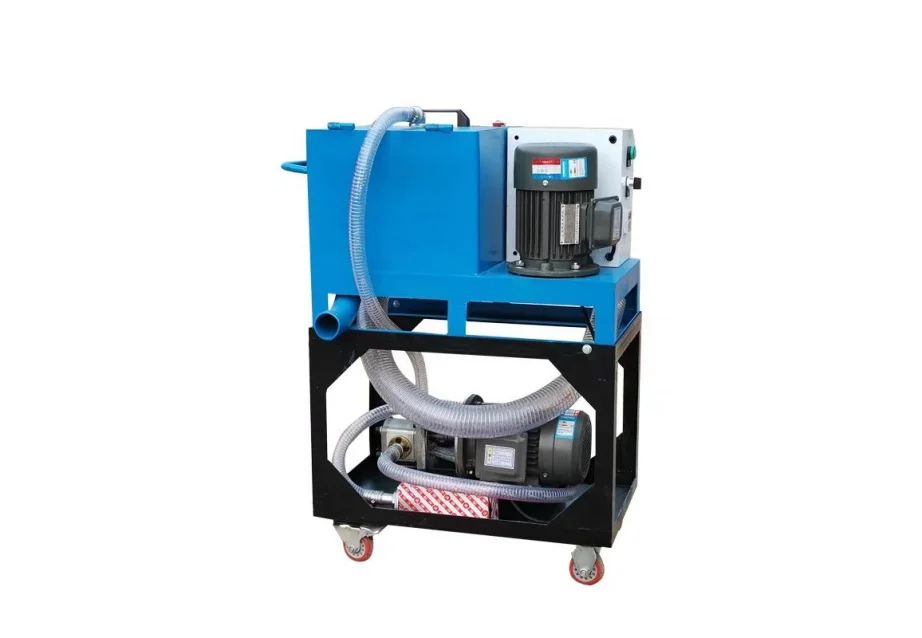
Overview of Oil Filtration Technologies
The Role of Oil Filtration in Industrial and Hydraulic Systems
When you run hydraulic and industrial lubrication systems, keeping oil clean is a must—it’s absolutely vital. You count on strong systems that keep going non-stop under tough conditions, and even small bits of dirt like water, metal bits, or gunk can mess up this steady work. Such unwanted stuff speeds up wear on parts, cuts down how well the oil lubricates, and in the end, shortens the life of your machines.
No matter if you handle a hydraulic press setup or a turbine oil loop, good filtration keeps things running smoothly. Filtration tools are extra important in tough spots like ship engines, metal plants, and car-making lines. In these places, oil acts as the key to your gear’s health—and spotless oil serves as its safety net.
Introduction to Centrifugal and Paper Oil Filters
To keep oil in top shape, people often turn to two main ways to filter it: centrifugal oil filters and paper-based mechanical filters.
A centrifugal filter works by using differences in density to pull things apart. Oil enters a drum that spins very fast—often faster than 8000 rpm. The strong spinning force pushes heavier dirt and water to the drum’s sides, while the cleaner oil stays in the middle. This setup needs no throw-away parts, so it’s reusable and works well over time.
On the other hand, paper oil filters use a spongy material—mostly plant fibers or man-made ones—to catch solid bits. As oil goes through this material, bits bigger than the filter’s size limit get stuck. These filters are simple to swap out, but they wear out and must be tossed.
Each type fits certain jobs: paper filters show up a lot in car care and basic factory work, while centrifugal ones suit heavy, round-the-clock tasks better.
Technical Comparison Between Centrifugal and Paper Oil Filters
Filtration Mechanism and Efficiency
With centrifugal setups, you get a filter that pulls apart particles without any blocking layers. Centrifugal vacuum oil filters give quick cleaning speeds, usually finishing a full cycle in just 3-5 minutes. This product is designed based on centrifugal vacuum technology, capable of removing solid contaminants, moisture, and air from industrial oils. Such fast action lets you clean 20–25 kg of oil each time with little stoppage.
Paper filters do a solid job when fresh, but they lose steam as time goes on. Their success ties closely to the size limit—often 5 to 25 microns. Yet, once the material fills up, flow slows and the cleaning drops off.
Maintenance Requirements and Operational Lifespan
If you aim to cut down on upkeep visits, centrifugal filters bring big wins. Zero-Consumption Filtration: No replacement parts required, reducing long-term costs. You just wipe out the drum now and then—usually after handling hundreds of liters.
Paper filters, however, need steady care. Based on how dirty the oil is and how long the system runs, you might swap them every week or month. This brings ongoing expenses—not just for the material but also for worker time and machine pauses.
Flow Rate, Pressure Drop, and System Integration
Centrifugal filters handle big flows well. Without tight materials in the way, pressure loss stays small all through use. This product is designed based on the centrifugal vacuum principle and is a device that can remove solid suspension, water, and air from the oil. It works with thick oils up to 680 mm²/s without slowing down.
For paper filters, pressure builds up as the material clogs—this can hurt how the system performs if you don’t change it soon. In exact tasks like computer-guided hydraulics, this up-and-down can cause issues unless you pick and watch the size carefully.
Application Suitability in Industrial Environments
Performance in High-Contamination Conditions
In rough spots like mining sites or metal-shaping lines where oil gets very dirty, centrifugal systems beat out older ways. High contaminant capacity: Centrifuge drum retains over 1 kg of impurities. You manage lots of grimy oil without breaks in work.
Paper filters in these tough setups might block fast, needing many swaps and raising the chance of stops. They cost less at the start, but they can overload your upkeep crew when things get heavy.
Compatibility with Hydraulic and Lubrication Systems
For hydraulic or gear oil systems where you must hit ISO clean standards every time, top-notch exact filter parts matter a lot. Precision Filter Elements for Hydraulic, Lubrication & Industrial Applications are engineered with high dirt-holding capacity and optimized flow paths to reduce pressure drop while maintaining strict cleanliness codes.
When facing bad dirt or wanting to stretch oil use without stopping work, full setups with centrifugal splitting give top results. Think of built-in tools like the vacuum centrifugal oil filter. It boosts oil life by pulling out tiny bits and gunk non-stop without pauses.
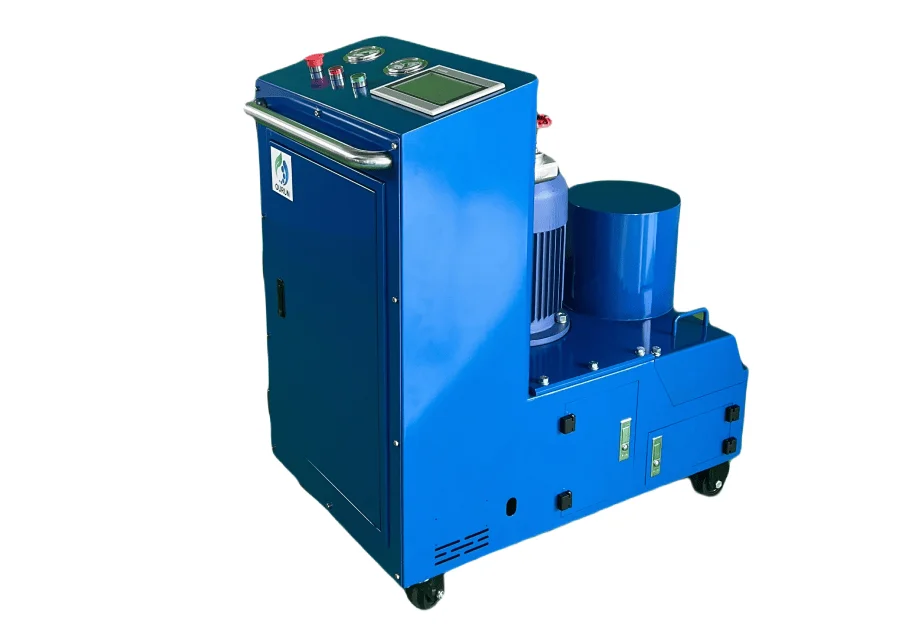
Economic Considerations Over Lifecycle Use
Cost Analysis: Initial Investment vs Long-Term Operation Costs
Centrifugal filters often cost more up front because of their engine parts and auto features, but they make up for it later. No ongoing material fees. No trash removal bills. And less time from workers on swaps.
Paper filters look cheap right away. But over a year—or in a whole factory—the total bill grows big from repeats and waste care.
Downtime, Labor, and Disposal Impacts on Cost Efficiency
Each surprise halt hits your wallet. Centrifugal systems cut halts since they skip taking apart for material changes. The equipment running and stopping time can be set at will.
Paper filters call for regular machine halts for fixes. Each swap uses worker effort and makes non-reusable trash that brings removal costs.
Environmental Impact and Sustainability Factors
Waste Generation from Consumables vs Reusable Systems
For green goals, centrifugal units stand out. Vacuum centrifugal composite principle eliminates filter media consumption. This means less solid junk going to dumps—great for eco-friendly work aiming to shrink their eco mark.
Paper filter setups naturally make trash every swap—adding to your site’s green burden.
Energy Consumption During Operation and Maintenance Cycles
You gain from power savings with centrifugal systems in steady cleaning mode. The structure and workflow of centrifugal vacuum oil filters will be further optimized to reduce energy consumption and noise.
With paper filters, as they block up, system pumps push harder to keep flow—lifting power use bit by bit in each round.
Choosing the Right Filtration Solution Based on Operational Needs
When picking between centrifugal and paper oil filters for your site, think about these points:
- System Pressure Requirements: Can your system tolerate pressure drops as media clogs?
- Particle Size Distribution: Are you dealing with fine particulates or larger debris?
- Desired Maintenance Intervals: How frequently do you want—or can afford—to service your filtration units?
- Total Cost of Ownership: Include not just equipment price but also labor, consumables, downtime, energy use, and environmental compliance.
For running big or key-precise gear that needs long run times with little watch, try a tool like the Precision Filter Elements for Hydraulic, Lubrication & Industrial Applications. It uses high-speed centrifugal principle to remove impurities in oil, with high efficiency and no consumables.
Ourun’s Expertise in Advanced Filtration Solutions
If you want to improve your oil care systems with smart controls and tough builds backed by real factory success, check out what Ourun provides.
Shenyang Ourun Technology Co., Ltd. is located in Shenyang Sino-German Equipment Manufacturing Industrial Park. It is a high-tech enterprise integrating R&D, production and sales. They specialize in customizable solutions across metallurgy, cement production, automotive manufacturing, and beyond—helping enterprises transition to cleaner operations through precise oil purification technology.
Their advanced modules integrate seamlessly into modern factory ecosystems with PLC-controlled smart monitoring capabilities and zero-consumption operation—making them not just efficient but future-ready.
Technical Support and Service Commitment from Ourun
You’re not left on your own post-installation. Their engineering team provides expert consultation tailored to your contamination profile and system specifications—ensuring optimal design from day one.
Additionally, their after-sales services include performance audits, scheduled inspections, training support, and parts availability—all aimed at helping you maintain peak performance throughout the lifecycle of your investment.
FAQ
Q: Can I use a centrifugal oil filter for low-viscosity oils?
A: Yes. Effective for oils with viscosity ranging from 1 to 680 mm²/s, making it suitable for a wide range of industrial oils including hydraulic fluids.
Q: How often does a centrifugal system require cleaning?
A: Cleaning frequency depends on contamination levels but typically only after filtering hundreds of liters—drastically reducing service intervals compared to paper filters.
Q: What makes centrifugal filtration more sustainable than paper filtration?
A: Vacuum centrifugal composite principle eliminates filter media consumption, thereby minimizing solid waste output associated with disposable filter elements.