

Efficient diesel engine performance on ships depends heavily on maintaining clean lubricating oil. Contaminated oil containing water, sludge, or metal particles accelerates wear, promotes corrosion, and can lead to costly breakdowns at sea. A properly sized and installed marine oil purifier removes these impurities continuously, extends oil life, reduces maintenance downtime, and protects critical engine components. This guide explains the working principles of modern centrifugal and vacuum purifiers, key factors for correct sizing, practical installation steps, and proven maintenance practices. Whether operating a coastal vessel or an ocean-going ship, selecting the right purification system ensures reliable operation and lower operating costs in demanding marine conditions.
Clean Oil, Efficient Engines: Why Marine Purifiers Matter
Importance of Clean Oil in Marine Diesel Engines
In marine diesel engines, clean oil stands as an essential requirement rather than a mere option. The lubricating oil in these setups performs several vital tasks beyond simply cutting down friction; it helps with cooling, sealing gaps, and holding contaminants in place. When oil picks up water, sludge, or tiny bits of debris, its capacity to handle these important jobs drops off quickly. This situation causes more wear on parts, rust on components, and in the end, complete breakdowns in the system.
Oil that carries contaminants leads to rust on gear, weak output, or total breakdowns in operations. Yet, steady purification provides a solid way to prevent such problems. It stretches out the engine’s working lifespan, keeps output steady, and cuts down on time lost to repairs along with everyday running expenses. The main way to get this benefit comes through a reliable marine oil purifier that works well.
The Mechanics of Marine Oil Purifiers
Centrifugal Separation and Filtration at Work
Marine oil purifiers typically rely on a mix of spinning force and careful filtering to pull contaminants away from the lubricating oil. Water, which weighs more than oil, gets pushed to the outside during the spinning action and gathers in its own spot. In a similar way, solid bits also get flung out from the lubricating oil.
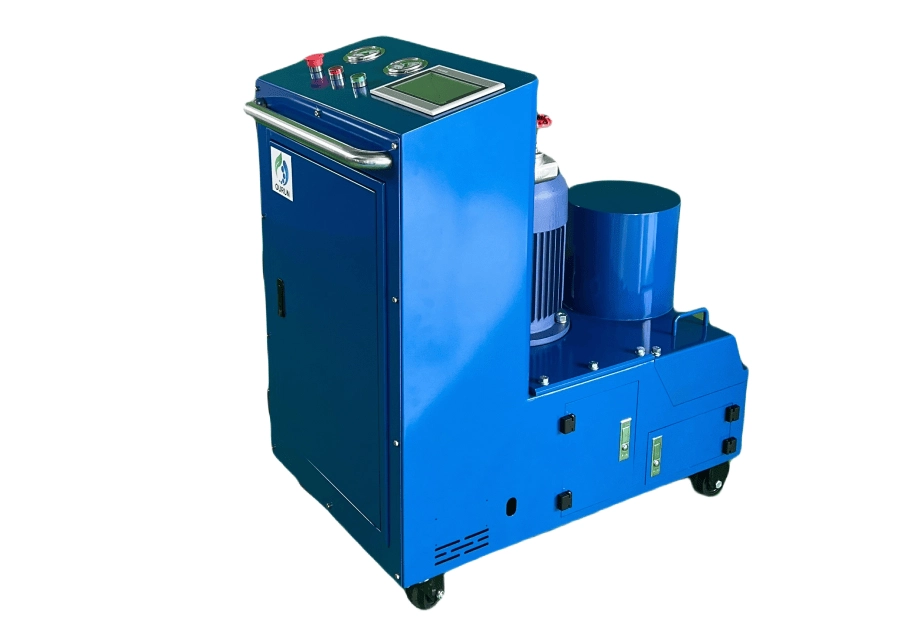
Newer models pair this approach with vacuum dehydration, a process that turns dissolved water into vapor at lower heat levels for full removal of moisture. The OURUN-KORS-308C serves as an advanced filtering setup built to take out both moisture and unwanted bits from oils with great accuracy. It manages to clear away 100% of free water and oil bubbles, plus up to 80% of dissolved water, so the oil stays in the best possible condition.
Continuous Integration with Onboard Systems
Today’s purifiers come designed for smooth fitting into the current lubrication setups on ships. After setup, they run non-stop or now and then based on how much contamination builds up and the engine’s daily work pattern. Their built-in automatic controls mean operators need to step in very little while the system keeps running at top levels.
Key Factors in Sizing a Marine Oil Purifier
Calculating Flow Rate Requirements
Choosing the right size for a marine oil purifier begins with grasping your engine’s oil use and its typical work habits. You have to figure out the full amount of oil moving around, the thickness of the lubricant in play, and the usual daily running time. The purifier’s flow speed needs to equal or go a bit beyond the speed at which dirt builds up in the whole setup.
You may discover that a device with a flow rate of 12 L/min, like the Mobile Precision Oil Purifier | 380V Skid Unit | Disaster Recovery, fits nicely for smaller to medium setups on board ships.
Consideration of Oil Viscosity and Contamination Load
Lubricants with high thickness, which show up often in marine diesel engines, bring special hurdles for filtering gear. This feature makes it a good choice for many industrial jobs, including tough machines and tools that depend on thick lubricants. You must pick gear based on how well it deals with thickness up to 680 cst without losing any edge in filtering results.
If your setup runs in spots where water gets in often, look at choices that include vacuum dehydration for extra safety.
Evaluating Onboard Constraints
Room on ships stays tight all the time. You need to check the open space for putting in the unit and make sure it works with your ship’s power source, often AC 380V. Devices such as the High-Performance Oil Filter Machines for Improved Oil Quality bring strong features while keeping a small size that lets you place them easily even in tight areas.
Installation Guidelines for Optimal Performance
Pre-installation Planning and Site Assessment
Before putting in the unit, pick a spot to mount it that gives enough room for upkeep tasks like swapping filters or checking parts. That spot should also let you run pipes properly for oil coming in and going out, plus a way for sludge to drain by gravity.
Safety counts as a big issue too. The surface for mounting has to hold the purifier’s weight steady without too much shaking, which might mess with the delicate parts inside.
Electrical and Mechanical Integration Steps
Hook the purifier up to your ship’s power setup using the right voltage, usually 380V. Ensure all electrical links follow ship rules for protection against shocks and safe circuits. On the mechanical side, blend it into your current lubrication path with matching connectors and valves to control flow.
Certain units include smart PLC control setups for easy running. The system also has PLC intelligent control, which lets you watch and tweak things precisely while it works, an important part in changing sea conditions.
Commissioning and Initial Testing Procedures
Before starting up, rinse out all the connecting pipes to clear any junk or leftover stuff that could hurt the filtering power. When it starts running, do checks to see flow speed, steady pressure, and how well it pulls out moisture.
After the treatment, the oil reaches a moisture level of ≤50 ppm, which shows the system works well against water problems.
Explore Advanced Solutions Tailored for Marine Use
380V Skid Unit: Precision Filtration Where You Need It Most
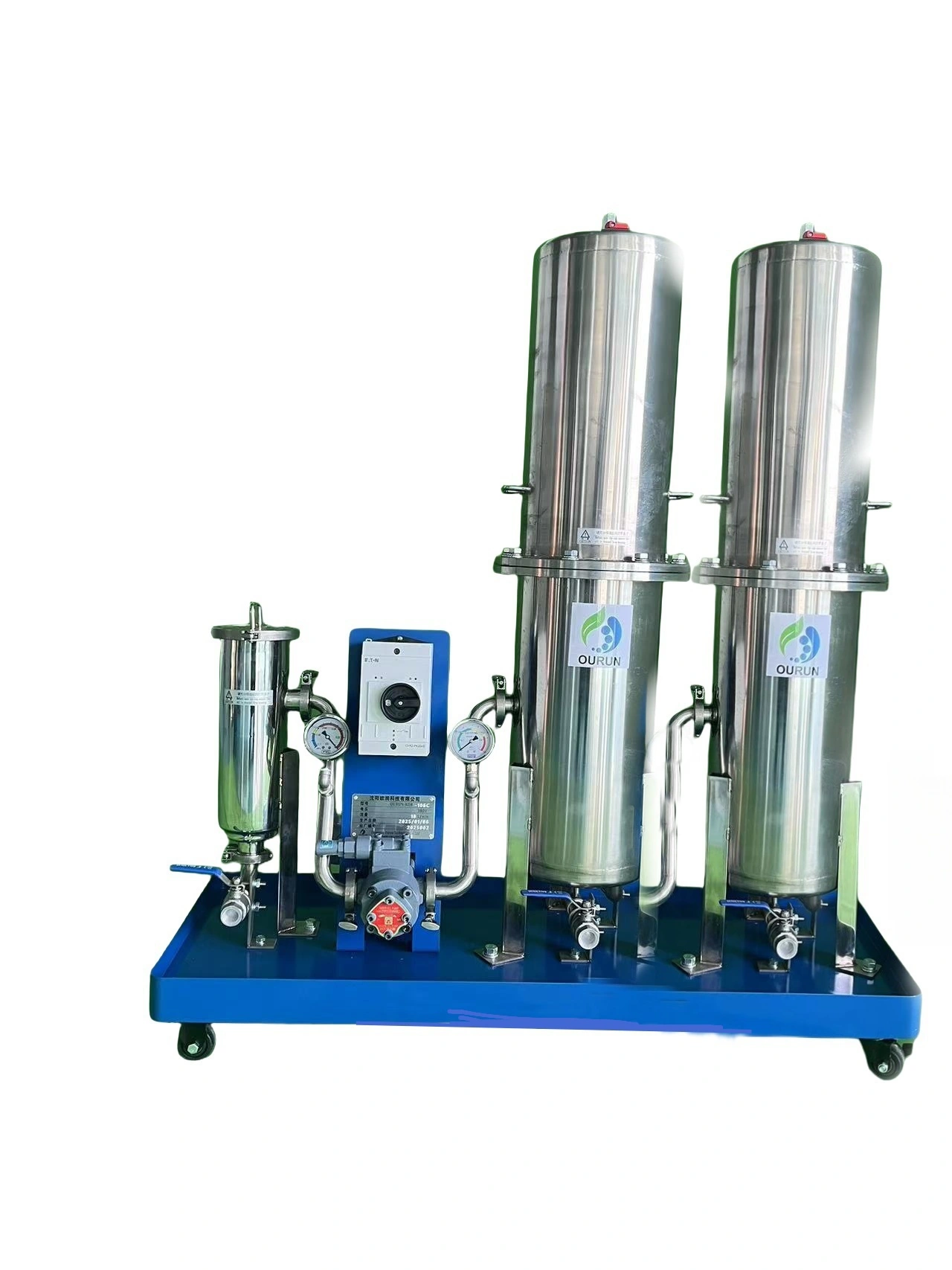
The Mobile Precision Oil Purifier | 380V Skid Unit | Disaster Recovery delivers strong filtering in a setup you can carry around. This item takes up little room and moves with ease. The main purification tank and pipes use stainless steel 304, along with a high-precision filter part. It works great for quick fixes or extra cleaning during planned stops.
No matter if you handle hydraulic oil, turbine oil, or gear oil, this setup gives multi-step filtering that pulls out tiny particles down to micron sizes and keeps moisture in check.
It helps ship workers a lot when they need fast setup without taking apart engine parts. Cut down on worker needs and oversight costs. Keep oil clean over long stretches.
Centrifugal Vacuum Units for Large-Scale Operations
For bigger ships or spots with more dirt buildup, systems based on spinning and vacuum offer top-notch work. The High-Performance Oil Filter Machines for Improved Oil Quality join spinning action with vacuum dehydration to get rid of solids, water, and air from oils, which makes them ideal for steady online running.
The setup claims 100% removal of free water and oil bubbles, and 80% removal of dissolved water. Since it needs no throwaway filter stuff and holds a lot of dirt (more than 1kg), these machines stand ready for steady work over long times.
Maintenance Tips to Maximize System Efficiency
Scheduled Inspections and Preventive Cleaning
You ought to keep watch on how often sludge comes out to stop clogs or overflows that might weaken the purifier’s work. Clean the bowl parts fully depending on how much you use it and the dirt amounts.
Watch out for parts that wear down, like filter pieces or motor bearings, following the maker’s upkeep plan.
Solving Operational Anomalies
If you spot odd drops in pressure or uneven flow speeds, look for blocked filters or air stuck in the intake pipe. For issues tied to power, double-check that the input voltage fits what the device needs and that switches work right.
Systems with smart watching can catch problems soon, which saves time and money on fixes down the line.
Partnering with Innovation: A Human-Centered Approach
If you seek custom fixes supported by solid engineering skills and practical results from the field, Ourun brings both accuracy and dependability. With strong new ideas and tech power, ourun has grown into a top player in the field. They focus on made-to-order lubrication handling systems fit to your exact work demands, from metal work to ship engines.
Their group provides help with on-site setup, regular upkeep schedules, and advice from pros that smooth out your shift to better purification gear. As part of their promise to better work and care for the environment, they keep improving tech that cuts waste and boosts running time.
FAQ
Q: How often should I run my marine oil purifier?
A: It depends on your engine’s operating hours and contamination levels. For most vessels, running the purifier during every refueling cycle or every 24–48 hours of operation is recommended.
Q: Can I install a marine oil purifier myself?
A: While some compact units are plug-and-play, it’s advisable to seek professional installation to ensure correct integration with electrical systems and lubrication circuits.
Q: What’s the advantage of vacuum dehydration over standard filtration?
A: Vacuum dehydration removes not only free water but also dissolved moisture that traditional filters can’t handle—critical for preventing oxidation and corrosion in marine engines.