

Dealing with thick industrial oils that go into gearboxes, turbines, and big machines brings clear problems because of their heavy feel and easy pickup of dirt. These oils, mostly in the ISO VG 150 to 680 group, give strong results under big pressure, yet they often gather water, hard bits, and air pockets, which cause gunk, rusting, and weaker work. Solid cleaning matters a lot to keep setups steady without using heat first or mixing in helpers, above all in hard outdoor spots. This report checks out vacuum and spinning methods, pointing out their ways of working, good sides, and uses to help choose the best fix for dirty thick oils.
Challenges in Managing High-Viscosity and Contaminated Industrial Oils
Characteristics of High-Viscosity Industrial Oils
If you run tough machines, gearboxes, or turbines, you probably face thick industrial oils. These oils, usually from ISO VG 150 to 680, show big pushback inside and move slowly at normal room heat. Their dense makeup fits them well for places with strong force, but it also sets them up for dirt piling up. Water sneaking in and rusting start gunk making easily because oil flows less, leading to real harm in how well it lubes and how reliable the whole system stays.
This explains why smart cleaning machines need to deal with these oils without stuff to make them thinner or heat ahead—mostly in outdoor jobs where you can’t always set up those things. The thickness problem stands out more when these oils meet rough places that lead to water forming or bits showing up.
Typical Contaminants Found in Industrial Oils
Dirt in industrial oils shows up in several ways. Water—loose, blended, or mixed deep—gets in from system cooling or work spills. Hard bits, such as rub-off scraps, grit, or bits left from tasks, add to scratching harm and help more harm happen. Plus, caught air from cracks or machine shaking makes bubbles that mess up force balance and cleaning work.
These contaminants include solid particles in the micron range, water generated through temperature fluctuations, and even oxidation products that can degrade the oil’s quality over time. So, good cleaning needs a careful plan fit to the sort and size of dirt.
Core Technologies for Oil Purification: A Comparative Analysis
Vacuum Purification Technology: Mechanism and Benefits
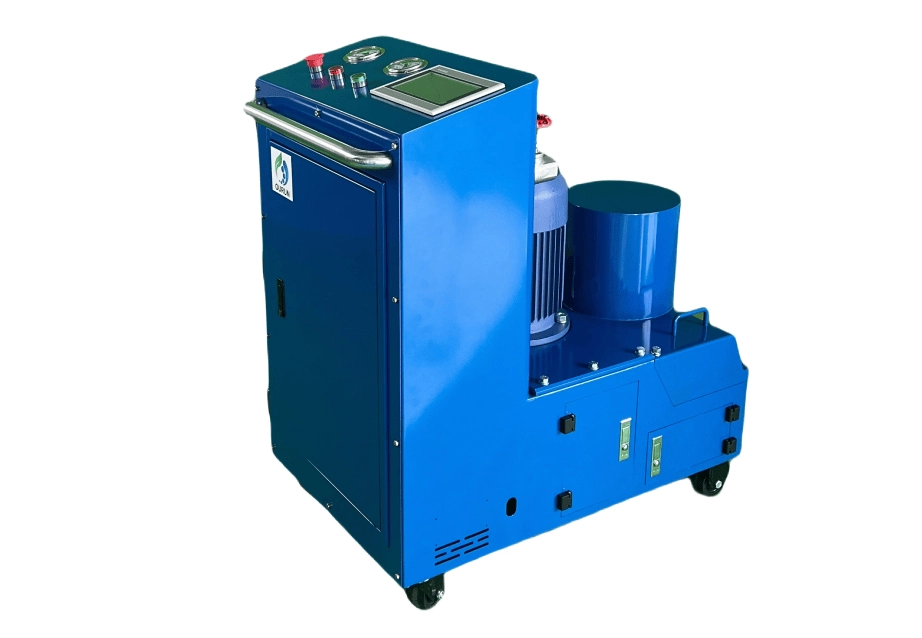
Vacuum oil cleaners run by cutting the air force in the oil space. This makes water and light air turn to steam at less heat, leaving dry and clear oil behind. The way works very well for taking out mixed water and caught air.
The OURUN-KORS-308C is a sophisticated filtration system designed to remove both moisture and impurities from oils with high precision. The device utilizes a vacuum environment to efficiently extract free water and dissolved moisture, achieving an impressive 100% water removal from free water and oil bubbles, and up to 80% from dissolved water.
This sets vacuum cleaning as a top pick for setups that can’t take much water, like turbines, transformers, and hydraulic paths with somewhat thick lubes.
Centrifugal Purification Technology: Mechanism and Benefits
Spinning cleaners fix another issue—sorting by how heavy things are. By whirling the oil quick, heavier dirt like metal bits and loose water fly out and get picked up to throw away. This runs smooth in setups with plenty of dirt and short stop times allowed.
The system uses high-precision YSO100 filter elements, which are specifically designed to remove contaminants that traditional filters may miss. Spinning setups skip needing filter parts, which keeps costs down for steady runs in rough spots like boat motors or steel factory gearboxes.
Comparative Overview: Vacuum vs. Centrifugal Oil Purifiers
When you pick between these two ways, make your call on what dirt you deal with.
-
Moisture & Gas Removal: Vacuum systems are superior at eliminating dissolved water and gas bubbles.
-
Solid Particle & Free Water Removal: Centrifugal units handle particulate-rich environments better.
On dealing with thickness:
-
Vacuum purifiers perform best with low to medium-viscosity oils under stable conditions.
-
Centrifugal systems excel with high-viscosity oils and do not require pre-treatment or dilution.
For how they run day to day, vacuum setups call for exact watch on force levels and need steady power sources. Meanwhile, spinning units stay tough overall with fewer parts that can break down from use.
Application-Focused Selection of Oil Purifiers from Ourun
Shenyang Ourun Technology Co., Ltd. is a globally recognized provider of customized oil purification solutions tailored for industrial lubrication systems. With ISO-certified manufacturing and a dedication to R&D excellence, their products are engineered to address even the most complex filtration challenges.
Mobile Vacuum Oil Purifier for On-Site Moisture Removal
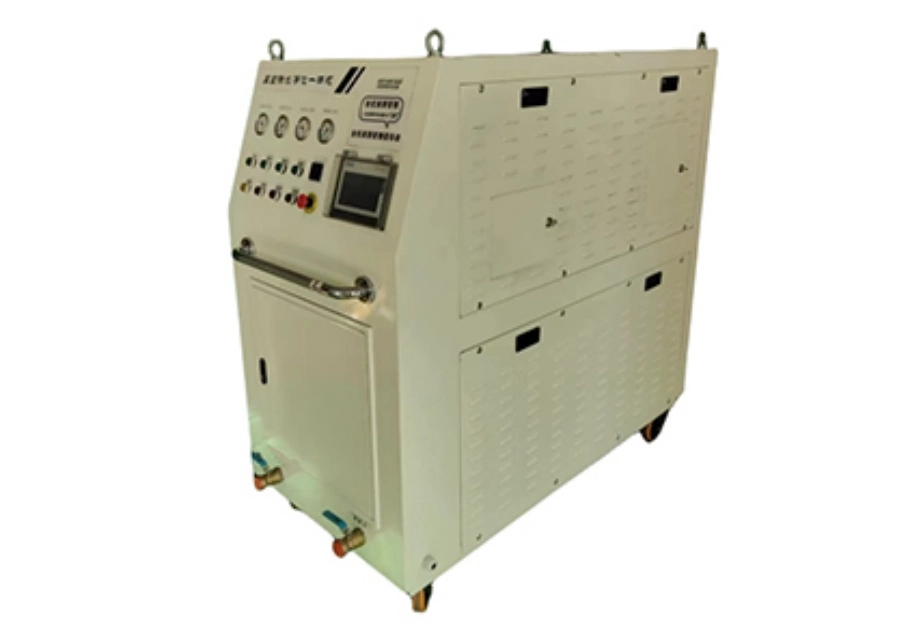
For teams keeping things running in the field on transformers or large industrial machinery, easy movement counts. The Mobile Vacuum Oil Purifier offers a trailer-mounted solution capable of removing 100% free water and bubbles and up to 80% dissolved water in high-viscosity oils (up to 680 cSt).
This series of products has high water removal efficiency. It is widely used in lubricating oils such as hydraulic oil, gear oil, turbine oil, transformer oil, compressor oil, etc.
Equipped with PLC controls and optional heaters, it’s built for efficient operation under real-world conditions without compromising safety or performance.
In practice, this mobile unit allows workers to handle oil issues right where the machines sit, saving time and cutting down on transport hassles that often slow down repairs in busy industrial sites. For example, when a turbine shows signs of water mix-in during routine checks, the team can hook up the purifier quickly and start the process without hauling oil back to a shop, which keeps production lines moving smoothly and avoids costly delays.
High-Performance Oil Filter Machines for Solid Contamination Control
For jobs full of hard dirt—like hydraulic presses or injection molding lines—a spinning way works best. The High-Performance Oil Filter Machine leverages vacuum centrifugal composite separation with no consumable filter material, large dirt holding capacity (>1kg), and excellent compatibility with oils up to 680 cSt.
It is suitable for online filtration of industrial oils such as equipment lubrication systems and hydraulic systems.
This configuration not only minimizes maintenance but also extends machinery lifespan by maintaining cleanliness levels within NAS1638 5–7.
Beyond the basics, these machines stand out in settings where dust and metal wear build up fast, such as in factories with constant machine vibration that shakes loose particles into the oil flow. Operators find that regular use of this filter keeps hydraulic rams from seizing up, which in turn prevents sudden breakdowns that could halt an entire assembly line for hours or even days, thus protecting the bottom line for businesses relying on non-stop output.
Centrifugal Oil Purifier Advantages in Heavy-Duty Applications
Heavy-duty sectors like marine propulsion or power generation deal with both high-viscosity oils and constant contaminant ingress. Centrifugal systems offer:
-
Gearbox Life Extension: Continuous removal of wear debris reduces abrasion-related failures.
-
Fuel Efficiency Gains: Sludge separation improves combustion stability in engines using heavy fuel oils.
-
Operational Continuity: Units with automatic discharge mechanisms prevent saturation-related shutdowns.
Take marine engines, for instance; they face salt water spray and fuel residues that mix into lubricants daily, creating a tough mix for any cleaning system. Centrifugal purifiers shine here by handling the heavy load without frequent part swaps, allowing ships to stay at sea longer between dock visits and cutting fuel waste from dirty oil that drags on engine power.
Enhancing System Efficiency Through Component Integration
Role of the Bubble Removal Device in Oil Purification Systems
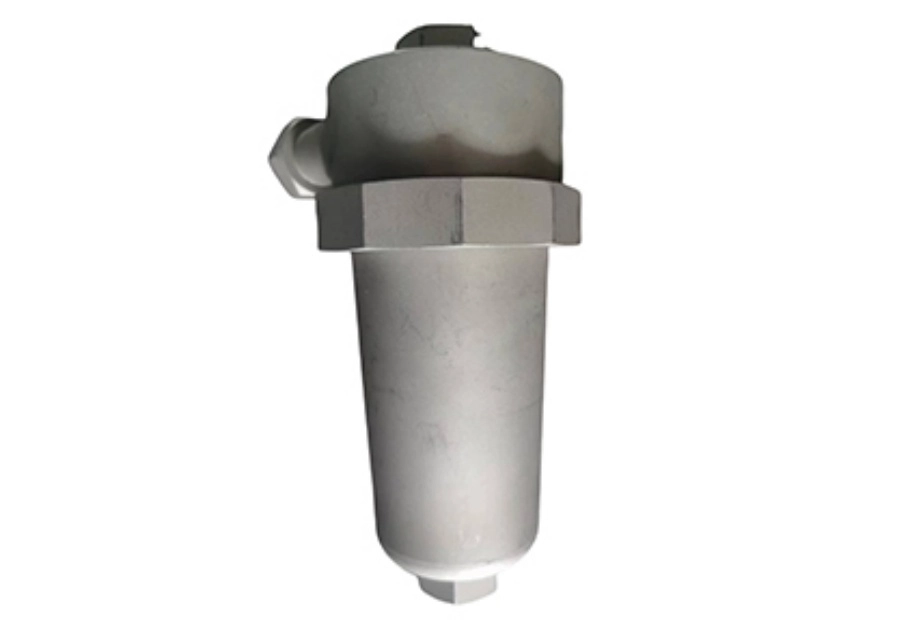
When gas entrainment is a concern—particularly in precision hydraulic circuits—the integration of a Bubble Removal Device becomes essential.
The bubble removal device uses the centrifugal separation principle of liquid. When the pressurized liquid is input tangentially, it rotates and flows in the conical cavity, and centrifugal separation occurs between the gas and the liquid.
This mechanism reduces cavitation risks during degassing stages of vacuum purification by stabilizing flow dynamics. Additionally, it supports downstream fine filtration units by eliminating air locks that could impair throughput or damage sensitive filters.
In detailed setups like those controlling robotic arms in auto plants, even small air pockets can cause jerky movements or tool failures, so adding this device ensures smooth oil delivery that matches the speed and accuracy demands of modern manufacturing, ultimately boosting overall productivity without extra tweaks.
Product Selection Guidelines Based on Operational Needs
Choosing the right oil purifier depends on understanding your specific operational parameters:
-
Contaminant Profile: Are you dealing with water ingress, solid particles, gas bubbles—or a combination?
-
Oil Viscosity: Identify your ISO VG grade; higher viscosities need systems rated up to 680 cSt.
-
Cleanliness Targets: Aim for standards like NAS 1638 Class 5–7 or ISO 4406 based on your machinery’s requirements.
Match your needs accordingly:
-
Use mobile vacuum units for on-site transformer or turbine maintenance.
-
Deploy centrifugal systems in steel mills or marine engine rooms.
-
Install bubble removal devices in hydraulic circuits requiring high response precision.
To make this clearer, consider a steel mill where gear oils pick up metal shavings from constant grinding; here, a centrifugal system would target those solids directly, while a power plant with turbine oils sensitive to moisture might lean toward vacuum tech to avoid any water-related corrosion that could lead to major outages.
Professional Support and Service Offerings from Ourun
Ourun doesn’t just manufacture equipment—they partner with you throughout your purification lifecycle:
-
Technical Consultation: Custom system design based on your oil analysis reports and usage patterns.
-
Installation & Commissioning: On-site assistance ensures seamless integration into existing setups.
-
Maintenance Services: Scheduled programs extend service life while minimizing unexpected downtime.
To explore tailored solutions that meet your operational demands, contact Ourun’s engineering team via website link.
Ourun’s approach goes further by offering training sessions for your staff, so they learn to spot early signs of oil trouble and use the equipment right from day one, which helps build long-term trust and cuts down on errors that new tools sometimes bring in busy work environments.
FAQ
Q1: What’s the best solution for both water and particle removal in high-viscosity oil?
A: A vacuum centrifugal purifier is ideal. It combines vacuum dehydration for moisture removal and centrifugal force for solids separation—efficiently handling oils up to 680 cSt without pre-heating.
Q2: How can I prevent gas bubbles from affecting filtration performance?
A: Install a bubble removal device before your fine filtration unit. This device removes entrained air via centrifugal separation and prevents cavitation damage during degassing.
Q3: Do I need: Do I need different purifiers for different contaminants?
A: Not always. Hybrid systems or modular configurations can be customized to address mixed contaminants—consult technical support to tailor a system based on your oil analysis.