

In the field of precise machines, the things you cannot spot are usually the ones that ruin your money spent on equipment. You probably keep an eye on your oil amounts and swap out your filters following a tight plan, but you still run into sudden problems like valves getting stuck, pumps breaking down, and parts wearing out too soon. All this occurs since common mechanical filters have a huge weak area when it comes to tiny metal bits under one micron. These small, sharp-as-a-knife pieces move around in your setup like hidden rough paper, slipping past usual blocks and wearing away your gear from within over time.
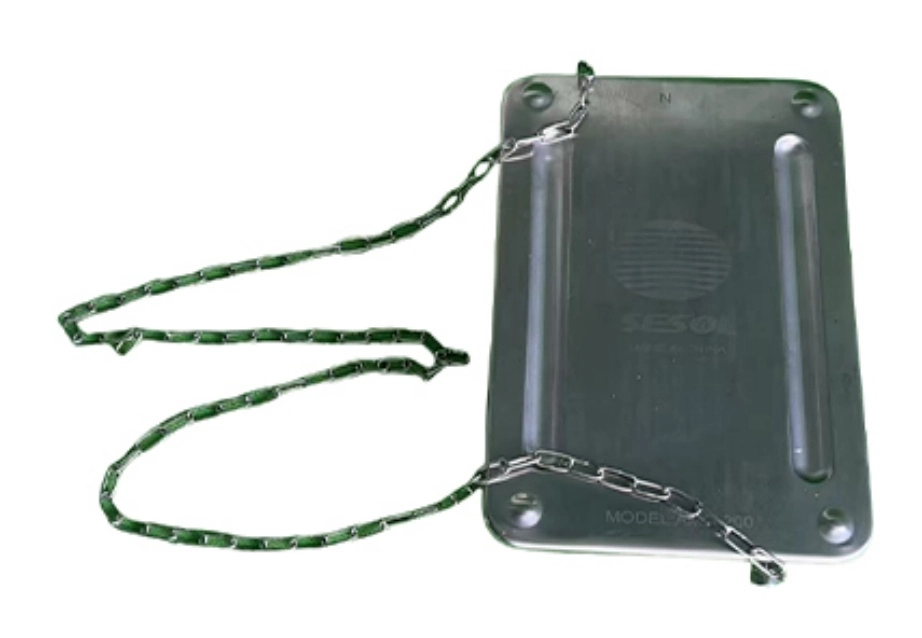
The Hidden Threat of Sub-Micron Wear
Usual cleaning methods depend on a solid wall to stop dirt. A liquid goes through a net or paper sheet, and bits bigger than the gaps stay caught. This seems like a good idea, yet it carries a big problem. To grab a particle just one micron wide, you must use a very thick filter material. But such a thick material causes a large drop in pressure, making your pumps push harder and in the end opening a side path valve. And once that valve lets go, every one of those hard-to-catch metal pieces rushes through without any hold.
These very small bits stand as the main causes of wear that spreads like a chain. When a big chunk falls from a gear tooth, it gets crushed fast into thousands of tiny fragments below micron size. Since these fragments measure smaller than the thin oil layer in your bearings and fuel sprayers, they slip into the closest spaces of your machine. They do not just stay put there; instead, they speed up rusting and more rubbing damage from mechanics. To halt this issue, you require a fix that does not count on the width of an opening, but rather on the basic traits of the dirt itself.
The Science of Active Capture vs. Passive Blocking
Magnetic pulling turns things around by applying basic rules of nature over plain roadblocks. Most trash from wear in factory systems draws to magnets because it holds iron-like pull. Rather than hoping a bit bumps into a thread, a strong magnetic pull stretches out into the liquid path and drags the metal straight to the main magnet center.
Such a method lets you catch bits as tiny as 0.1 microns while keeping the oil flow smooth and open. In a normal arrangement, as a filter fills with dirt, the speed of flow slows down a lot. But with a magnetic cleaner, the spot where bits gather sits away from the key flow line or gets built with plenty of room so that even a magnet packed full does not spark a jump in pressure. You end up with a purer setup without losing the strong push from your pumps in terms of volume handled.
Why Your Machinery Demands a Magnetic Purifier
If you handle hydraulic setups, turning machines, or big production lines, you deal with spots of high push where spaces between parts get measured in microns only. A Magnetic Purifier acts as the top safety net for these kinds of systems. By setting a strong magnetic pull right in the path of flow, you grab the fine mud of metal that old paper parts overlook completely.
This goes beyond just having cleaner oil; it ties into the rules of how fluids give power. When you clear out the metal mud from your whole system, you notice quick gains in how valves react and less heat building up inside. Since the magnet takes away the roughest parts before they hit your backup fine filters, those costly throw-away parts stay useful for much longer periods. You basically change your upkeep plan from fixing after trouble to guarding ahead of time against issues.
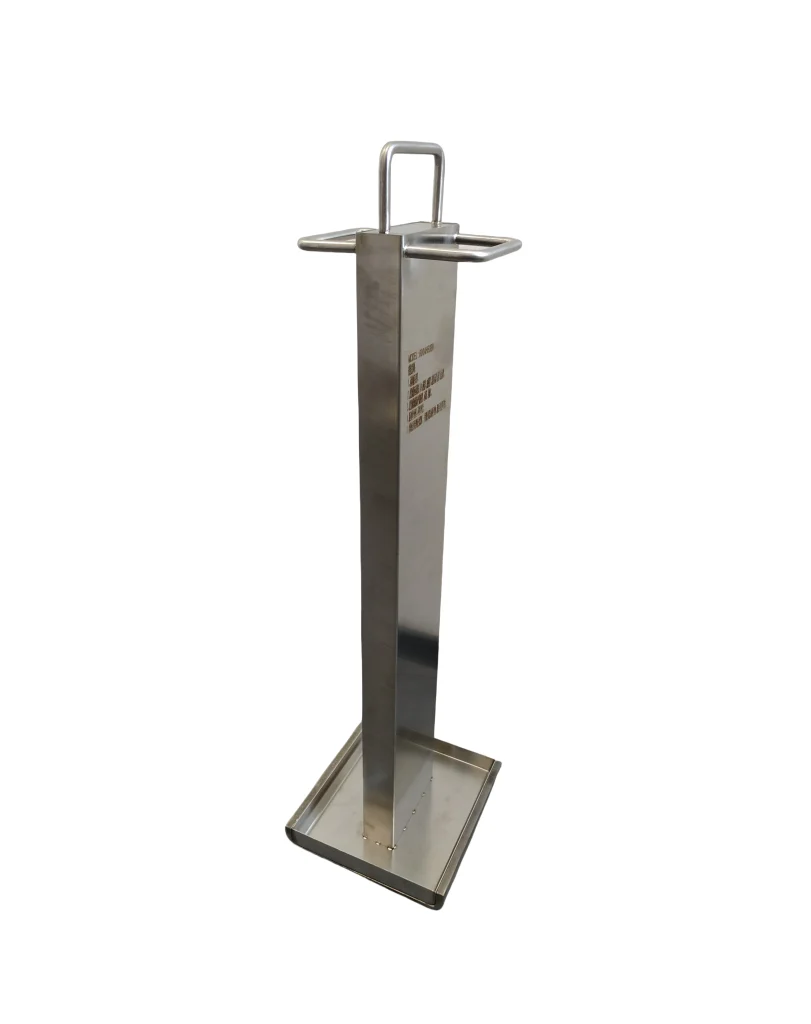
Elevating Your Operations with Ourun
When you manage tough search engine tasks and writing plans for tech fields, you understand that real trust builds from real results, not empty words alone. That is exactly where Ourun comes in to serve as your go-to helper in keeping fluids steady and reliable. We do not simply hand over tools; we supply the solid know-how base for making your machines last in industry settings. Picture us as the skilled guides for search in your gear world, where we spot the unseen holes in your cleaning approach and plug them with top-notch building skills. Our group zeros in on where toughness meets smart use, making certain that each machine part we deal with stays at lower heat, freer of dirt, and active for extended times. We put people first in our help, so when you team up with us, you reach out directly to pros who get the fine points of your exact area, be it factory building or car-level accuracy. We ensure your core stuff, like your oil and fuel, gets tuned for the best spot in how your machines perform at full strength. And in this way, we help build a stronger online presence for your business through content that ranks well and draws in the right eyes, much like how our tools keep your operations running without hitches. Ourun stands ready to boost not just your machines but also your overall strategy in a world where every detail counts toward success and growth.
Design Excellence and Environmental Impact
Moving to magnetic ways also means moving toward ways that help the earth stay healthy. Old filters create tons of factory trash; after they fill up with oil and metal bits, they go right to waste piles. A smartly made magnetic puller turns into a lasting tool you keep.
New builds use top-quality neodymium pullers wrapped in steel that fights rust. These parts stand up to hot spots and eating-away surroundings without dropping their pull power. When the puller gets full of bits, you just take out the center part, brush off the built-up mud of metal dust, and put it back in place. You face no need to buy new parts to swap, no greasy cloths to throw out, and no ongoing costs to ship items you use up. It works as a single buy that earns back its cost by cutting time lost to fixes and lowering bills for getting rid of waste. Plus, this approach fits perfectly into broader goals of green practices, where reducing throw-away items helps companies meet rules and show care for the planet in their daily work. Over time, the savings add up not just in money but in making your whole operation more responsible and forward-thinking for future challenges.
Implementation and Professional Service
Adding this tech into your current setup proves simple in steps, but it calls for an expert look to get it right. Where you place it matters most. For the best results, these tools need to sit in areas where the liquid speed stays controlled, giving the magnetic pull enough time to draw in even the smallest bits floating by.
We give more than the basic tool; we bring the know-how advice to make your setup bring the biggest gains for your money. No matter if you want a side path for a big storage tank or a direct line fix for a high-push supply, the main goal stays tied to what your work needs most. Our help group aids you in checking your now wear habits to pick the right pull strength and setup style for your kind of liquid, whether it runs thick like gear oil or stays thin as hydraulic fluid. And we go further by offering tips on how to watch over the system long-term, ensuring that your investment keeps paying off year after year without unexpected troubles popping up. This full-service mindset sets us apart, as we commit to your success from the first install through ongoing checks that keep everything at peak form.
Secure Your System’s Future
The key piece missing from your upkeep routine lies in handling what hides from plain view. By bringing in magnetic cleaning to your daily flow, you wipe out the tiny metal bits under micron that lead to the worst lasting harm. You guard your pumps well, stretch out how long your oil stays good, and cut down on marks left on the earth, all while keeping a setup that runs steady and uses less power overall.
If you feel set to end the wear that chains through your plant, get in touch with our know-how team right now. We stand able to give a full check of your current cleaning weak spots and suggest a fix that matches your flow speeds and push levels. Let us work together to make your machines hit their full possible output without any drags holding them back. In doing so, we not only protect your gear but also build a path toward smarter, more efficient ways of running things that last well into the future.
FAQ
Q: Will a magnetic filter replace my existing paper or glass-fiber filters?
A: No, it is designed to work in tandem with them. The magnetic unit removes the fine metallic “silt” and larger iron debris, which allows your mechanical filters to focus on non-magnetic contaminants like silica, dust, and fibers. This combination provides the most comprehensive protection possible.
Q: How do I know when it is time to clean the magnetic purifier?
A: Most users establish a cleaning schedule based on their initial observations. During the first month of use, you should check the magnet weekly to see the rate of accumulation. Because these units do not cause a pressure drop even when dirty, you won’t see a “clogged” indicator; instead, a simple visual inspection during routine maintenance is the standard practice.
Q: Is the magnetic field safe for the electronic sensors in my system?
A: Yes. The magnetic field is highly concentrated and contained within the stainless steel housing of the purifier. It is designed to act on the fluid passing through the internal chamber and does not emit a stray field strong enough to interfere with external PLCs, sensors, or control electronics located nearby.