

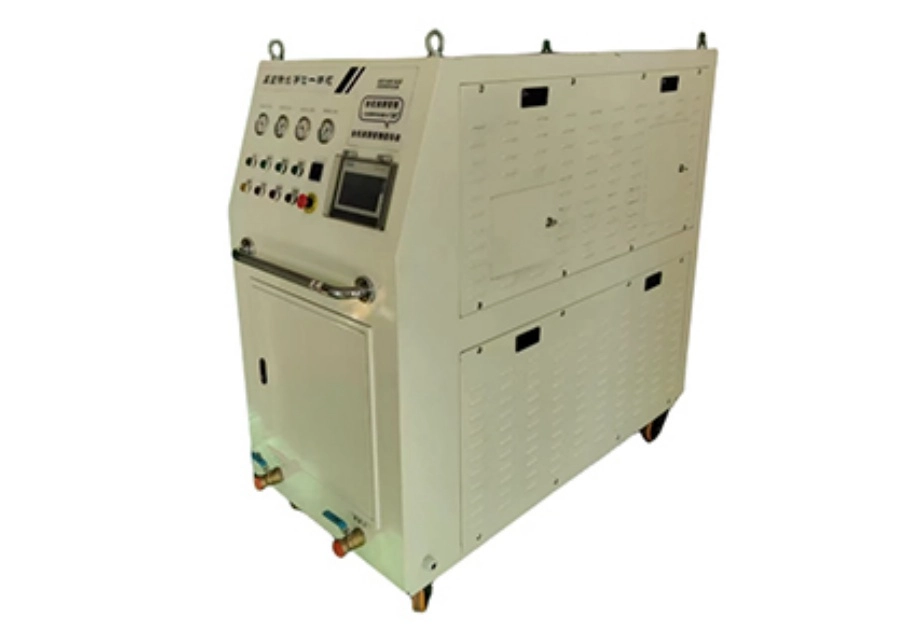
In the field of heavy industry, your equipment depends entirely on the oil that runs through it. You may view oil as just a basic lubricant, yet it serves as a key indicator of problems, a cooling agent, and a means to transfer power. Once this liquid gets tainted, your whole setup starts heading toward breakdown. Pollution in oil creates more than just routine upkeep issues; it directly cuts into your business’s earnings, causing unexpected halts in work and huge expenses for fixes. To make sure your setups perform at their best, you have to learn the skill of cleaning up fluids properly.
As you search for a reliable helper in this process, Ourun emerges as a leading expert in advanced technology focused on “customized” oil care. Located in the Shenyang Sino-German Equipment Making Industrial Area, they go beyond selling devices; they offer planned fixes matched to the tough demands of metalworking, energy production, and chemical handling. Their knowledge aids you in shifting from fixing things after they break to managing assets ahead of time, making certain that your gear lasts longer and performs better in a tough worldwide market that keeps growing more challenging every day.
The Three Killers of Industrial Oil and How to Stop Them
To guard your spending, you need to spot what threatens it first. Industrial oil deals with three main foes: solid bits, dampness, and trapped air. Each one harms your setup in its own way, but together they cause serious damage that affects everything.
1. Particulate Matter: The Abrasive Enemy
Tiny solid pieces might be too small to see without tools, but they hit hard and cause real harm. These could come from outside dirt or bits of metal worn off inside parts, and they work like rough sandpaper. They wear down valve areas, scratch cylinder sides, and ruin exact bearings. Data points out that about 80% of hydraulic setup breakdowns come straight from dirty oil. When you clear out these solids, you can cut down repair needs by almost half, which makes a big difference in keeping things running smoothly over time.
Strong filtering stands as your main shield. Exact filter parts aim to grab these tiny pollutants before they start a series of damage. By sticking to firm clean standards, you make sure your seals stay whole, stopping the drips that cause close to 40% of seal problems, and this approach helps maintain steady operations without constant worries.
2. Water Contamination: The Silent Oxidizer
Water counts as one of the trickiest pollutants because it hides well. It shows up in three types: loose, mixed in, and spread out. You might spot loose water at the tank’s base, but spread-out water stays out of sight and poses greater risks. It starts oil breakdown through rusting, uses up vital helpers in the mix, and leads to weakening of metals under heavy load from hydrogen effects.
To handle this issue, you require a setup that beats basic settling containers. The Mobile Vacuum Oil Purifier serves as the expert pick for removing water right where you work. It applies quick boiling tech inside a low-pressure space to turn water into vapor at mild heat levels, keeping your oil’s makeup safe while reaching a top level of dryness that restores it fully. This easy-to-move feature lets you handle several setups in your plant, returning oil to fresh-like state for much less money than buying new supplies, and it fits well into busy schedules without much hassle.
3. Gases and Bubbles: The Cavitation Risk
Air caught inside oil often gets ignored until it triggers a major issue. When these air pockets get squeezed in a strong pump, they burst apart. This event, called cavitation, forms small “jets” that chip away at the metal insides of your pumps in focused spots. Plus, trapped air turns your hydraulic actions soft and delayed, which lowers the speed and output of your whole line, affecting daily goals and overall results.
Regular filters fail to fix gas troubles. You need special tools like the Hydraulic Oil Deaerator, built on purpose to get rid of tiny bubbles and mixed-in gases. Clearing these out keeps pressure even, cuts down on sounds, and stops the quick heat rises from oxidation when air gets pressed fast in the liquid, all of which add up to safer and more reliable machine use over extended periods.
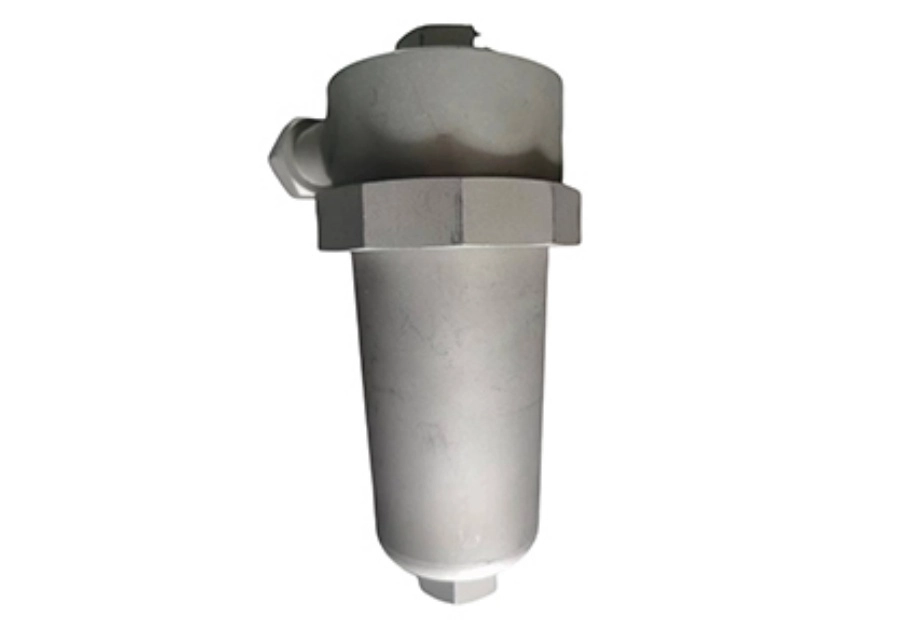
Vacuum vs. Centrifugal Purification: Choosing Your Strategy
Oil issues vary, so the gear you pick has to fit the exact dirt type in your place of work, ensuring you handle problems in the most direct way possible.
The Role of Vacuum Purification
Low-pressure setups rank as the top choice when you worry most about the oil’s makeup staying pure. For transformer oil, turbine oil, or delicate hydraulic liquids, pulling out water under vacuum proves vital. These devices shine at taking away hidden spread-out water and gases that usual filters overlook entirely. Since they work at cooler levels in a vacuum, they avoid heat damage to the oil, stretching its useful time from two years up to five or more, which brings real value in long-run savings and steady performance.
The Power of Centrifugal Separation
Spinning cleaners act as your strong options for big amounts and heavy dirt levels. These units apply huge pulling forces—usually turning over 8000 times each minute—to sort out pollutants by how heavy they are. If your oil carries lots of metal muck, thick water, or big solid bits, a spinning system handles large batches of liquid fast and effectively. Different from certain filter types that need often costly part swaps, a spinning machine typically runs without throwaway items, offering cheaper upkeep over time in rough factory settings where dirt builds up quickly and constantly.
The Tangible Benefits of Advanced Oil Management
Putting money into these methods means more than picking tools; it forms a smart plan for your wallet. When you set up a solid cleaning schedule, you often get your investment back in just 6 to 12 months through clear gains that build up steadily.
To start, you notice a sharp drop in costs for new oil buys. Rather than throwing out “worn” oil, you treat it like something you can reuse over and over. Next, you wipe out the hidden costs from work stops. In a big factory, each skipped sudden pause saves thousands of dollars in missed output worth, adding up to major yearly wins. At last, pure oil moves power better. A cared-for hydraulic setup gains 3% to 5% more work output just because rubbing and inside leaks drop low, making everything run smoother and with less waste.
More than the machines themselves, you gain from full support services. Expert advice makes sure you get not only a device but a whole plan that hits exact clean goals set by ISO rules. If you want safe designs that resist blasts in risky chemical spots or smart watchers for round-the-clock check from afar, the aim stays to give a smooth, hands-off setup that frees you to focus on main making tasks without daily oil worries pulling you away.
Final Thoughts on Fluid Health
Keeping oil clean stands as a decision that shapes how dependable your whole work is. By dealing with the “three killers”—solid bits, water, and gas—using the best mix of low-pressure and spinning tech, you protect your machines and your money. Acting early on oil care proves the strongest path to make your gear last long and produce well, all while holding repair spending in check through careful steps that pay off big.
If you feel set to quit fixing breaks and begin improving your liquid state, skilled help waits to check your oil and pick the ideal cleaning arrangement for what you need exactly, guiding you toward better results step by step.
FAQ
Q: How do I know whether I need a vacuum purifier or a centrifugal one?
A: It hinges on your main pollutant. If your oil holds spread-out water and gases (usual in transformers or turbines), a vacuum purifier becomes key. If your oil faces heavy solid muck or lots of loose water (common in sea or tough making spots), a centrifugal purifier works better for sorting out bulk amounts quickly and reliably.
Q: Can I use oil purification to avoid buying new oil entirely?
A: Though you might add a bit for small drips, top-notch cleaning can stretch your current oil’s life by 2 to 3 times without trouble. Many firms learn they return used oil to the same clean level as fresh stuff, cutting down waste to the earth and spending on new buys in ways that build lasting savings.
Q: Does air in the oil really cause mechanical damage?
A: Yes. Trapped air sparks cavitation in pumps, which wears down metal faces and brings early pump breakdowns. It also starts oil rusting and extra heat. A deaerator or bubble remover keeps the liquid firm and steady in makeup, guarding your strong-pressure parts from harm that could slow you down.