

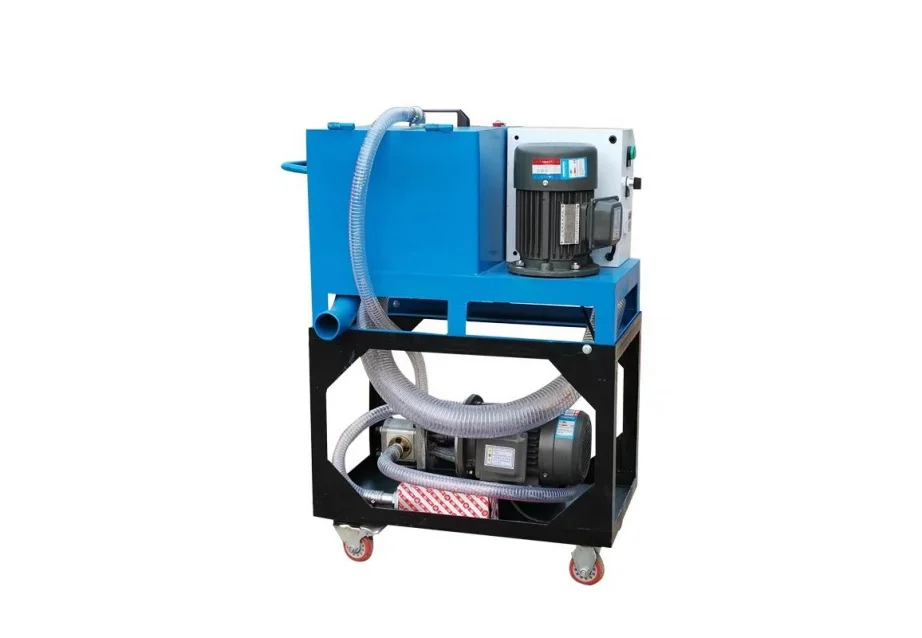
Introduction
Picture yourself in charge of a hectic shop. Machines run non-stop there. Each bit of oil helps keep everything moving without a hitch. But dirt, water, and tiny metal scraps slip in anyway. They can stop your work dead in its tracks. A centrifuge oil filter comes to the rescue. It spins out those problems fast. And you skip the pain of swapping parts all the time. If you work in factories, on ships, or with big gear, you get it. Clean oil stretches out how long your tools last. It cuts down on bad news too.
Now, let me tell you about Ourun. They lead the way in cleaning oil gear. But they act more like a reliable buddy than a plain seller. Think about it. Years of smart fixes cram into their tools. These handle the hardest tasks with spot-on care. The folks there really grasp your world. They’ve faced the mess from bad oil up close. So, they craft fixes that trim lost time. They also ramp up your speed. Do you handle big presses for oil or fan-like turbine parts? Their stuff slides in easy. Often, they tweak it for your exact speeds and thicknesses. This isn’t just talk. It’s real wins. Folks who buy from them cheer about halving fix-up bills. Their help? Just a quick ring away. Feels like talking to a work pal who knows your whole setup by heart. Check out more at Ourun. See how they flip oil woes into easy days. Here, we’ll go over how these filters run. We’ll cover why they beat others out. And we’ll show how they fit your routine jobs. Set to watch the whirl?
The Fundamentals of Centrifuge Oil Filtration
You begin with the simple facts. A centrifuge oil filter counts on real-world rules. Not on flimsy sheets or screens. It yanks junk from your oil. Right at the heart, this gadget whips up a storm of pull. That sorts things out by how heavy they feel. The thick glop or flaky rust bits shoot to the sides. But the fine oil hangs back near the center. You dodge swapping tubes. You skip fights with jams. This plan works great in spots like your oil pipes for presses. Or in engine bottoms where flow stays key.
Now, ponder the bits that keep it going. The spin bowl acts as your main mover. It twirls at paces that hit hard. A middle post pushes in the grimy blend. Openings up high free the fresh oil. And at the base, a goo holder grabs the crud. All these pieces team up smooth. They stand strong for what you throw at them.
Take the spin bowl first. It’s like the drum in a fast dryer. But way stronger. Steel or tough blends make it. So it takes the wild spins without a crack. You feed oil in through that spindle. It’s a slim tube down the middle. Pressure from your setup shoves it along. Then, as it spins, force grows huge. Think thousands of times Earth’s tug. That alone splits the bad from the good.
Ports play their part too. Clean stuff climbs out the top ones. They sit like spills over the edge. So, pure oil heads back to work. No hold-ups. The trap down low? That’s your dirt bin. It lines the walls with gunk. And when full, you dump it out. Easy as that. These basics make the whole thing click. You get clean flow without the fuss.
In your shop, this means less worry. Say you run gear that chews through oil quick. Like in a steel plant or boat motor. Junk builds up fast there. But this filter handles it. No need for fancy add-ons. Just plug it in line. And let physics do the rest. It’s straightforward. Yet it packs real power.
Step-by-Step: How a Centrifuge Oil Filter Works
Let’s break it down one bit at a time. You want to see the flow. So, we’ll go slow. First off, oil comes in dirty. Your pump shoves it into the works. Through that center post, it goes. Pressure builds as it enters. The bowl already spins wild. So, the mix hits the walls right away.
Next, the whirl kicks in hard. The whole setup hits 6,000 to 10,000 turns a minute. That’s fast. Crazy fast. Force piles on. Up to 10,000 times what you feel on the ground. Heavier bits can’t fight it. They slam out to the edges. Water drops too. They join the pile. Sludge sticks there. It forms a thick ring. But light oil? It chills in the core. Safe and sound.
Then, clean stuff rises up. Channels guide it. Or it spills over built-in lips. Out the top ports, it flows. Back to your lines. Steady and pure. No drops in speed. The bad stays trapped. It coats the bowl’s sides. Layer by layer, it grows.
Finally, you clear the mess. Time it right. Or let it auto-dump in smart models. Slow the spin a tad. Open a valve. Sludge slides out. Clean the bowl if needed. But most times, it’s quick. Back to full speed in minutes. And your oil? Crystal clear again.
This loop runs non-stop. You tie it to your main pump. In a diesel heart or press setup. Oil circles through. Gets scrubbed each pass. Junk ejects now and then. So, you keep peak shape. No full stops for cleans.
Picture it in your rig. Say a turbine whines all day. Oil heats up. Picks up bits. Without this, wear eats metal fast. But with the spin? You catch it early. Oil lasts longer. Parts too. It’s like having eyes inside the flow.
One more thing. Heat plays a role. Spins warm the oil some. That helps thin it out. Makes splits sharper. But smart builds keep temps safe. No burn risks. Just better pulls.
You see the beauty? Simple steps. Big payoffs. No magic. Just smart design at work.
Key Advantages of Centrifuge Oil Filters
Why pick this over old-school ways? You gain big. First, it grabs tiny bits. Down to 1 or 5 microns. That’s fine stuff. Paper filters miss it often. But this? No sweat. And water? Gone in a flash. Free drops fly out easy.
Costs drop too. Skip buying new pads. Or tossing used ones. That saves cash. Oil stretches out. Maybe half again as long. Less waste piles up. Your bill shrinks. In big shops, that adds up quick.
It fits anywhere. Diesel motors. Fan oils. Gear boxes in plants. You name it. Handles thick or thin flows. Hot or cool setups. Versatile pick for sure.
Green side shines bright. Less oil to ditch. Fewer parts in trash. You meet rules easier. And cut your mark on the world.
Run it steady. No jams to fix mid-shift. Downtime? Rare as hen’s teeth. Your crew stays busy. Output climbs.
Pair it with checks. Some have gauges. Show purity live. You spot issues fast. Act before they bite.
In tight spots, like ships at sea. Space counts. This packs small. Power draw stays low. Easy win.
Folks swear by it. Less breakdowns. Smoother days. You feel the shift once in.
Bottom line? It pays back fast. Worth the switch.
Ourun’s Centrifuge Oil Filter Solutions in Action
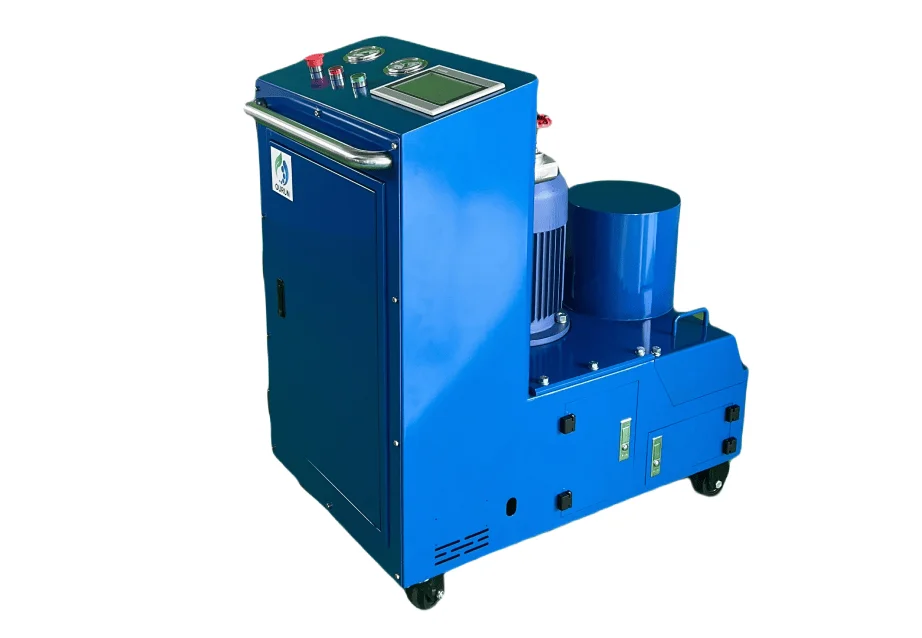
Time to spotlight real gear. Take the Vacuum Centrifugal Oil Filter. It blends spin with pull. Sucks out air bubbles too. Perfect for turbine or press oils. You get dry, clean flow. No foam to fight.
Or check the Manual Centrifugal Oil Filter Equipment. Hands-on control. Dump sludge when you say. Fits shops on budgets. Still packs the punch.
These tie into bigger lines. Like high-output cleaners for better oil grade. They scrub deep. Boost quality fast. Or fine bits for press, lube, and plant jobs. Tailored holds. From 1 micron up. You pick the fit.
See it live. In a mill that rolls steel hot. Oil gums up quick there. Junk from heat and grind. Plug in one of these. Watch wear drop 30%. Gear lasts years more. Output holds steady. No surprise halts.
Customize it your way. Match your oil’s feel. Or speed needs. They tweak bowls. Ports. Even dump times. So it hugs your setup tight.
In power spots, like fans that spin huge. Oil keeps bearings slick. But dust sneaks in. This filter stands guard. Pulls it out cold. Heat stays even. No fires from grit.
Boat crews love them. Salt air bites oil hard. Water mixes in waves. Spin clears it all. Engines purr longer. Fuel burns clean.
You run a press line? Leaks mean sludge fast. These handle loads heavy. No choke. Flow stays true.
Clients share tales. One cut oil buys in half. Another skipped a full tear-down. Saved weeks. You could too.
These aren’t off-shelf junk. Built to last. Steel frames. Seals that hold. Motors quiet but strong.
Add monitors if you want. Track clarity real-time. Alerts ping your phone. Peace of mind.
In your world, they slot easy. Bolt on. Wire up. Run tests. Done. Output jumps day one.
Why wait? Grab one. Feel the ease.
Conclusion and Next Steps
Wrap it up. You now grasp the whirl. How it splits clean from crud. Why it beats the pack. And how top picks make it real.
Step up. Eye your setup. Spot oil woes. Swap in a spinner. Watch gains roll.
Last note on help. Full back-up waits. On-site fits. Crew trains. Round-clock fixes. They max your buy. Chat experts free. Start today.
FAQs
Q: How often do I need to empty the sludge in a centrifuge oil filter?
A: It depends on your oil’s dirt load. In heavy use, check weekly. Light jobs? Monthly works. Most models have sights to gauge it. Empty when half full. Keeps spins smooth.
Q: Can this filter handle hot oil straight from a machine?
A: Yes. Builds take up to 80°C easy. Some go higher. It thins the oil. Makes cleans sharper. Just match your temps to the spec sheet.
Q: Is setup hard for someone new to this?
A: Not really. Bolt to a frame. Hook hoses. Wire power. Run a test loop. Takes a day tops. Guides walk you through. Or call for hands-on aid.