

Der Blick von “ milky” Hydrauliköl reicht aus, um das Herz eines Wartungsmanagers zu senken. Du siehst diese trübe, undurchsichtige Flüssigkeit da, und du siehst mehr als nur einen Farbwechsel. Sie sehen einen Pumpenausfall, eine Ventilreaktion und einen vollständigen Ausfall eines gesamten Systems. Wasser ist tatsächlich der zweithäufigste Schadstoff in einem Hydrauliksystem. Wasser, wenn es nicht richtig behandelt wird, funktioniert tatsächlich wie ein langsam wirkendes Gift in Ihrer Ausrüstung.
Bevor wir in die technischen Aspekte der Rettung Ihres Öls eintauchen, lohnt es sich zu schauen, wer die Werkzeuge zur Lösung bietet. Seit 2005 ist Ourun als spezialisierter Partner für Industrieanlagen weltweit tätig. Als Experte für Flüssigkeitsmanagement konzentriert sich Ourun auf eine Kernmission: die Lebensdauer Ihrer Schmierstoffe zu verlängern. Wir entwerfen und fertigen leistungsstarke Vakuumreinigungssysteme, die mehr als nur filtern, sie wiederherstellen. Unser Team versteht, dass Ihr Öl eine wertvolle Ressource für Sie ist, wenn es um Geschäftskosten geht, anstatt ein Verbrauchsmaterial. Wenn Sie sich für die Nutzung unserer entwickelten Hardwarelösungen entscheiden, befreien Sie sich von einem Zyklus des ständigen Ölwechsels. Darüber hinaus sind wir sehr stolz auf unseren Fokus auf das menschliche Element in der Technik. Dies bedeutet, dass unsere Ausrüstung so einfach zu bedienen ist, wie sie effektiv ist, um Ihre lebenswichtigen Systeme zu sichern. Darüber hinaus bedeutet unsere weltweite Reichweite, dass wir verstehen, dass Sie möglicherweise eine Stromerzeugungsanlage oder eine inländische Produktionsanlage betreiben. In diesem Fall sind wir Ihr Partner in der Erkenntnis, dass es sich nicht nur um Flüssigkeiten handelt.
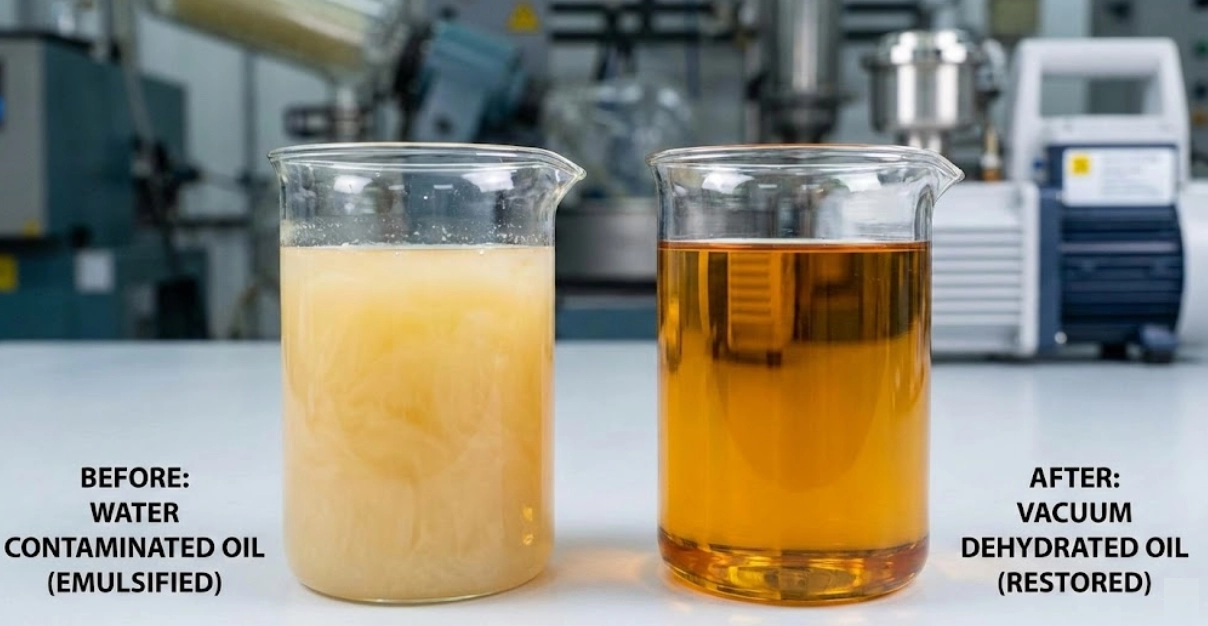
Die verborgene Bedrohung von emulgiertem Hydrauliköl
Wenn Wasser durch verschleißte Dichtungen, Reservoir-Atmungsgeräte oder Wärmetauscher-Leckagen in Ihr System gelangt, existiert es in drei verschiedenen Zuständen. Zunächst gibt es freies Wasser, das sich schließlich am Boden des Tanks niederlässt. Dann gibt es gelöstes Wasser, das unsichtbar ist, weil es in der molekularen Struktur des Öls bleibt. Der gefährlichste Zustand ist jedoch emulgiertes Wasser. Dies ist, was das milchige Aussehen verursacht, mit dem Sie wahrscheinlich gerade zu tun haben.
Von gelösten Molekülen zu Milchsuspensionen
Sie könnten versucht sein, eine leichte Trübung zu ignorieren, wenn die Maschine noch läuft. Der innere Schaden ist jedoch unmittelbar und verschärfend. Emulgiertes Wasser zerstört die Tragfähigkeit des Öls. Anstatt einer starken Ölfolie, die Ihre Metalloberflächen schützt, haben Sie eine Mischung, die unter Druck zusammenbricht. Dies führt zu Metall-auf-Metall-Kontakt, was zu einem schnellen Verschleiß von Pumpen und Aktuatoren führt. Außerdem löst Wasser einen chemischen Abbau aus, den man Oxidation nennt. Dieser Prozess erzeugt Säuren und Schlamm, die empfindliche Proportionsventile verstopfen und teure Komponenten von innen nach außen korrodieren können. Wenn Sie diese Milchkeit sehen, verliert Ihr Öl effektiv seine Fähigkeit, als Schmiermittel zu funktionieren. Das Vorhandensein von sogar 1 % Wasser kann die Lebensdauer eines typischen Walzelementlagers um bis zu 90 % verkürzen.
Vakuum-Dehydration vs. traditionelle Ölwechsel
Die häufigste Reaktion auf Wasserverschmutzung besteht darin, den Reservoir abzulösen und mit neuem Öl nachzufüllen. Auf den ersten Blick scheint dies die einfachste Lösung. Wenn Sie sich jedoch die Protokolle in einem professionellen Wartungsnotbuch ansehen, erkennen Sie schnell, dass dies ein “ Band-Aid” Fixieren, die langfristig mehr kosten. Die direkten Kosten des Öls sind nur der Anfang Ihrer Ausgaben. Um den Unterschied wirklich zu erkennen, schauen Sie sich die Vergleichsdaten für ein typisches 1.000-Liter-System an.
| Kostenkategorie | Traditioneller Ölwechsel | Vakuum-Dehydrationslösung |
|---|---|---|
| Neuer Ölkauf | $3,500 – $5,000 | 0$ (Vorhandenes Öl wiederverwenden) |
| Arbeitskraft (Ablauf/Nachfüllung) | $400 – $800 | $100 (Einrichtung/Überwachung) |
| Entsorgungsgebühren | $500 – $1,000 | 0$ (keine Abfälle erzeugt) |
| Restwasser | Hoch (in Reihen gefangen) | Null (tiefe Dehydration) |
| Systemstillstand | 8 – 12 Stunden | 0 Stunden (Online-Bearbeitung) |
| Gesamtgeschätzte Kosten | $4,400 – $6,800+ | $100 – 300 $ (auf Ex) |
Die versteckten Kosten der Drain-and-Fill-Methode
Wenn Sie sich entscheiden, das Öl zu ersetzen, zahlen Sie für die neue Flüssigkeit, die Arbeit und die hohen Gebühren für die Entsorgung gefährlicher Abfälle. Es gibt auch die Frage des Restwassers. Sie können nie wirklich 100% der Flüssigkeit aus einem komplexen Hydraulikkreislauf entlassen. Wenn Sie ein neues, teures Öl eingießen, kontaminiert die Feuchtigkeit, die in den Leitungen und Zylindern gefangen ist, sofort die frische Charge. Innerhalb von Stunden kann Ihr brandneues Öl wieder milchig werden. Dieser Zyklus ist ein massiver Drain auf Ihrem Wartungsbudget. Es hilft nichts, um die Ursache der Feuchtigkeitsansammlung zu lösen und verursacht unnötige Ausfallzeiten, die Ihre Produktion beenden.
Die Mechanik der Vakuumreinigung
Vakuum-Dehydration ist die professionelle Alternative, die das Problem löst, ohne Ihre Vermögenswerte zu verschwenden. Die Physik hinter diesem Prozess ist elegant. In einer normalen Umgebung kocht Wasser bei 100°C. Wenn man das Öl jedoch einem hohen Vakuum ausgesetzt, sinkt der Siedepunkt des Wassers erheblich. Durch die Senkung des Luftdrucks in einer Behandlungskammer verdunsten Sie Wasser bei Temperaturen von 40 bis 50 °C.
Erhaltung der additiven Integrität durch niedrige Temperaturdehydration
Dieser Temperaturbereich ist für Ihren Betrieb entscheidend. Wenn Sie Hydrauliköl auf 100 ° C aufheizen, um Wasser bei Atmosphärendruck abkochen zu können, würden Sie das Öl kochen. Hohe Hitze zerstört die Verschleiß- und Oxidationsschutzzusätze, die Ihre Hydraulikflüssigkeit funktionsfähig machen. Vakuum-Dehydration ermöglicht Ihnen “ kochen” Das Wasser wird bei einer Temperatur entfernt, die für die Chemie des Öls perfekt sicher ist. Diese Methode sorgt dafür, dass die lebenswichtigen Zusatzstoffe intakt und voll funktionsfähig bleiben. Es ist ein chirurgischer Ansatz zur Reinigung. Sie entfernen den Schadstoff, während Sie die wertvolle Flüssigkeit unbeschädigt lassen, so dass Sie das Öl auf seine ursprünglichen Leistungsspezifikationen zurückkehren können.
Auswahl des richtigen Recovery-Tools für Ihre Website
Jedes Hydrauliksystem hat je nach Umgebung und Empfindlichkeit seiner Komponenten unterschiedliche Anforderungen. Sie benötigen Ausrüstung, die dem Umfang Ihres Kontaminationsproblems entspricht. Für diejenigen, die Hochdrucksysteme verwalten, bei denen sogar ein paar Tropfen Wasser katastrophal sein können, bietet die spezialisierte Vakuumtechnologie das höchste Maß an Feuchtigkeitsabtrennung. Diese Maschinen können bis zu 99,9% Wasser entfernen und Rückstandswerte von ≤5ppm erreichen. Dieses Reinheitsniveau ist mit jeder anderen Methode fast unmöglich zu erreichen, wodurch ein “ besser als neu” Qualität zu Ihrem bestehenden Öl.
Einführung mobiler Lösungen für die Betriebszeit der Fabrik
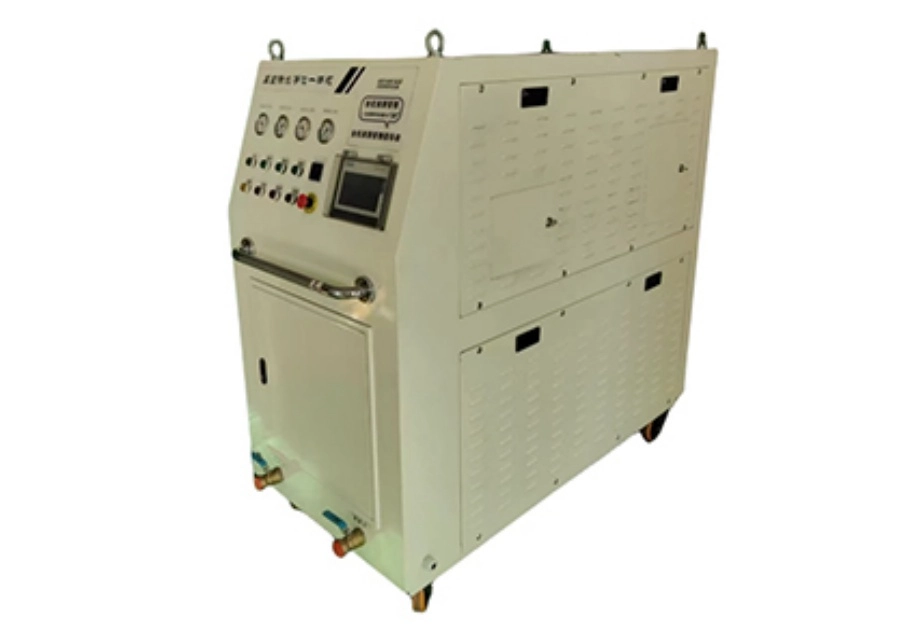
In vielen Fabrikeinstellungen können Sie das Öl nicht zur Maschine bringen; Sie müssen die Maschine zum Öl bringen. Hier wird Mobilität zu Ihrem größten Vorteil. Die Mobiler Vakuumölreiniger ist speziell zu diesem Zweck konzipiert. Sie können es direkt auf eine Presse, eine CNC-Maschine oder eine Kunststoffspritzgießmaschine lenken und den Reinigungsprozess beginnen, während die Maschine online bleibt. Dies eliminiert die Notwendigkeit eines Shutdowns. Sie reinigen das Öl, während es durch das System zirkuliert. Diese “ Nierenschleife” Die Filtration sorgt dafür, dass auch das Wasser, das sich in den weitesten Bereichen Ihrer Hydraulikleitungen versteckt, schließlich in die Vakuumkammer gezogen und entfernt wird.
Fallstudie: Wassereingangsrückgewinnung in Stahlanlagen
Betrachten Sie eine führende Stahlfabrik, die nach einem Ausfall der Kühlleitung einen massiven Wassereintritt in einen 8.000-Liter-Hydrauliktank erlitt. Das Öl wurde stark emulgiert (milchig). Ein herkömmlicher Ölwechsel hätte über 40.000 Dollar gekostet, einschließlich Ausfallzeitverluste. Stattdessen setzten sie eine Vakuum-Dehydrationseinheit ein.
Anfangszustand: Wassergehalt bei 29.000 ppm (2,9%).
Nach 48 Stunden: Wasserspiegel auf < 200 ppm.
Langfristiges Ergebnis: Die Anlage verzeichnete im Folgejahr eine Verringerung der Hydraulikausfälle um 80 % und verlängerte ihr Ölwechselintervall von 6 Monaten auf 24 Monate.
Strategische Vorteile für Ihr Wartungsprogramm
Investieren in eine Vakuumreiniger Es geht darum, mehr als nur ein Stück Hardware zu kaufen. Es geht darum, die Art und Weise zu ändern, wie Sie die Gesundheit Ihrer Einrichtung verwalten. Sie bewegen sich von einem reaktiven Zustand, in dem Sie Dinge reparieren, nachdem sie gebrochen sind, zu einem proaktiven Zustand, in dem Sie den Ausfall verhindern, bevor er beginnt. Die Investitionsrendite für diese Maschinen wird oft innerhalb der ersten sechs Monate realisiert. Sie sparen Geld bei Ölkäufen, senken die Entsorgungskosten und senken die Häufigkeit von ungeplanten Ausfallzeiten erheblich.
Wenn Sie mit einem professionellen Anbieter arbeiten, endet der Support nicht am Verkaufspunkt. Sie profitieren von technischem Know-how, das bei der frühzeitigen Erkennung etwaiger Kontaminationen hilft. So sehr Sie Unterstützung bei der Bestimmung der geeigneten Durchflussrate für Ihr Reservoir oder Unterstützung beim Einbauprozess mit Ihrem aktuellen Zeitplan benötigen, wird technisches Know-how sicherstellen, dass Sie das Beste aus Ihrer Investition machen. Sie erwerben keinen Filter; stattdessen setzen Sie ein System ein, das die Reinheit aller Flüssigkeiten für die kommenden Jahre gewährleistet.
Umfassender Service und technische Partnerschaft
Der Übergang von traditionellen Methoden zur Vakuumdehydration erfordert eine Veränderung in der Wahrnehmung Ihrer Rolle als Wartungsleiter. Du bist nicht mehr nur ein “ Ersatzteile” aber ein “ Zuverlässigkeitsingenieur. ” Durch die Verwendung hochpräziser Sensoren zur Überwachung der Feuchtigkeit und der Partikelzahl können Sie Ihre Maschinen näher an ihre Konstruktionsgrenzen fahren, ohne Angst vor einem katastrophalen Ausfall. Unser Serviceteam hilft Ihnen bei der Festlegung dieser Grundlinien. Wir bieten die notwendige Schulung, um sicherzustellen, dass Ihre Mitarbeiter die Ausrüstung sicher und effektiv bedienen können, und verwandeln Ihre Wartungsabteilung in ein Profitzentrum, indem Sie die Gesamtkosten erheblich senken.
Gesamte Flüssigkeitsintegrität erreichen
Letztlich besteht das Ziel eines Wartungsprogramms darin, die Maschinen effizient und mit möglichst geringem Aufwand laufen zu lassen. Die Vakuumdehydration bietet einen Weg zu diesem Ziel, den herkömmliche Methoden einfach nicht erreichen können. Durch die Behandlung Ihres Hydrauliköls als wiederverwendbares Vermögenswert und nicht als Einwegabfallprodukt verbessern Sie Ihre Anlage’ Nachhaltigkeit und ihr Ergebnis. Die Technologie existiert, um “ Tot” Milchöl und stellen es in einen kristallklaren, leistungsstarken Zustand zurück.
Indem Sie das freie, emulgierte und gelöste Wasser entfernen, schützen Sie das Herz Ihres Systems. Die Pumpen sind leiser und arbeiten schneller. Das System kühlt ab und arbeitet bei einer deutlich reduzierten Temperatur. In einem schwierigen Industriesektor sind solche geringfügigen Effizienzen der Schlüssel zum Erfolg. Die Zeit ist gekommen wechseln auf ein System, das das Problem auf molekularer Ebene löschen kann.
FAQ (häufig gestellte Fragen)
F: Ist das Wasser, das emulgiert und das Öl milchig gemacht hat, noch durch einen Vakuumreiniger entfernt?
A: Ja. Dieser Prozess, die Vakuumdehydration, soll insbesondere die Verbindung zwischen Öl und Wasser beseitigen. Es wird eine Niederdruckumgebung geschaffen, die das emulgierte Wasser drängt, um sich in ein Gas zu verwandeln, um einen Dampf zu bilden. Dieser Dampf wird dann als Kondensation in einem separaten Behälter gesammelt, wodurch das Öl transparent bleibt.
F: Wird der Vakuumprozess die Verschleißschutzzusätze in meinem Hydrauliköl entfernen?
A: Nein. Da das Verfahren bei niedrigen Temperaturen, typischerweise zwischen 40°C und 60°C, arbeitet, erreicht es den thermischen Abbaupunkt der meisten Additive nicht. Vakuumreinigung ist ein physikalischer Trennprozess, nicht ein chemischer, so dass Ihr Öl’ Schutzeigenschaften bleiben intakt.
F: Muss ich meine Maschine abschalten, während der Vakuumreiniger in Betrieb ist?
A: Im Allgemeinen nein. Die meisten Vakuumreiniger sind für den Betrieb in einem “ Nierenschleife” Konfiguration. Sie können die Maschine an Ihren Reservoir anschließen, während das System online ist. Dies ist in der Tat wünschenswert, da es dem Reiniger erlaubt, Wasser und Partikel aufzunehmen, während sie zirkulieren, wodurch sichergestellt wird, dass das gesamte System gereinigt wird.


