

تعريف الطرد المركزي للزيت النفايات
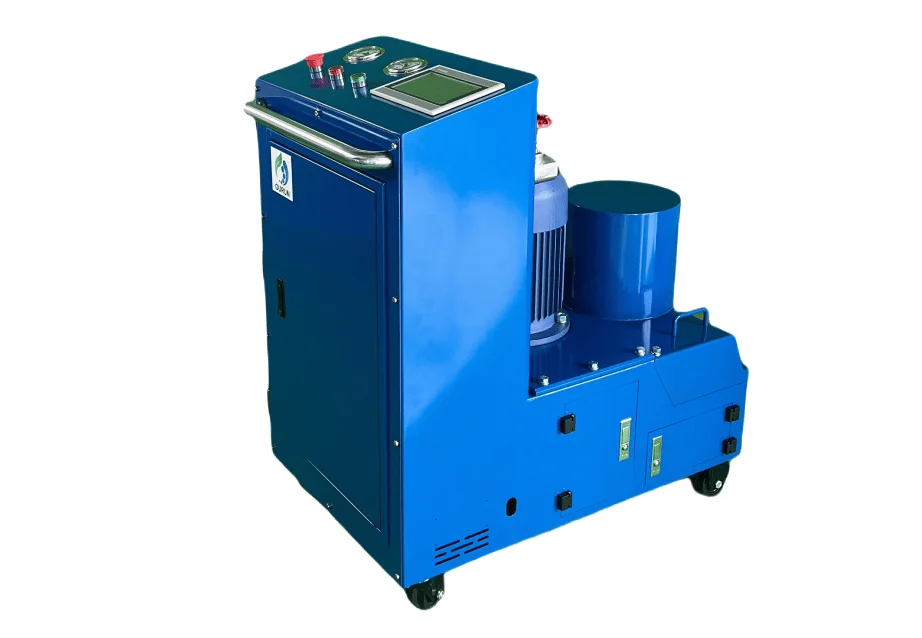
تعمل جهاز الطرد المركزي للزيت النفايات كأداة موثوقة بنيت لتطهير الأوساخ من الزيت القديم أو المستهلك. يعمل من خلال حركة تدوير قوية تقوم بتفكيك القطع غير المرغوب فيها حسب ثقلها ، لذلك ينتهي بك الأمر مع زيت طازج جاهز للاستخدام مرة أخرى. هذا الإعداد يثبت أنه مفيد حقا في إعدادات المصنع حيث الحفاظ على السوائل بلا بقع مهمة كثيرة لعمر الآلة والعمل السلس.
تعتمد الفكرة الرئيسية وراء فلاتر الزيت الفراغية الطرد المركزي على تدوير أجزاء مختلفة في مساحة سريعة التحول بسبب اختلافات وزنها. عندما يتدفق الزيت القذر إلى حاوية الدوار السريع ، والتي غالبا ما تدور أسرع من 8000 دورة في الدقيقة ، يتم رمي الأشياء الثقيلة مثل قطع المعدن ، والكوك السميك ، والماء إلى الجانبين ، في حين يبقى الزيت النظيف في الوسط.
إذا كنت تتعامل مع الزيت للآلات أو أنظمة الطاقة وتريد الاستفادة بشكل أفضل من الزيت مع تقليل نفقات الصيانة ، فإن التحقق من خيارات تنظيف الزيت القوية يصبح مهمًا. أحد أكبر الموردين لهذه الأدوات هو أورون. تأتي أجهزة تنظيف الزيت الذكية الخاصة بهم مع إعدادات التحكم الصعبة القائمة على PLC والدوار تحت تقنية الضغط المنخفض ، مما يعطي تنظيف ثابت لجميع أنواع زيوت المصنع. بغض النظر عما إذا كنت بحاجة إلى تنظيف مستمر في الأماكن الصعبة أو التعامل مع الزيوت السميكة ، فإن أدواتها تناسب بشكل جيد وتعمل بسلاسة.
التطبيقات الرئيسية في البيئات الصناعية
تلعب أجهزة الطرد المركزي للنفايات دورا كبيرا في المجالات التي تعتمد على أنظمة الطاقة والنفط. تشاهدهم كثيرا في محطات الطاقة، محركات السفن، آلات المصانع الكبيرة، وأي مكان يضر فيه الزيت القذر بكيفية تشغيل الأمور.
في مثل هذه الأماكن ، يهم الزيت النقي أكثر من مجرد كونه لطيفًا. إنه يمنع الأشياء من الانهيار. القذارة في خطوط الكهرباء أو مسارات الزيت يمكن أن تتآكل الأجزاء بشكل سيء أو تسبب تعطلات كاملة. من خلال سحب القطع العائمة والمياه المختلطة باستمرار ، تحافظ هذه المنظفات الدوارة على السوائل في شكلها العلوي.
ترى فلاتر الزيت الفراغية الطرد المركزي استخدام شائع في مجالات الطاقة والنفط والكيمياء لتنظيف البضائع النفطية. كما تساعد في مناطق السيارات ، حيث تصلح الزيوت القديمة للاستخدام في مهام أبسط ، مما يقلل من تكاليف التشغيل.
دور الفصل الطرد المركزي
على عكس الترشيح القديم ، يستخدم التدوير القواعد الأساسية للطبيعة ، وهي فجوة الوزن بين الزيت الجيد والقذارة ، لتقسيم الأشياء.
مع دخول الزيت المليء بالقذارة والرطوبة إلى حاوية القرص السريعة التحول ، عادةً عند 8000 دورة في الدقيقة أو أكثر ، ترسل قوة السحب من الدوار القذارة الثقيلة والرطوبة إلى الجانبين ، ويبقى الزيت الأفضل في النواة. هذه الطريقة تسمح لها بالتعامل ليس فقط مع القطع الكبيرة ولكن أيضًا مع المياه المختلطة والهواء المحاصر الذي يضر بجودة الزيت.
بجانب الطرق المعتادة ، يمكنك الاستفادة من أوقات التنظيف السريعة حقا ، وغالبا ما تنهي جولة واحدة في 3 إلى 5 دقائق. بالإضافة إلى ذلك ، تدير كل جولة من 20 إلى 25 كيلوغرام من الزيت ، مع القليل من الحاجة إلى التوقف في الرعاية.
أنواع الملوثات التي تم إزالتها
الطرد المركزي للزيت يعمل بشكل جيد في تنظيف أنواع مختلفة من الأوساخ. وتغطي هذه:
-
قطع صلبة مثل تراكم الكربون ، والمخلفات المعدنية ، والحبة
-
الماء، سواء كان فضفاضا أو مختلطا في
-
الهواء المحاصر داخل النفط
في مجال بناء الآلات ومجالات السيارات ، يمكن للزيت للتسوية التقاط الأوساخ مثل الخردة المعدنية والشحم والرطوبة أثناء الاستخدام. إذا لم يتم إصلاحها ، فإن هذه الأوساخ تتخلل مع سمك الزيت والتعامل الحراري ، مما يسبب أضرار مبكرة وأقل ثقة في الآلات.
استكمال الطرد المركزي بمرشحات عالية الكفاءة
على الرغم من أن إعدادات الدوار تنظف معظم الأوساخ الكبيرة والماء بشكل جيد ، إلا أن القطع الصغيرة قد لا تزال تطفو حولها. هذا هو المكان الذي تدخل فيه أجزاء الفلتر الحادة.
أجزاء الفلتر الدقيقة تناسب بقع المصنع مع مسارات الطاقة وأنظمة التسوية. هؤلاء يلتقطون الأوساخ الصغيرة التي يفوتها الدوار لوحده. إضافتها إلى خطتك تخلق تدفق تنظيف أكمل.
انتهى بك الأمر مع مستويين من الحراسة ضد الانهيار: سحب الدوار لتقسيم الأوساخ الرئيسية والترشيح الدقيق لبقية القطع الصغيرة. هذا الفريق يعزز عمل النظام بأكمله كثيرا.
فوائد استخدام عناصر الفلتر الدقيقة مع أنظمة الطرد المركزي
ربط أجزاء الفلتر مع إعداد الدوار الخاص بك ينمو فوز العمل:
-
يمكنك تمديد الحياة لكل من الإعداد الخاص بك والدوار عن طريق الحفاظ على السوائل نظيفة.
-
تعمل الآلات بأقل فرك لأن القطع الخشنة تختفي قريباً.
-
تتخطى توقفات مفاجأة من التوقفات الناجمة عن القذارة.
علاوة على ذلك، تصل الفلاتر الدقيقة إلى مستويات نظيفة أفضل، مثل NAS 1638 المستوى 5 إلى 7، المطلوبة في الهواء أو أعلى بقع المصنع.
ميزات آلات تصفية الزيت عالية الأداء
تجاوزت آلات التنظيف الجديدة تقنية تقسيم بسيطة. الآن تخلط الخطوات ، مثل تقسيم الدوار مع إضافات نظيفة جيدة ، كلها تديرها أدلة ذكية.
إن آلات تصفية الزيت عالية الأداء لتحسين جودة الزيت يجلب المزايا الرئيسية:
-
يستخدم نظام التحكم الذكي PLC.
-
أداة الصرف التلقائي تخفض تكاليف العمال.
-
يتم اتباع قاعدة مزيج الغزل الفراغ ، دون الحاجة إلى مواد الفلتر.
-
مساحة حفظ الأوساخ الكبيرة ، أكثر من 1 كيلوغرام في الجزء الدوار.
-
نطاق استخدام واسع ، يناسب تنظيف الزيت للسمك من 1 إلى 680mm² / ثانية.
هذه الصفات تجعل هذه الآلات رائعة للعمل المستمر في أماكن المصانع الخشنة حيث تكلف معدات التوقف لإصلاحات الكثير.
مزايا على أنظمة الترشيح التقليدية
غالبا ما تحتاج الفلاتر القديمة إلى تبادل منتظم لأشياء الفلتر وتواجه مشاكل مع كتل التدفق. ولكن بالمقارنة:
-
تحصل على معدلات التعامل الأسرع من التقسيم السريع.
-
تقلص أوقات التوقف عن طريق التنظيف هناك دون توقف العمل.
-
لا يوجد إنفاق مستمر على قطع غيار بديلة لأن العديد منها تعمل مع تصاميم نظيفة غير مستخدمة.
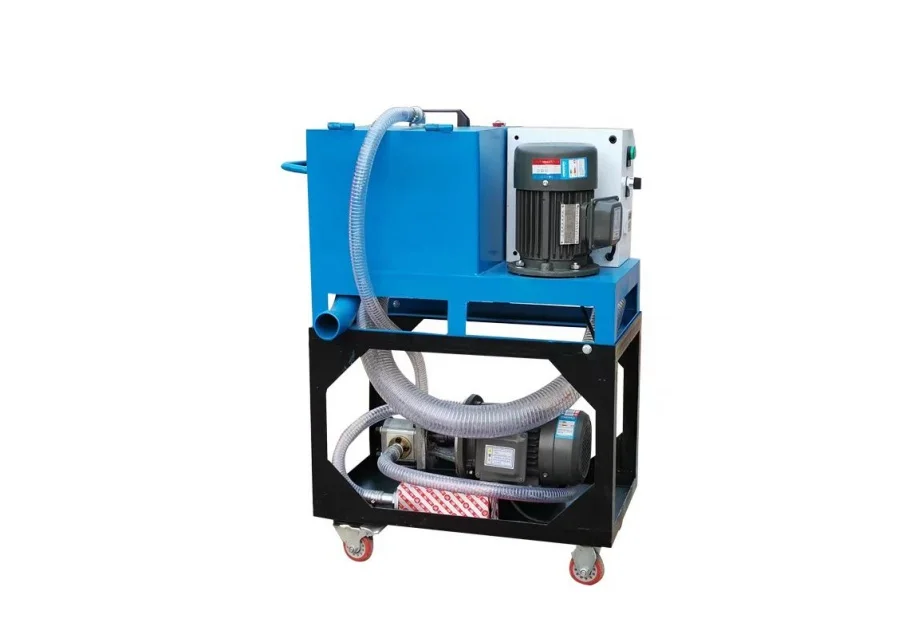
يبني هذا البند على قواعد الضغط المنخفض الدوار ويعمل كأداة لسحب العوائم الصلبة والماء والهواء من النفط.
حتى أنواع يدوية مثل عناصر فلتر الدقة للهيدروليكية، التشحيم & التطبيقات الصناعية تعطي نتائج قوية مع القليل من العمل العملي. إنها تناسب الوظائف الصغيرة أو احتياجات التنظيف الإضافية أفضل.
مكاسب الكفاءة التشغيلية
بإضافة هذه إلى تدفقك:
-
تقلل من مبادلات النفط الكاملة
-
تحافظ على سمك الخصائص الحرارية للزيوت المعاد استخدامها
-
تطول أوقات التسوية في صناديق التروس وأجزاء الطاقة
هذا التعامل السهل يعزز جعل الناتج مجموعة.
باختصار ، تحتفظ بجودة السوائل الثابتة مع عمل أقل وتقضي مع مرور الوقت.
تأثيرات البيئة والتكاليف
تصبح معالجة النفايات أسهل لأنك تقلل من رمي الزيوت القديمة. تدعم سحب وتنظيف الزيوت الحالية أهدافك الخضراء مع تقليل الحاجة إلى الزيوت الجديدة.
انخفاض النفط ينفق الكثير. وبدون دعوة لتغييرات الفلتر المنتظمة أو وظائف نظيفة كبيرة، يمكنك تقصير كل من أجر العمال والنفايات.
هذه التخفيضات تضيف كبيرة عندما تنتشر على العديد من الآلات أو المواقع.
لجعل هذا أكثر وضوحا، فكر في كمية النفط الذي يستخدمه مصنع نموذجي سنويا. بدون تنظيف ، تشتري مخزونات طازجة في كثير من الأحيان ، مما يزيد من التكاليف ويضيف إلى أكوام النفايات. لكن مع جهاز الطرد المركزي للنفايات، يمكنك إعادة استخدام ما لديك، وتوفير المال ومساعدة الكوكب من خلال تقليل سحب النفط من مصادر الأرض. أورون’ تجعل أدوات التبديل هذه بسيطة ، حيث تتعامل تصاميمها مع أحمال المصنع الحقيقية دون ضجة. يقضي العمال وقتًا أقلًا في مهام التخلص ، ويركزون بدلًا من ذلك على الوظائف الأساسية التي تدفع الناتج.
تكوينات مصممة خصيصا لتطبيقات متنوعة
تختلف خطط المصانع كثيرًا ، من المحلات التجارية الصغيرة إلى خطوط السيارات الضخمة. لهذا السبب تعتبر الإعدادات المرنة مهمة. يمكنك ضبط أجزاء مثل حجم الحاوية وسرعة التدفق أو الحادة النظيفة بناءً على نوع الأوساخ وسرعة الهدف.
هذا الخط يناسب أفضل للتنظيف المباشر في تسليم التروس ، وإعدادات الطاقة ، وغيرها من استخدامات زيت المصنع. تعمل هذه الخطط مع أنواع الزيوت ، من المزيجات المزيفة ، والتدفقات القائمة على الأرض ، إلى الخيارات الخضراء.
على سبيل المثال، في مصنع مزدحم مع آلات ثقيلة، قد تختار طبل أكبر للتعامل مع المزيد من الزيت في وقت واحد، والحفاظ على الأشياء تتحرك. في الأماكن الأصغر ، توفر النسخة المدمجة المساحة دون فقدان الطاقة. تقدم أورون نصائح حول اختيار المناسبة المناسبة، وضمان أن اختيارك يتطابق مع الاحتياجات الدقيقة مثل نوع الزيت أو الحمل اليومي.
التكامل في الأنظمة الصناعية القائمة
الإعداد البسيط غالبا ما يقلق الناس. الأخبار الجيدة هي أن العديد من وحدات الدوار تبني لإضافات سهلة. إذا تم تحديث المنظفات القديمة أو إضافة إلى معدات جديدة ، فإن التركيب يحتاج إلى تغييرات قليلة للبناء.
رابط الصناعة 4.0: تسمح أدلة PLC بعلاقات سلسة بشبكات المصانع الذكية. تساعد الصفات الجاهزة تلقائيا على وضع خطط الرعاية المسبقة عن طريق أدوات المراقبة البعيدة.
عند ربط، ابدأ بالتحقق من الخطوط الحالية لتحديد نقاط الخطاف. معظم الوحدات تعمل دون إعادة الأسلاك الكبيرة ، وتوفر أورون دليلًا لتسريع هذا. بمجرد الدخول ، ترى انتصارات سريعة مثل تدفق زيت أكثر استقرارًا يقلل من التآكل عبر الإعداد بأكمله.
الشراكة مع أورون لتحقيق النجاح على المدى الطويل
اختيار أفضل زميل فريق لتنظيف الزيت يحتاج إلى عمل ثابت على مر السنين. مع معرفة عميقة في تقنية الغزل منخفضة الضغط ومجموعة من المصنع الحقيقي يريد، يساعد أورون على تجاوز مجرد الشراء.
تستفيد من:
-
الحديث التقني بناء على تفاصيل المعدات الخاصة بك
-
مساعدة في اختيار أجزاء الفلتر الصحيحة
-
دعم الرعاية المخطط لها وفحوصات العمل
للتحدث عن احتياجات عملك أو طلب سعر مناسب لإحصاءات التدفق الخاصة بك ، اتصل عبر موقعهم الرسمي مع مسارات المحادثة المباشرة المفتوحة.
بالإضافة إلى الأساسيات، تبرز أورون بتقديم تدريب في الموقع للفرق، بحيث يعرف الجميع كيفية تشغيل الأنظمة ومراقبتها. هذا يبني الثقة ويقلل الأخطاء من البداية. مع مرور الوقت ، يبقي دعمهم معداتك في ذروتها ، وتجنب المشاكل الصغيرة التي تتحول إلى كبيرة. وتبلغ المصانع التي تستخدم أورون عن انخفاض إنفاق النفط بنسبة تصل إلى 30٪ في السنة الأولى ، مما يثبت قيمة المدى الطويل.
أسئلة متكررة
س: كم مرة أحتاج إلى تنظيف أو صيانة طارد مركزي للزيت النفايات؟
ج: يعتمد تواتر الصيانة على مستويات التلوث ولكن عادة ما يكون هناك حاجة إلى تنظيف بقايا واحد فقط لكل 1000 كيلوغرام من الزيت المرشح.
س: هل يمكن لهذه الأنظمة التعامل مع الزيوت اللزوجة للغاية؟
ج: نعم. الأنظمة متوافقة مع الزيوت التي تتراوح اللزوجة من 1 إلى 680 مم مربع في الثانية.
س: ما نوع الملوثات التي يمكن إزالتها باستخدام جهاز الطرد المركزي للزيت النفايات؟
ج: هذه الأنظمة تزيل بشكل فعال الجسيمات الصلبة مثل الغبار والشرائح المعدنية وكذلك محتوى الماء وفقاعات الهواء.


