

In the fast-changing world of Industry 4.0, the shop floor in your plant turns into more than a group of metal pieces; it becomes a busy network full of facts and figures. For a long time, repair groups stuck to the “keep going until it breaks” way or set dates on a calendar that brought extra stop times or threw away useful stuff. These days, adding the Internet of Things, or IoT, to the handling of liquids shifts everything in a big way. When you move to a plan based on facts you see right away, you can change your oil cleaning setup from a basic helper into a smart checker tool that guards your biggest money investments. This kind of change helps factories run smoother, cuts down on surprise stops, and keeps machines working longer without the old guesswork that often led to costly fixes or early part swaps.
The New Era of Predictive Maintenance
Today’s making of goods calls for exact work. You understand that even tiny bits of dirt can lead to major breakdowns in systems that push fluids or spin fast wheels. The next step in caring for factory tools is to guess ahead about when problems might come. Rather than wondering about the right time to swap a screen or freshen the oil, you let current facts guide what you do. This change depends a lot on how well strong parts work together with online links. In busy plants, this means teams can spot small issues early, fix them quick, and avoid the big messes that slow down production lines or damage key gear like pumps and motors that keep everything moving day after day.
Before you get into the fine points of how IoT fits in, it pays to team up with a group that sees clean oil as a real study, not just a task. Ourun stands out as more than a builder of tools; they act like planners of pure liquids who have learned to mix tough build work with smart online smarts. Their background comes from fixing hard dirt problems in places like power houses, metal works, and dig sites, so they give you not only gear but also a clear path for your switch to digital ways. When you join with them, it goes beyond getting a device; you pick up a teammate who cares about your non-stop work as much as you. Their know-how makes sure each checker and each thread in your setup has a clear job based on facts. This partnership often leads to custom plans that fit your exact needs, whether you run a small workshop or a large factory, and their ongoing help keeps your systems sharp as your work grows over time.
The Foundation: High-Performance Hardware
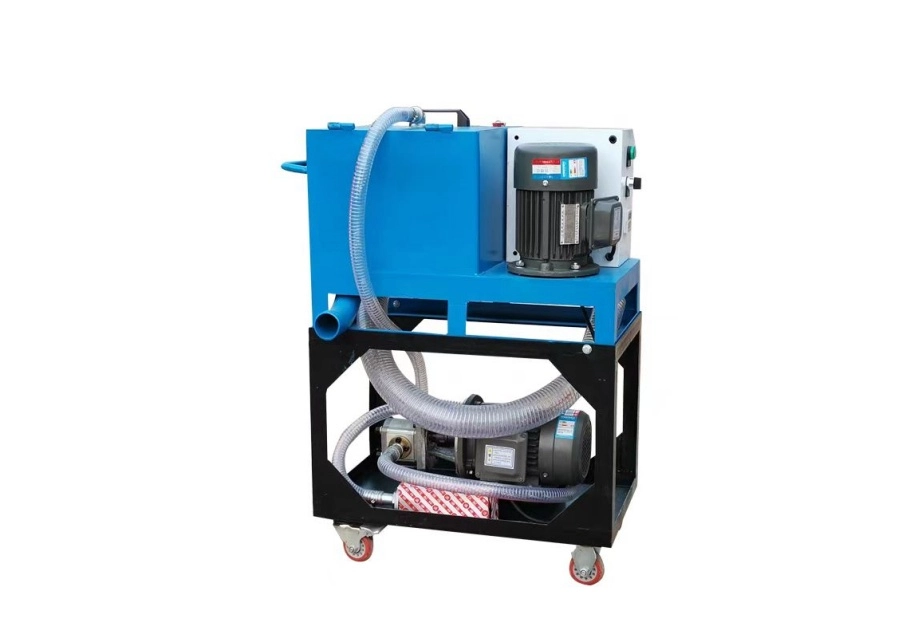
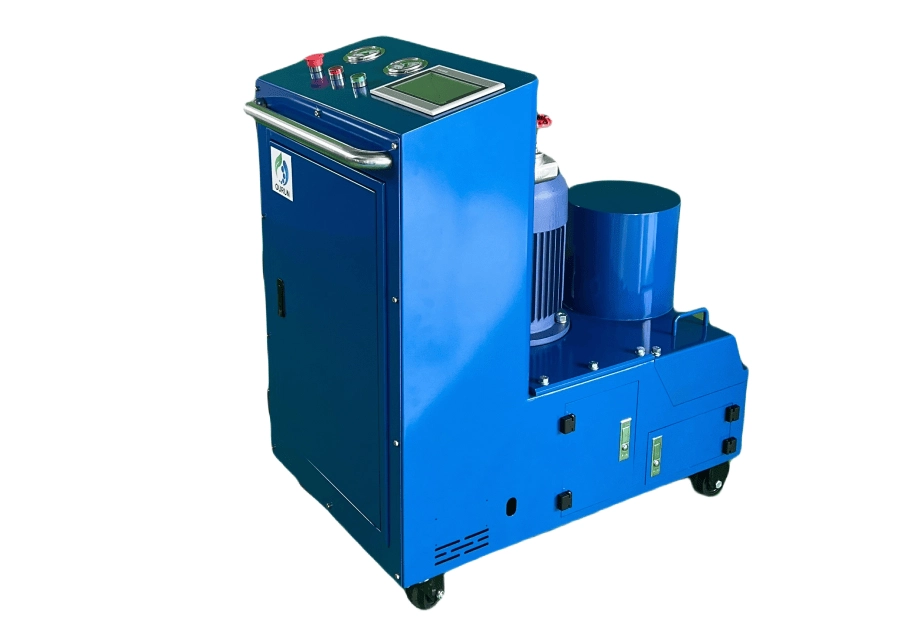
Online watching works only as well as the real cleaning it keeps an eye on. If the main tools can’t reach the needed clean levels set by ISO rules, no amount of facts will save your parts from harm. This is why High-Performance Oil Filter Machines for Improved Oil Quality turn into a must-have. These setups handle the big jobs of pulling out large chunks of junk, loose water, and mixed gases that weaken your slide oils. In everyday use, they keep fluids flowing clean through engines and lines, stopping wear that builds up slow but can cause sudden fails if left unchecked, and their strong design fits tough spots like hot mills or dusty mines where dirt comes from all sides.
When you add these tools to your daily flow, you build a solid start for the well-being of your liquids. A strong machine makes sure the oil moving in your setup stays clean all the time, which stops fake signals in your checker facts. Without this steady base, your online setup might keep sounding wrong alerts from wild dirt jumps. By kicking off with a solid real base, you make certain the ahead-thinking checks you get stay true and ready to use. Over months, this leads to fewer part breaks, lower repair bills, and a smoother run that boosts output without the stress of constant checks or surprise halts in your main lines.
Precision Filtration: The Critical Contact Point
The machine gives the strength, but the screen part brings the fine touch. You should think of the screen part as the main watcher of your setup’s shape. Precision Filter Elements for Hydraulic, Lubrication & Industrial Applications get made to grab trash at set small sizes without big drops in push. In plants, these help keep systems running even under heavy loads, catching bits that could scratch surfaces inside gears or valves, and their smart layers hold more dirt before needing a swap, which saves time and cuts down on how often workers have to stop lines for changes.
These parts use many levels of fake cloth that hold the most dirt possible. In a setup with online tools, these screens team up with push difference checkers. As the screen gathers junk, the checker follows the push rise right away. This lets you know just how much time your part has left. You swap a screen not because a book tells you, but because facts show it hit its top work point. This fine way cuts trash and makes sure your push parts never deal with the rough scrub of dirt when the screen skips its job. Workers find this helpful as it builds trust in the tools, leading to better plans for stock and less waste from early throws, all while keeping the flow steady for peak work hours.
Real-Time Fluid Monitoring and IoT Synergy
Putting checkers right into the oil path shifts how you see your tools. Picture looking inside your oil’s tiny build all day and night. Setups with online cleaning units often hold a group of checkers like these, each one giving key facts to keep things safe and running.
- Particle Counters:These follow the size and number of hard junk bits, handing you a quick ISO 4406 score.
- Moisture Sensors:These check the water level in the oil, warning you of cool leaks or seal breaks before the oil gets cloudy.
- Temperature and Viscosity Sensors:These make sure the oil keeps its slide power under different weight loads.
The best part comes when these facts go to the online storage. You don’t have to stand by the tool to see how it is doing. With a main screen board, you can watch a whole set of oil cleaners across many places. This link lets you look at patterns over time. If you spot a quick rise in metal bits in one gear box, you can set a close check before a tooth breaks. You stop just fixing breaks; you stop them from happening. This setup shines in big operations where teams spread out, as it pulls facts from far spots into one view, helping bosses make fast calls that save money and keep safety high without needing extra staff on site all the time.
Tangible Benefits of the Smart Approach
Moving to smart cleaning brings a real payback on what you spend. First off, you stretch how long your oil lasts by a lot. Oil doesn’t really get old; it just gets full of dirt. By keeping it super clean with steady watching, you can often make full oil swaps happen two or three times less often. This hits your money savings and helps the earth less waste. In long runs, plants see lower bills for new oil buys, less trash to handle, and a green mark that draws in partners who care about clean work, all from simple checks that run without much hand work.
Next, you get rid of the quiet costs of care work. Old ways of checking oil mean pulling a bit, sending it to a test place, and waiting days for the word back. By then, the oil’s state has shifted again. Watching right away gives a fast picture, so you can fix things at once. This quick move marks a top factory run. Teams love how it cuts wait times, lets them plan shifts better, and builds a record of facts that helps train new staff or spot long-term trends like wear from bad parts, turning what was a chore into a tool for growth.
Service and Long-Term Partnership
Setting up a plan for cleaning with online tools can feel hard if you go it alone. It needs a mix of real tool smarts and online skills. That is why pro help and tech backing matter so much. Past the main parts, you need pros who can explain hard fact groups and set your checkers for your exact liquid kinds. In practice, this means getting advice on what sensors fit best for your oils, how to link them without big changes, and ways to use the data for daily calls that keep your plant humming without skips.
No matter if you watch one push tool or a huge power make spot, the aim stays the same: full hold on your liquid well-being. Pro backing makes sure your spend on smart tools turns into real steady work. By picking a teammate who gives full help after you buy, you lock in that your “Smart Oil Purification” setup keeps growing with what your business needs. This long team link often includes check visits, updates for new tech, and tips on how to blend the system with other factory tools, so you stay ahead in a world where clean fluids mean less breaks and more output year after year.
If you are ready to take the next step in your predictive maintenance journey, please reach out to our technical team for a consultation on custom filtration solutions and IoT integration. We can walk you through options that fit your size and needs, share case stories from spots like yours, and help build a plan that boosts your run time and cuts risks, turning your factory into a model of smart, steady work that stands out in your field.
FAQ
Q: Can I retro-fit my existing oil filtration machines with IoT sensors?
A: Yes. While integrated systems offer the most seamless experience, many high-performance machines can be upgraded with external sensor blocks and communication gateways to feed data into your existing SCADA or cloud platform. This add-on work usually takes little time and fits most old setups, letting you gain smart facts without full new buys, and pros can guide the steps to keep your lines running smooth during the change.
Q: Does real-time monitoring replace the need for laboratory oil analysis entirely?
A: Not entirely, but it changes the frequency. Real-time sensors are excellent for tracking “indicators” like particles and moisture. However, a periodic lab test is still useful for deep-dive chemical analysis, such as checking the depletion of specific additive packages or identifying the exact metallurgy of wear particles. Blending both ways gives the full picture, with quick checks for daily needs and lab runs for big checks every few months, helping you catch hidden issues early and plan buys smart.
Q: How do these smart systems handle different types of industrial oils?
A: Smart systems are highly adaptable. Most modern sensors can be calibrated for various base oils, including mineral-based, synthetics, and fire-resistant fluids. The key is to ensure the sensor materials are compatible with the specific chemical makeup of your fluid to avoid corrosion or inaccurate readings. This flex means one setup can serve many lines in your plant, from heavy gear oils to light hydraulic types, and with right sets, it cuts the need for special tools per fluid, saving space and costs while keeping all checks true across your work.