

In the busy field of factory production, the condition of your equipment relies completely on the cleanliness of the liquid that flows inside it like blood in veins. For many years, repair groups depended on a simple schedule-based method, throwing away costly oils just because time had passed instead of checking their real state. This old way wastes money and creates risks, since it overlooks the tiny bits of dirt that cause hidden damage well before the next planned check-up arrives.
Right now, the sector moves toward a wiser, information-based mindset. When you combine instant dirt tracking with easy-to-move cleaning tools, you can change your upkeep tasks from something you do only after problems appear into a real benefit for your operations. This article looks at how the newest ideas in liquid care let you reach the highest level of smooth running in your work.
Meet Your Expert Partner in Fluid Purity
When you handle equipment worth millions of dollars, you want more than a basic seller of parts; you need a teammate who understands the detailed makeup of factory oils. Ourun leads the way in this specific area, mixing years of building knowledge with a strong focus on green growth in industry. What makes this group special is their focus on people when facing tough tech problems. They do not simply offer metal boxes; they give support that keeps your machines running strong.
No matter if you face water getting into a power unit or dirt piling up in a fast-moving press for liquids, their experts use words you know. They see that every lost minute costs your business money. When you decide to team up with a group like this, you open the door to tons of info on how liquids move and how to stop dirt from spreading. Their tools come built tough, simple to use, and above all, they work well even in the roughest spots outside. If you hope to give fresh energy to your old oil supplies while cutting down on buying costs, checking out the made-to-order setups at Ourun marks the smart starting point for building a stronger plant that stands up to challenges.
The Transition from Reactive to Predictive Oil Care
The main issue in today’s repair work is that you cannot see the troublemakers with your own eyes. Small bits of dust, pieces of metal, and drops of water stay too tiny for people to spot, but they grind away at exact-fit parts like valves and rollers just like rough sand on smooth surfaces. The usual lab tests, though correct, take several days or even weeks to give back answers. By the point when a paper arrives saying your oil sits in a bad state, the harm has already happened deep inside.
Instant dirt watching flips this whole picture around. When you place sensors right into your side path or cleaning circle, you get fresh numbers on ISO 4406 or NAS 1638 clean standards without waiting. You avoid wondering if a screen needs a swap or if a rubber seal broke down. This clear view lets you step in exactly when dirt levels start to climb, so your oil stays far from the point where it hurts your gear badly.
Deploying High-Performance Oil Filter Machines for Maximum ROI
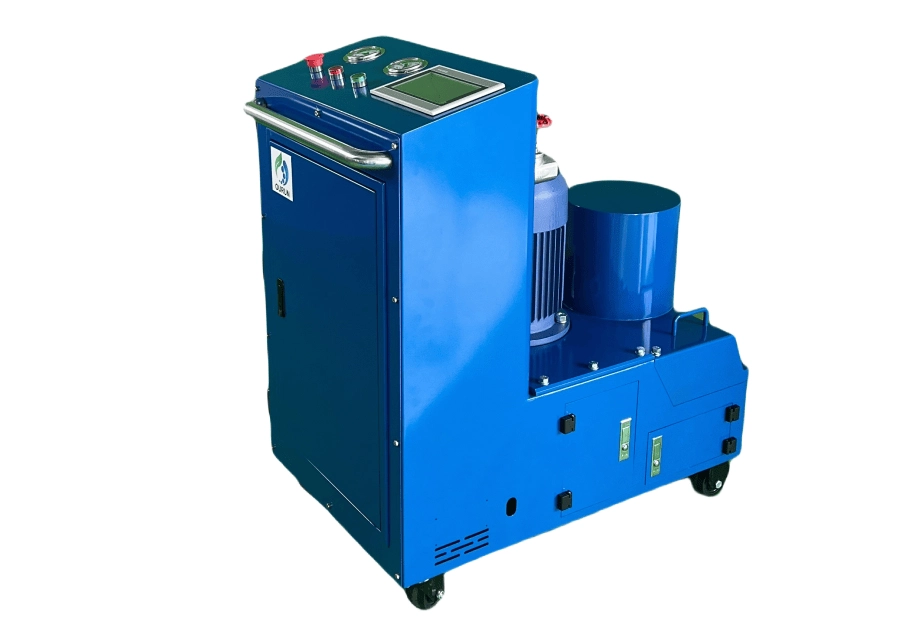
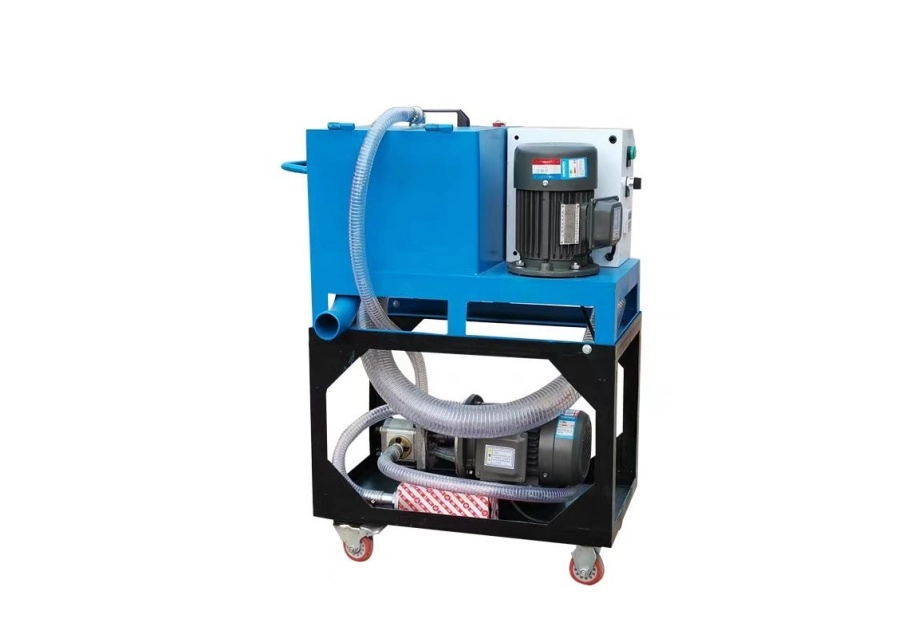
To make use of the facts from instant sensors, you call for gear that cleans fast and goes deep. Here is where High-Performance Oil Filter Machines turn essential. These devices come made to move around easily, so your workers can shift from one spot to the next, doing side-loop cleaning without stopping the main work flow at all.
A machine that really works goes beyond catching bits of grime. It takes care of the full well-being of the liquid. In places with lots of damp air or setups where water coolers leak often, a basic folded screen falls short. You need a setup that splits apart different forms and pulls out gases. For jobs with thick gunk or big flows of liquid, a High-Performance Oil Filter Machines for Improved Oil Quality offers a strong fix. By pulling in spinning power along with air-removal drying, these tools take out wetness and light unwanted bits that normal mechanical screens miss completely. This method brings back the oil’s power to hold electricity and its ability to smooth moving parts, which stretches out how long the oil lasts in use by a good amount.
Versatility in Field Operations
The real strength of today’s easy-to-carry devices shows in how well they fit different needs. You find ways to use them for several tasks.
Cleaning fresh oil before it joins your setup (since oil called “new” often holds plenty of dirt already).
Washing big tanks during yearly shutdowns for checks.
Quick fixes after a part breaks or a pipe bursts open.
Regular smoothing of key liquid paths in machines.
Precision Filter Elements: The Key to Hydraulic and Lubrication Success
While the pump and engine give the power, the screen part brings the fine touch. In systems for pushing liquids or smoothing gears, the space between moving pieces often measures under 5 microns. If your cleaning material does not match these tight sizes, even the priciest device turns pointless no matter how much it costs.
Fine screen parts get built with layers of man-made threads that hold lots of dirt without failing. Unlike low-cost plant-based screens that fold or let things slip when wet, top synthetic materials keep their shape strong. This makes sure every bit of oil that goes through gets cleaned to the right level your maker sets. When you pick parts made for factory jobs, you put money into less push-back from pressure and more time before swapping screens, which cuts your daily costs right away.
Manual Solutions for Simplified Maintenance
In certain cases, like far-off sites or small repair shops, you may skip full auto setups with fancy power needs. Keeping things basic often leads to better trust in the tools. A Precision Filter Elements for Hydraulic, Lubrication & Industrial Applications lets you pull out tough dirt without hard computer screens. These pieces stand out for lasting long and being simple to handle, so they fit well with repair teams who want a steady tool that works in rough spots without trouble. They shine at pulling apart heavy chunks and water from thick oils that flow slow.
Achieving Synergy Between Sensors and Filtration
The real next step in upkeep comes from a full-circle system. Picture a carry-along cleaner that links up with its built-in dirt counter. The device begins cleaning and speeds up the flow or changes the pull of air based on what dirt levels it spots right then. When the oil hits the clean mark you choose under ISO rules, the tool alerts your phone and stops on its own.
This kind of linking cuts out mistakes from people. You avoid leaving oil not clean enough, which keeps it dirty, or cleaning too much, which burns power and wears parts out too soon. You end up with a solid record on a screen of how good the oil stays for every piece in your factory, and that proves key for claims on guarantees or checks from insurance groups.
A Commitment to Service and Technical Partnership
Putting money into top cleaning tech marks a big choice. You earn a support plan that fits the gear’s level. Today’s factory sellers go beyond just sending a box; they build a full network of help. That covers several areas.
Fluid Analysis Support: They guide you on reading ISO numbers and picking the right screen size for your oil kind.
Customized Engineering: If a regular carry unit does not match your room size or flow needs, expect a design made just for you.
Global Logistics: They keep extra fine screen parts ready to send to your place fast, so you lose little time if something breaks.
On-site Training: Your workers learn to run both the watching sensors and cleaning gear to pull the best work out of them.
When you think about the full price over time instead of just the starting cost, you set your plant up for wins that last. Mixing instant facts with strong gear stands as the clear path to handle the growing needs of today’s factory work. In fact, as industries push for more output with less waste, tools like these from Ourun help bridge the gap between old habits and new efficiencies, ensuring that every drop of oil contributes to longer machine life and smoother daily runs. Teams that adopt this approach often report fewer breakdowns and steadier production lines, which ties directly to better profits in the long haul.
Frequently Asked Questions (FAQ)
Q: Can a portable oil purifier remove water that has already emulsified with the oil?
A: Yes, it can. While basic mechanical screens catch only solid bits, special devices with air-removal drying or spinning split can break the mix and pull out both loose and mixed-in water. This step proves vital to stop rust from forming and to keep the oil strong enough to hold up under weight.
Q: How often should I replace the precision filter elements in my machine?
A: Base it on the gauges that show pressure build-up or the instant dirt tracking info. When pressure over the screen hits a set point, or the dirt numbers stop going down even with steady cleaning, swap the part. Good synthetic screens hold up much longer than plain paper ones in most cases.
Q: Is it difficult to integrate a particle monitor into an existing manual filtration setup? A: No, it stays simple. Most new dirt watchers come set for quick connect-and-go fitting. You mount them straight on the entry or exit of your carry cleaner. This turns a basic hand-run system into one with smart features, all with short stops in work, and gives you the numbers for planning fixes ahead.