

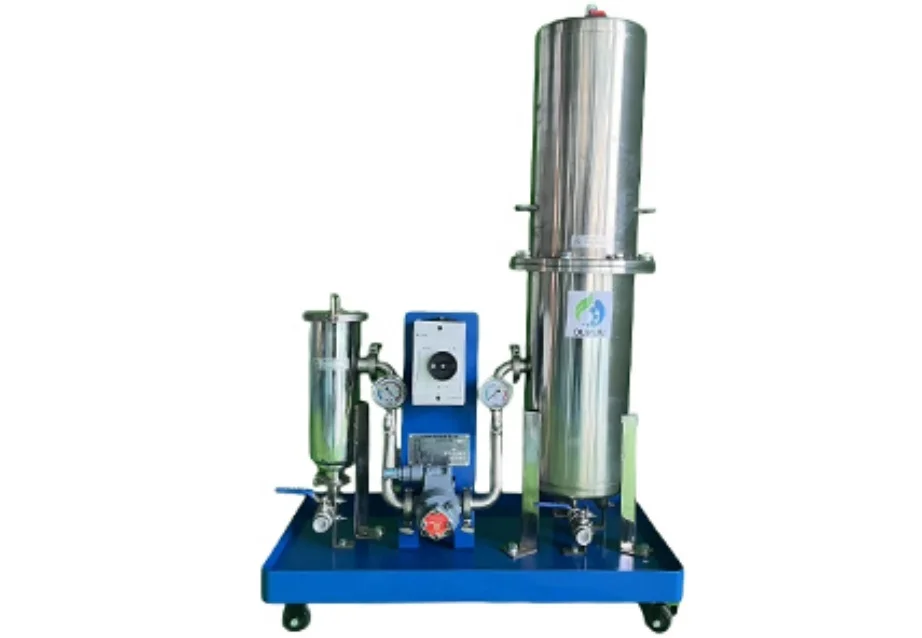
Defining Lube Oil Purification in Industrial Applications
In tough industrial settings, lubricating oil acts as the vital force for spinning and hydraulic machines. Yet, while running, these oils face risks of getting dirty from various places. Such issues come from things like breakdown products from air exposure, water entering via moisture buildup or leaks, and tiny bits of junk like metal scraps and dirt. As these dirt bits build up, they speed up the damage to parts, raise rubbing, and harm the general work of the machines.
· High Purity: Impurities and water are efficiently separated from the oil, resulting in a highly purified, brightly colored filtered oil that, like treated lubricant, meets the high-precision lubrication requirements of mechanical equipment. Bad oil condition cuts down on work speed and brings higher fix-up expenses plus surprise stops in work.
To fight back against these dangers, lube oil purifiers hold a main spot in keeping oil clean at okay levels like ISO 4406 or NAS1638. These setups are built to pull out solid bits, loose and mixed water, and gas bits from the oils. And so, they make sure your gear stays safe and runs with top steadiness.
Key Components and Working Principles of a Lube Oil Purifier
A current lube oil cleanup setup works via a step-by-step method aimed at handling various dirt kinds. It usually begins with rough filtering to catch big chunks. Then, it moves to detailed filtering to hit tiny junk under a micron.
Smarter setups add vacuum drying tech to pull out both loose and mixed-in water from the oil.
High purification degree: It can efficiently separate impurities and water in the oil. The filtered oil has high purity and a clear color. The treated lubricating oil can meet the high-precision lubrication requirements of mechanical equipment.
Spinning separation and merging ways get used a lot too. Spinning cleaners rely on fast turns to split dirt based on weight gaps. On the other side, mergers grab water drops by making them bigger so they come out easier.
Auto controls matter a great deal. Built-in PLC setups let you watch pressure changes, flow speeds, and water amounts right away. This boosts work rate and keeps the end results steady.
Let’s think about how these parts fit together in daily use. For instance, the rough filter acts as the first line of defense. It stops the largest pieces from going further. After that, the fine filter takes over. It deals with the smaller threats. Vacuum drying then tackles the water issue head-on. And spinning or merging handles the rest. All this combines to make the system effective. Without one part, the whole process suffers. So, picking the right mix is key for your needs.
Portable vs. Stationary Oil Purification Systems
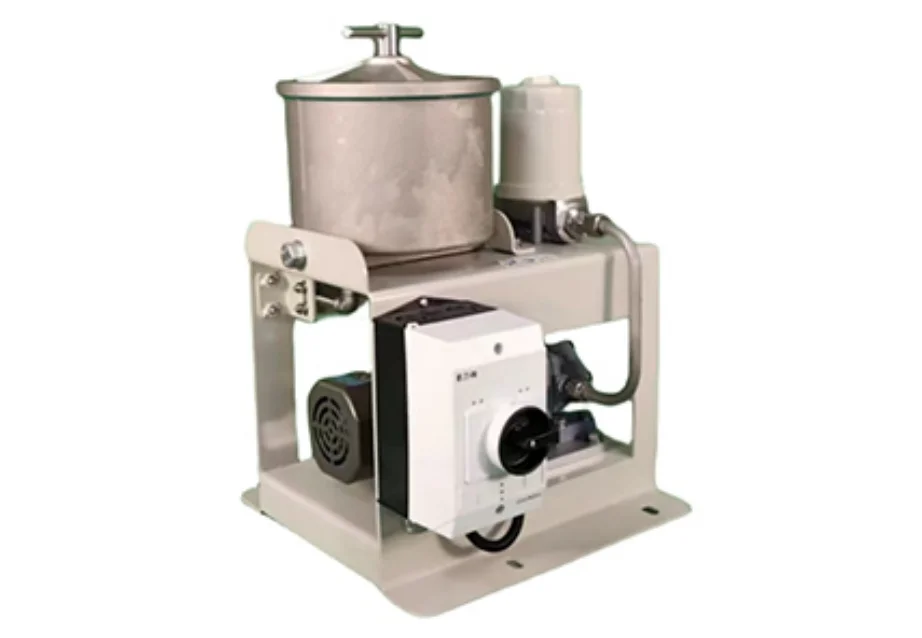
Picking between movable and fixed setups relies on how your work flows. Movable machines fit best for on-site fixes where easy movement counts most. You can set them up fast to handle machines in far-off or spread-out spots. And they do not need big setups to work.
By comparison, fixed setups work great in main oil lines like those in power stations or factory rows. Their steady link to flow paths lets them clean oil as it goes. Thus, they avoid stopping the machines.
For example, the online oil filtering equipment is designed for precision filtration of industrial lubricants in systems like servo drives and hydraulic loops. This product takes up little space and is easy to move. The pipeline is made of stainless steel 304 and equipped with high-precision filter elements. It’s suitable for both mobile applications and permanent installation due to its compact build and stable performance.
Now, consider the pros of each type in real terms. Portable ones shine in spots where you need quick action. Say, a breakdown in a remote mine. You just roll it over and start. Fixed ones, however, keep things running non-stop in a busy plant. No pauses mean more output. But which one suits you? It boils down to your site’s layout and work pace. If you move around a lot, go portable. For steady spots, choose fixed. Either way, both protect your oil well.
Batch vs. Continuous Operation Models
Batch-run cleaners work one round at a time. They gather dirty oil, clean it on its own, and send it back. This way fits jobs with planned breaks or small places where now-and-then cleaning works fine.
In opposite fashion, steady-run types give direct cleaning that handles oil as it flows while machines keep going. Such an arrangement cuts down on stops, eases worker needs, and holds oil steady.
That said, steady setups might call for more upfront money and stronger watch parts. Even so, the lasting gains—especially in key work fields—usually beat those outlays.
To expand on this, batch methods are simple and cheap to start. You fill a tank, run the cycle, and empty it. Perfect for weekends or slow times. Continuous ones link right into the machine’s lines. Oil cleans without you noticing. But they need careful setup to avoid clogs. In high-stakes areas like refineries, continuous wins out. It keeps quality high around the clock. For lighter use, batch saves cash. Weigh your daily load and pick wisely. Both have their place in keeping oil pure.
High-Quality Oil Filter Machines for Industrial Use
Selecting the best gear changes everything. For big-work uses that demand solid results in hard spots, the industrial oil filtration system gives a few perks made for your wants.
Features and Technical Advantages
-
Use high-precision filter element. These systems integrate high dirt-holding capacity filters capable of removing particles down to NAS1638 level 5 quality. Moisture is efficiently removed using vacuum dehydration modules, while optional bubble removal features enhance hydraulic circuit stability.
The electrical system uses the international brand Eaton motor circuit breaker and is equipped with a high-quality motor integrated pump. The entire structure is built using durable stainless steel suitable for corrosive or high-temperature environments, minimizing downtime due to hardware failure.
These features stand out because they handle tough jobs day after day. The filters catch a lot of dirt without clogging soon. Vacuum parts dry out water fast. And bubble removal keeps fluids smooth. The Eaton breaker adds safety against shorts. The pump pushes oil steadily. Stainless steel fights rust well. In hot or wet areas, this lasts longer. Overall, it cuts repair time. You get more run time for your money. It’s built tough for real-world stress.
Application Scenarios in Heavy Industry Sectors
These purifiers are indispensable in sectors like:
-
Power Generation: Turbine oils must remain free from moisture and metal wear particles to ensure generator uptime.
-
Marine Industry: Onboard systems benefit from compact purifiers that stabilize lubrication during long voyages.
-
Manufacturing: Gearbox oils and hydraulic media require consistent purification to avoid tool wear and maintain tolerances.
In coal chemical plants, oil filters, as key oil purification equipment, are widely used in various process steps and equipment maintenance scenarios.
Take power generation first. Turbines spin fast, so clean oil prevents breakdowns. In marine work, ships face salt and waves. Compact cleaners keep engines steady on long trips. Manufacturing lines run non-stop. Pure oil stops tools from dulling quick. And in coal plants, filters handle dirty steps well. They clean during fixes too. Each sector has unique needs, but these machines adapt. They boost safety and cut costs across the board. From land to sea, they prove their worth.
Affordable Oil Filter Machines for Small and Large-Scale Operations
Flexibility Across Different Operational Needs
From small shops to huge factory sites, being able to adjust is vital. Small machines fit tight spots while keeping good output. For big sites, add-on setups let you grow as your work expands.
Some models weigh less than 30 kg and operate at flow rates as low as 3L/min, making them ideal for small stations with low viscosity oils (Applicable viscosity: ≤68 cst). Whether you’re setting up a new facility or retrofitting an old one, these machines integrate easily into existing layouts.
This flexibility means you can start small and scale up. A workshop might use one unit for basic needs. A large plant adds more as it grows. Low weight makes moving simple. Slow flows suit thin oils fine. New builds or old updates both work. They slot in without big changes. So, no matter your size, there’s a fit. This saves hassle and money long-term.
Cost-Efficiency Without Compromising Quality
Power-saving motors cut power use during long runs. Long-lasting filter parts stretch out change times and trim extra buy costs.
-
Prevent hydraulic machinery failures.
-
Improve the reliability of mechanical equipment operation.
-
Extend the life of hydraulic machinery.
These benefits translate into lower total cost of ownership—an essential factor when managing large-scale maintenance budgets.
Energy savings add up quick over time. Filters last longer, so fewer buys. No failures mean less fix work. Reliable runs build trust in your gear. Longer life cuts replacement bills. All this lowers overall spend. For big budgets, it’s a smart choice. You keep quality high without breaking the bank. Simple changes like these make a big difference in daily costs.
Enhanced Equipment Reliability and Longevity
When rough bits like metal scraps get pulled from flowing oil, the damage speed to moving parts falls a lot. Impurities and water are efficiently separated from the oil, resulting in a highly purified, brightly colored filtered oil that, like treated lubricant, meets the high-precision lubrication requirements of mechanical equipment. Removing water also stops small pits and rust in rollers and gates.
Cleaner oil leads to longer gear life and less part swaps. This helps guess-ahead fix plans by holding setup states in line longer.
Think about it this way. Dirty oil grinds parts down fast. Clean oil lets them glide smooth. No water means no rust surprises. Bearings last years more. Valves stay tight. Over time, you swap less. Fix teams predict issues better with steady oil. It all ties to less hassle and more steady work. Your investment pays off in years added to machines.
Improved Operational Efficiency and Reduced Downtime
By allowing on-the-spot oil care, lube oil purifiers cut your need for regular oil swaps. This lessens breaks and lets making lines or service setups stay open more.
-
Keep oil products clean for a long time.
-
Significantly reduce grease costs. Additionally, stable lubrication ensures thermal control and energy efficiency within pumps, turbines, and actuators—further enhancing process stability.
Clean oil stays good longer, so you buy less. Steady lube holds heat right and saves power in pumps, spinners, and movers. This adds to even work flow.
Real-time care means no big stops for changes. Lines keep producing. Utilities run smooth. Fewer breaks boost output. Cost drops on grease buys. Heat control avoids overheat issues. Power use falls, saving bills. Actuators work better without slips. All parts link to stable processes. In the end, your whole operation speeds up and stays reliable.
Technical Support and Customization Options Available
Good gear pick begins with knowing your work aims. The team at OURUN offers skilled advice to steer your choices—from flow math to setup plans.
Custom fit choices exist for buyers needing special pipe setups or auto rules that match current SCADA or DCS setups. Each setup can get adjusted to fit thickness ranges, liquid kinds, or space limits.
OURUN’s help starts with your goals in mind. They calculate flows to match your load. Plans cover install steps clearly. For special needs, they tweak pipes just right. Auto parts sync with your systems. Viscosity tunes keep it smooth. Fluids of all types work. Space issues? They adapt. This makes integration easy. You get a system that fits like a glove. No guesswork involved.
After-Sales Services, Training, and Maintenance Programs
Help goes on after the box arrives. On-site start-up checks make sure it’s set right. Custom learn sessions give your workers skills to handle daily tasks well.
Steady check plans keep top work marks. Spare part stock means little hold-up if you need swaps. If you work at home or abroad, their help frame aims to keep your cleanup setup going even for years.
Delivery is just the start. Techs come to your site for setup. They test everything live. Training covers basics to advanced tips. Workers learn fast and safe. Regular checks spot issues early. Parts arrive quick when needed. Home or far away, support follows. Systems stay peak for long hauls. This builds lasting ties. You focus on work, not worries.
How to Get in Touch with Ourun Experts Today
If you’re ready to upgrade your oil purification capabilities or need expert advice on integrating filtration systems into your operations, reach out via the website. You can also submit inquiries through their online form for quotations or technical specifications. A dedicated engineer will follow up promptly with detailed information tailored to your application scenario.
Reaching out is simple. Call the number for quick chat. Email for written details. Online form works for quotes too. An engineer replies soon with info just for you. They cover your exact setup. No long waits. Get answers fast and move forward.
FAQ
Q: What contaminants can a lube oil purifier remove?
A: It effectively removes solid particles (metal shavings, dust), water (free/emulsified), oxidation byproducts, sludge, varnish precursors, and even entrained air depending on configuration.
Q: How often should I operate my purifier?
A: For critical systems or heavily contaminated oils, continuous operation is recommended. For less demanding setups, batch processing during scheduled maintenance may suffice.
Q: Can purification extend the life of my lubricant?
A: Yes. By maintaining high cleanliness levels (e.g., NAS1638 ≤ Level 5), purified oils retain their protective properties longer—minimizing replacement frequency and cost.