

The Importance of Hydraulic Oil Purification
The Role of Hydraulic Oil in Industrial Systems
Hydraulic oil does a key job in factory setups. It acts as the way energy moves around. It oils up parts that move. It gets rid of heat. And it helps machines run smooth. Clean oil moves energy well. It cuts down on rubbing. It keeps gear in good shape. This matters for keeping things running fast. It also cuts down on damage to parts.
When hydraulic oil gets dirty, it loses its power fast. Dirty oil can’t oil right or cool well. That leads to more rubbing. It causes heat build-up. And it ends in big breakdowns.
Common Contaminants Found in Hydraulic Oil
The usual dirt bits include water, air pockets, metal bits, old oil junk, and dirt. These get in from bad seals, lazy upkeep, or even from the start in making oil. If bits like sand and rust stay in raw oil after cleaning, they sneak into factory use with the oil.
Water is extra bad. It speeds up rust in oil. It cuts the oil’s slick power. Bits of stuff speed up harm to seals and valves too.
Risks Associated with Contaminated Hydraulic Oil
Using grubby hydraulic oil brings big problems. Facts say 80% of hydraulic breakdowns tie to oil dirt. These breaks cause surprise stops. They mean high fix bills. And they cut output. Plus, dirt bits speed up seal breaks. They do this through rubbing and bad oiling. Over time, this wears gear out quick. It bumps up fix costs a lot.
Think about a busy plant. One leak from dirty oil stops a line for hours. Workers wait. Bosses lose money. And parts break more. Clean oil stops that mess. It keeps days smooth.
Key Principles of Hydraulic Oil Purification
Filtration Methods: Physical, Chemical, Mechanical
To keep hydraulic setups strong, clean ways must pull out all dirt types. Physical clean uses net filters. They catch hard bits. Chemical ways hit old oil junk. Mechanical tricks, like spin clean, pull water and gunk.
Smart clean setups mix these steps. They make full clean rounds. High Purity: Dirt and water split from oil easy. You get super clean oil. It’s bright and clear. It fits the tight oil needs of gear.
Cleanliness Standards: ISO 4406
Clean levels get checked with rules like ISO 4406. It sorts oil by bit count per tiny drop. Keeping clean in okay ISO spots is big for good work. Going over those means clean now.
In a shop, you test oil weekly. If numbers climb, you know trouble brews. Quick clean saves the day.
Signs Your Hydraulic Oil Needs Treatment
Hints your oil fluid needs clean show up clear. You hear odd sounds from pumps or valves. Machines act weird. Temps rise in work. Or fluid looks foggy. If that hits with slow moves or pressure jumps in your setup, act fast.
Spot these early. A hum from a pump? Check oil. Foggy sight glass? Time to clean. Don’t wait for big fails.
Step-by-Step Process for Purifying Hydraulic Oil
Step 1: Initial Assessment and Sampling
Before you start clean steps, do a full check. Pull oil samples from many spots in the setup.
Identifying Contamination Levels
Use lab tests or hand tools to spot dirt type and amount. Is it bits or wet stuff?
In the field, a quick test kit shows rough dirt. Send to lab for deep look. That tells all.
Using Particle Counters & Water Analyzers
New tools count bits by ISO sizes. Karl Fischer tests or like ones check water right.
Grab a counter. Dip in sample. Read screen. Water tool? Drop in fluid. Get percent wet. Easy steps save guess work.
Step 2: Choosing Suitable Equipment
Now you know the dirt. Pick gear that fits your fight.
Factors to Consider
Think on flow speed match to your setup. Dirt kind, hard or wet. Oil thick fit for filters and pumps. And unit size for your shop space.
Big shop? Need big flow. Small rig? Go light. Thick oil? Pick wide filters. Match right, or waste time.
Overview of IOP Series Precision Oil Purifier
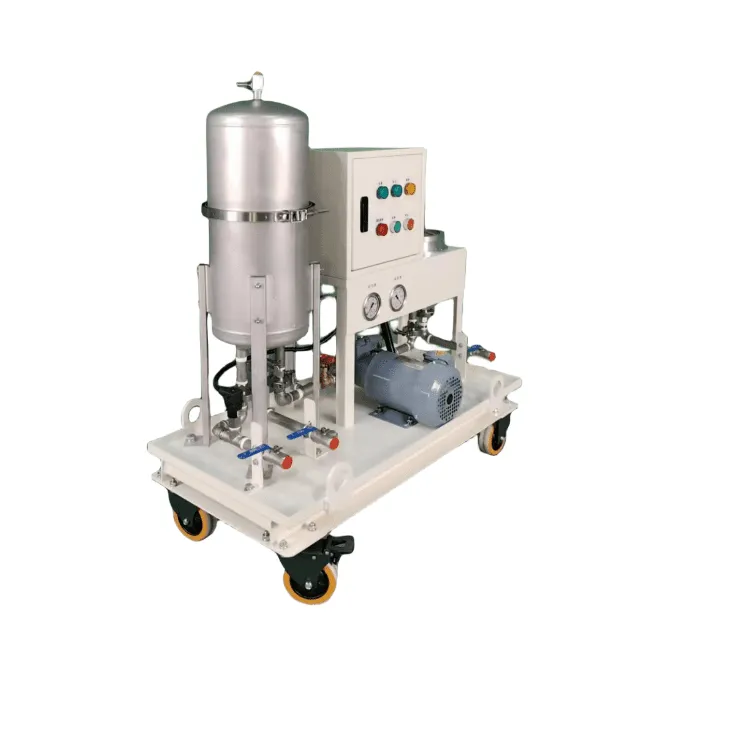
This line has steel tanks. High-sharp filter parts from Japan’s 3R Company. Its rust-proof frame has wheels for move easy. Low sound run with steady flow. Good for long use in shops.
Set it up once. Roll to spot. Plug in. It hums quiet. Filters catch fine. Oil comes out new-like.
Step 3: Setting Up Filtration System
Good set-up keeps safe and quick in clean runs.
Connecting Equipment Safely
Hook in and out tubes tight between clean unit and hydraulic loop. Close all taps first. Stop back flow or spills.
Check hoses. Tight clamps. No leaks. Valves shut. Power off till ready.
Safety Checks Before Operation
The IOP Series has phase guard. It shuts auto if filters full. Stops harm from high push or blocks. Check power fit, like AC380V, before turn on.
Look over wires. Test switch. Hear click? Good. Run dry test. No shakes? Safe go.
Step 4: Running Filtration Cycle
Checks done? Start clean in watch mode.
Monitoring Key Parameters
Watch push diff over filters for blocks. Check flow steady on gauges. Ear on for odd noise like suck or pump push.
Gauge at 5 psi? Normal. Jump to 20? Swap filter. Flow drops? Clean inlet.
Multi-Stage Filtration Process
Main clean tank uses top filter stuff. It pulls hard bits to small micron size. Also cuts wet from heat shifts.
Oil in dirty. Hits first net. Big chunks gone. Then fine filter. Tiny bits out. Heat step dries. Out comes clear gold.
Step 5: Post-Purification Testing & Validation
Clean done? Test to sure it works.
Verifying Cleanliness Levels
Match after samples to ISO 4406 marks with bit counters. Check if good.
Pull new sample. Run counter. Numbers low? Win. High? Run again.
Inspecting Equipment Performance
See if sounds drop or machine quickens. Good signs clean oil boosts work again. Tests show tuned setups gain 3%-5% speed.
Run machine post clean. Quiet now? Moves fast? Press steady? All yes means success.
Advanced Solutions That Deliver Results
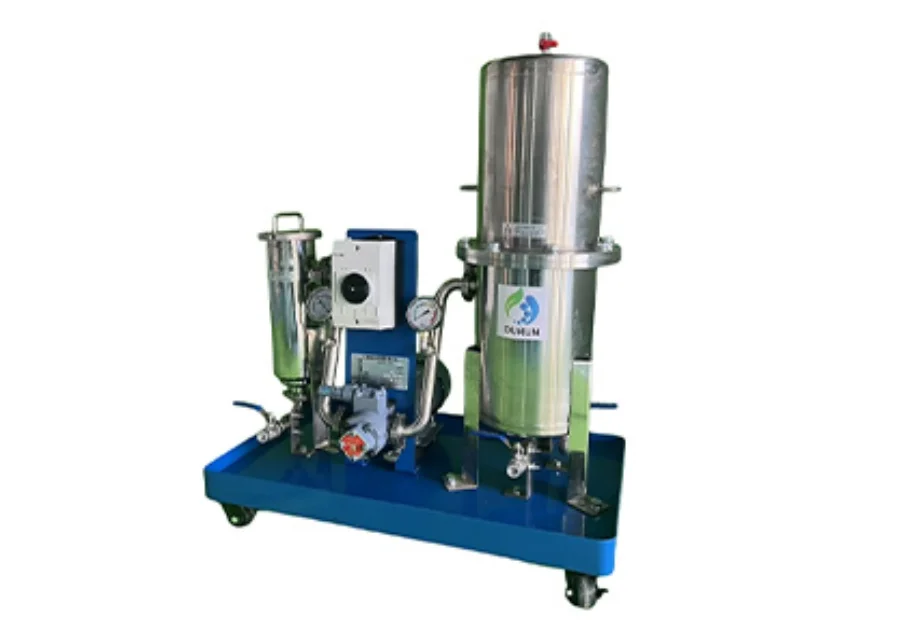
Need strong fixes past fixed spots? Hand units give bend in rush or far jobs.
Mobile Precision Oil Purifier | 380V Skid Unit | Disaster Recovery
This piece takes small room but packs punch. Steel body and Eaton motor break setup. Made for move cases like fix after storms. Spot tight but clean key.
It pulls dirt normal filters miss. Like mixed water. Stops rust grow. Can cut bubbles from lines too.
In a flood hit site, roll it in. Hook up. Run hour. Oil dry and clean. Gear back fast. No wait for new drums.
Why Choose Advanced Oil Purification Systems?
Increase Equipment Lifespan & Minimize Downtime
Clean over swap fluid. You stretch part life big. Cut breaks from dirt fails.
Old way? Dump oil yearly. New way? Clean twice. Gear lasts years more. Stops rare.
Save Costs Through Fluid Reuse
Re-use hydraulic stuff cuts buy bills sharp over time. No drop on clean or rules.
One drum new: $50. Clean same: $10 run. Do math. Shop saves stacks.
Meet Environmental Compliance Goals
Clean over toss big loads fits green aims. Skips fines from bad waste toss tied to old oils.
Green rules tight. Dump oil? Pay big. Clean? Pass checks. Earth thanks too.
Maintenance Tips for Long-Term Efficiency
To keep top work:
Check filter parts often. Swap bad seals quick. Plan fix service on run hours. Not wait for bad signs. Hold notes on push reads pre/post each run for spot trends.
Weekly walk. Eye filters. Note changes. Log book full? Spot patterns. Fix ahead.
Professional Support When You Need It Most
Team up with pros when big. If you run heavy gear in make shops or key builds, fit fixes count.
A solid giver like Ourun does more than gear. They give full life help. On-spot start services. Fit train times. And quick after-sell tech aid world wide.
Call them. They come. Set up. Teach crew. Fix glitch next day. Peace of mind.
FAQ
Q: How often should I purify my hydraulic oil?
A: How often ties to work setup. But usual every few thousand hours. Or when ISO clean codes go over okay from normal sample checks. In light use? Every 5k hours. Hard run? Monthly. Test guides you.
Q: Can I reuse my hydraulic fluid after purification?
A: Yes. If after clean tests show clean hits need marks, like ISO 4406. Re-used stuff works like new. No extra load. Test twice. Pass? Pour back. Save cash.
Q: What makes portable purifiers suitable for emergency scenarios?
A: Small build lets fast set. Built-in top filters pull wet/bits quick. Even in field where fixed not reach. Storm hits. Road out. Roll portable in. Clean on spot. Back run same day. Hydraulic oil clean keeps your shop humming. Dirty oil? Big headaches. Follow these steps. Gear thanks you. Output up. Bills down. Simple wins.